Tesla just got the green light to do in Britain what it’s already doing in Texas


Tesla has secured approval from Britain’s energy regulator to supply electricity to homes and businesses across England, Scotland, and Wales, marking a significant expansion of Elon Musk’s clean energy ambitions beyond the US.
The move allows the EV giant to replicate its Tesla Electric model, which is already operating in Texas, where it powers households with sustainable energy while enabling battery owners to sell excess power back to the grid.
The UK’s Office of Gas and Electricity Markets (Ofgem) granted the electricity supply license to Tesla’s subsidiary, Tesla Energy Ventures Limited, based in Manchester.
This comes after Tesla applied for the license in late July 2025, amid a public consultation period that ended in August of that year.
However, the approval comes with a key restriction: Tesla cannot offer dual-fuel contracts, meaning customers must maintain separate gas tariffs if needed, the Guardian reports.
In Texas, Tesla Electric has been running since 2021, allowing customers to charge their vehicles at low rates and participate in a virtual power plant (VPP) programme.
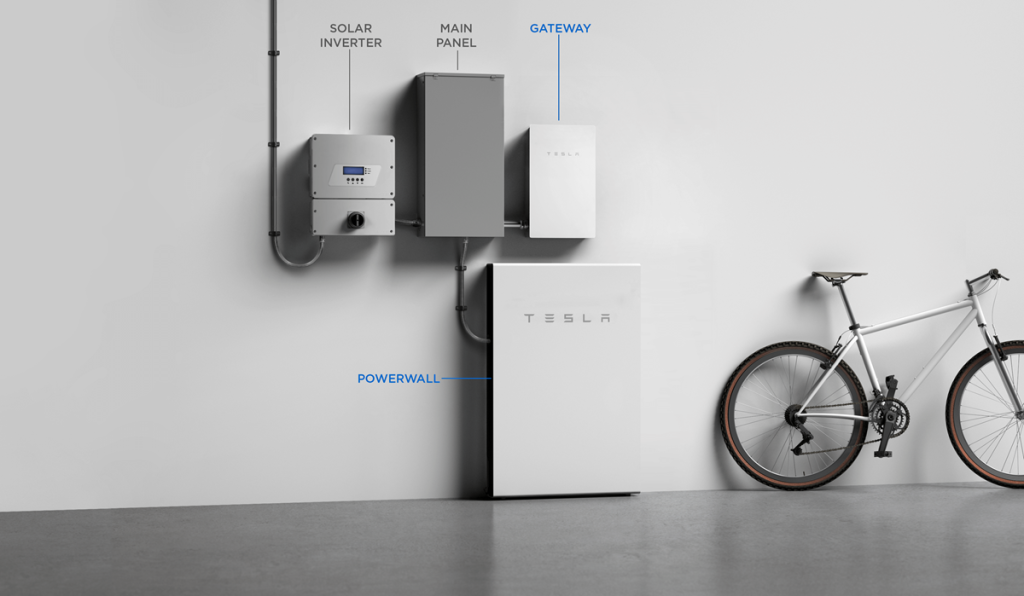
Through partnerships with utilities like CoServ and Guadalupe Valley Electric Cooperative (GVEC), Tesla aggregates Powerwall home batteries into a distributed network that supports the grid during peak demand.
Owners earn compensation, around $10 per battery monthly, for allowing their systems to discharge energy back to the Electric Reliability Council of Texas (ERCOT) grid, helping stabilise supply and reduce reliance on traditional power plants.
Partnership with Octopus Energy
Tesla’s UK entry builds on this model but with local adaptations. In Britain, the company already partners with Octopus Energy for VPP services, where Powerwall owners can sell stored electricity.
With over 250,000 Tesla vehicles sold in the UK, the company sees an opportunity to integrate its energy offerings with its automotive business, potentially bundling solar panels, Powerwalls, and EV charging into a comprehensive ecosystem.
his could challenge incumbents like British Gas and Octopus Energy, especially as Tesla’s energy division reported $1.5 billion in revenue last year, up 93% year-over-year.
Lower appetite for Tesla in the UK
The approval arrives at a pivotal time for Tesla, as EV sales face headwinds.
In the UK, Tesla’s market share sits at 1.34%, with a 37% decline in sales amid broader industry challenges, including competition from Chinese manufacturers and political scrutiny of Musk.
Expanding into energy could diversify revenue streams, much like in Texas, where VPP programs have proven effective in enhancing grid reliability during extreme weather events.