London’s air is now dramatically cleaner – here’s the playbook that made it happen

A new report shows that London, once infamous for its fogs and choking smog, has transformed its skies into a breath of fresh air.
The report was published by Breathe Cities, a global initiative backed by Bloomberg Philanthropies, Clean Air Fund, and C40 Cities, spotlights the capital as a standout success story in the fight against urban air pollution.
It shows that between 2010 and 2024, London slashed levels of fine particulate matter (PM2.5) by around 40% and nitrogen dioxide (NO2) by nearly half, putting it among 19 leading cities worldwide that cut both pollutants by at least 20%.
The report analyses trends across C40 and Breathe Cities networks, highlighting how aligned governance, data-driven decisions, and community action drove these gains.
London’s journey stands out, especially under Mayor Sadiq Khan, who co-founded Breathe Cities in 2023.
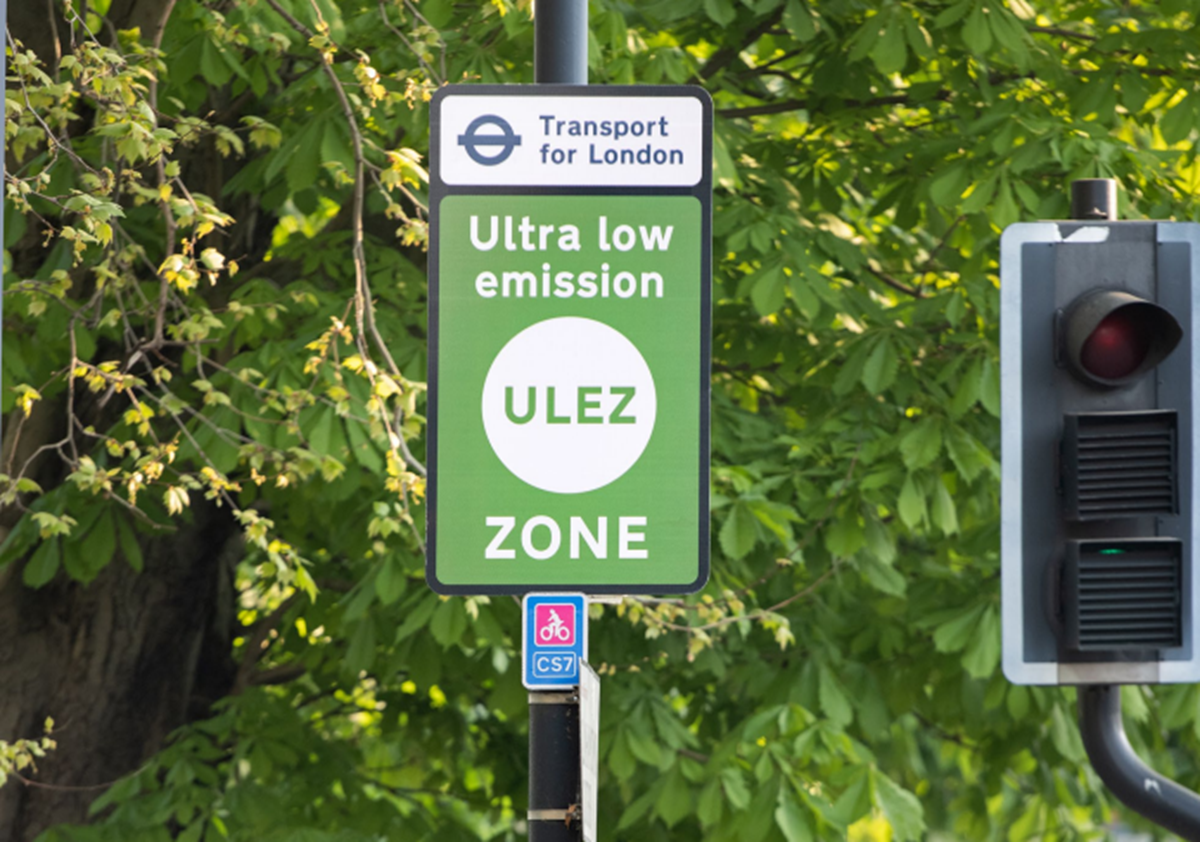
What was projected to take 193 years, meeting legal NO2 limits, happened in just nine, thanks to aggressive policies like the Ultra Low Emission Zone (ULEZ)
The scale of London’s turnaround
Air pollution remains a silent killer, responsible for cardiovascular diseases, respiratory issues, and premature births, with the poorest communities hit hardest.
In cities, where emissions from traffic, industry, and construction converge, the toll is steep. The Breathe Cities report estimates that global air pollution causes millions of premature deaths annually, echoing World Health Organisation warnings.
In London, roadside PM2.5 levels dropped from 12.8 micrograms per cubic meter in 2009 to 7.5 in 2024 – a 41% plunge.
NO2, primarily from vehicle exhaust, fared even better: Average roadside concentrations fell 49% from 2016 to 2023 alone, with outer London seeing a 50% drop from 44 µg/m³ in 2017 to 22 µg/m³ in 2024.
For the first time since UK regulations began in 2010, London’s annual mean NO2 hit legal limits in 2024, with the highest recorded at 36 µg/m³ – well below the 40 µg/m³ threshold.
A 2021 study estimated over 9,000 premature deaths from air pollution in London in 2010; today’s cleaner air could avert thousands more, easing the burden on the NHS and economy.
The playbook: Data, policies, and people
The Breathe Cities report distills success into core elements: robust data systems, integrated policymaking, and public engagement.
London’s implementation offers a practical blueprint, proving that even dense, fast-growing cities can achieve rapid change.
- Harness hyperlocal data for precision action: London’s Breathe London programme, launched as a pilot in 2018 and expanded with £2.8 million in funding in 2025, deploys hundreds of low-cost sensors across the city. This network provides real-time, street-level data on pollutants, empowering residents and officials alike. For instance, sensors at schools revealed that closing roads during drop-off times cut NO2 by up to 23%. The report praises this approach, noting similar data-driven strategies in cities like Paris and Warsaw helped prioritize hotspots and track progress.
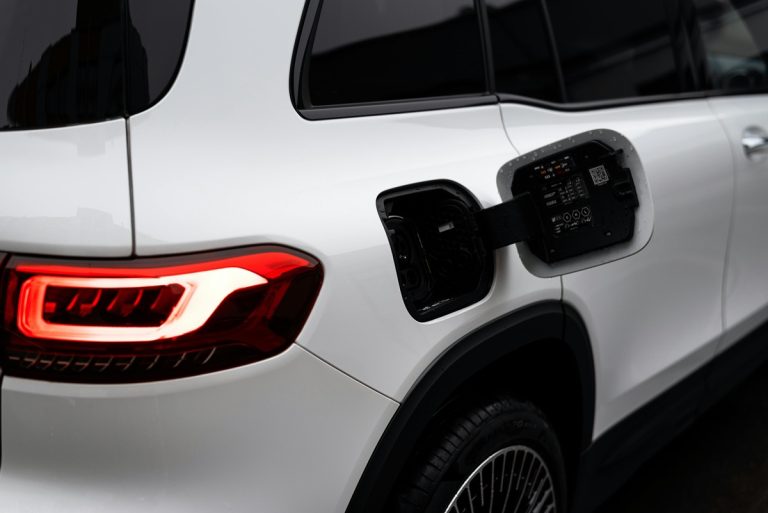
- Implement bold, multi-layered policies: The cornerstone policy, ULEZ, was introduced in central London in 2019 and expanded citywide in 2023. Drivers of high-emission vehicles pay a daily fee, spurring a shift: 97% of vehicles in London are now compliant, up from 39%. This alone slashed NOX emissions in outer London by 14% in 2024 and reduced roadside NO2 by 27% citywide compared to a no-ULEZ scenario. Complementing ULEZ are fleet transformations, an expanded EV charging network, and stricter rules for construction machinery.
- Engage communities for lasting change: London raised awareness through campaigns and tools like the Breathe London app, letting residents check local air quality and advocate for improvements. Initiatives like “school streets” restrict traffic near schools, directly benefiting vulnerable groups. The report notes that in Warsaw and Paris, community involvement amplified policy impacts, fostering equity and sustained momentum.
London’s next steps
London’s playbook shows that rapid progress isn’t limited to wealthy nations; nearly half the report’s leading cities are in Asia, like Jakarta and Bangkok, which are now adopting similar tactics.
Yet challenges remain. London still exceeds WHO’s stricter guidelines (10 µg/m³ for NO2, 5 µg/m³ for PM2.5), and one site hit above England’s 2040 PM2.5 target in 2024.
Khan vows to push further, but experts warn that national support, on issues like wood-burning stoves and aviation, is crucial.