Reform wants to ban Pakistani visas to the UK. Labour just made them easier to apply for

The contrasting approaches to UK travel and immigration policy from Reform UK and the current Labour government have been thrown into sharp relief this week, particularly regarding visas for Pakistani nationals.
On Monday (23 February) Reform UK’s home affairs spokesperson Zia Yusuf unveiled a hardline immigration package during a speech in Dover. The party pledged to impose an immediate visa freeze on several countries, including Pakistan, Afghanistan, Syria, Eritrea, Sudan, and Somalia, if they continue to refuse to accept back their nationals who are subject to deportation from the UK.
This measure targets nations accused of non-cooperation on removals, with Pakistan highlighted due to what Reform describes as high overstay rates and refusals to repatriate individuals, including in cases related to criminal deportations such as grooming gang members.
Reform’s broader proposals go further:
- Ending indefinite leave to remain (ILR) and replacing it with time-limited five-year work visas requiring salary thresholds and regular renewals;
- Establishing a “UK Deportation Command” to facilitate mass removals (targeting up to 288,000 annually via dedicated flights); aiming for net-negative migration;
- Exiting the European Convention on Human Rights (ECHR) to remove legal barriers to deportations.
Yusuf framed the policies as essential to restoring sovereignty, securing borders, and protecting British culture amid what he called a ‘shattered social contract’.
New rules to make it easier for Pakistani nationals to travel
Just two days later, on Wednesday (25 February), the Labour government announced a digital modernisation to make visa applications easier for Pakistani visitors.
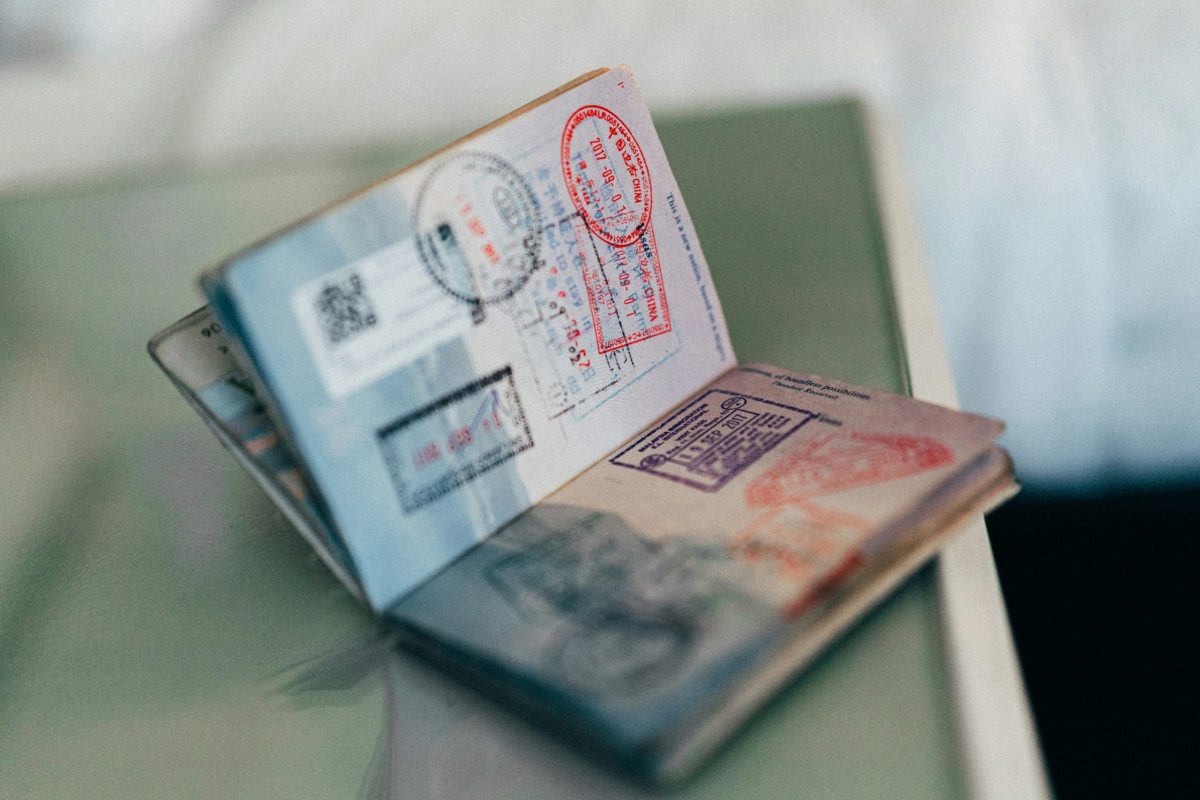
Effective immediately, Pakistani nationals applying for visitor visas (including for tourism, family visits, or business) can now use eVisas instead of physical biometric stickers in their passports.
Under the new system, applicants submit online and provide biometrics at a visa application centre, but successful applicants receive their visa confirmation by email and access a digital immigration status record through a UK Visas and Immigration (UKVI) account.
This allows them to retain their passports after biometrics (no need for a second collection visit), reduces risks of lost or damaged documents, and enables generation of a share code to prove status at borders or to employers/landlords.
The Home Office emphasised that the change does not alter visa processing times, eligibility criteria, or conditions—only the delivery format.
British High Commissioner to Pakistan Jane Marriott CMG OBE described it as ‘a hugely exciting step’ that ‘removes a big step from the application process’, saving time and simplifying status demonstration for Pakistanis visiting the UK.
A difference in priorities
The announcements highlight a stark political divide ahead of future elections.
Reform UK positions its freeze proposal as a punitive tool to enforce deportation cooperation and curb migration from specific high-risk countries, while the government’s eVisa rollout reflects ongoing efforts to digitise and streamline legal entry routes, part of a broader transition to digital immigration status that has already applied to other visa types.
Pakistan remains one of the UK’s significant visa source countries, with large diaspora communities and flows for family, education, and tourism.
Reform’s targeted freeze could, if implemented, severely restrict new issuances from Pakistan (and the other named nations) absent policy shifts in those countries, potentially affecting students, workers, and visitors. Labour’s digital upgrade, by contrast, aims to facilitate legitimate travel without changing underlying rules.