Wetherspoon’s boss warns minimum wage is ‘lowering standards of living’ in the UK
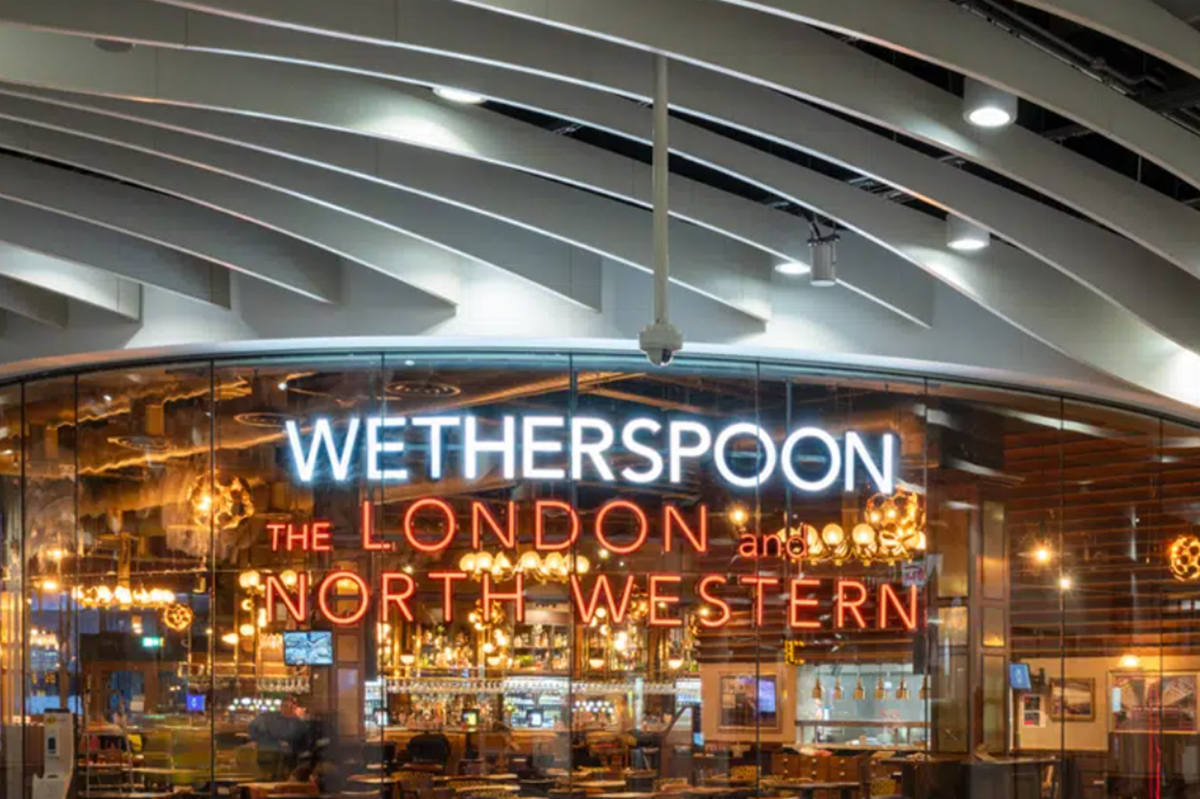

The UK’s minimum wage, once hailed as a vital protection against exploitation, is now under fire from business leaders who argue it’s dragging down living standards and squeezing job opportunities -especially for the young.
Sir Tim Martin, the outspoken Founder and Chairman of JD Wetherspoon, the budget pub chain known for its no-frills pints and affordable meals, has become the latest high-profile voice to challenge the rapid escalation of the national minimum wage.
Speaking to the Telegraph, Martin warned that successive hikes, under both Conservative and Labour governments, have transformed what was meant to be a “safety net” into a political bidding war that ultimately harms workers.
“The minimum wage seems to be lowering the standards of living by reducing investment and job vacancies and by increasing pay for new starters at the expense of experienced staff,” Martin said. “It was supposed to be a safety net but it’s turned into a competition between political parties as to who will offer the biggest rise.”
A cooling job market
Martin’s critique lands amid a cooling UK jobs market. The headline unemployment rate has climbed to 5.2%, its highest in five years, while youth unemployment (ages 16-24) has surged to 16.1% in the three months to December 2025, the highest level in over a decade.
Chancellor Rachel Reeves recently pushed through an increase effective April 2026, setting the National Living Wage (for workers aged 21 and over) at £12.71 per hour – a 4.1% rise from the previous £12.21. For 18- to 20-year-olds, the rate jumps 8.5% to £10.85 per hour. Just a decade ago, the base adult rate hovered around £7.20.
These inflation-busting increases have driven up hiring costs for employers, particularly in labour-intensive sectors such as hospitality, retail, and pubs. Official data shows that payrolled employee numbers fell by 124,000 in the 12 months to January, with heavy losses in retail and hospitality.
The government introduced the minimum wage in 1999 to eradicate low pay, and it has lifted millions out of poverty. Yet critics argue the aggressive recent trajectory, coupled with Labour’s pledge to phase out youth rates, has unintended consequences: fewer entry-level jobs, compressed wage differentials (where new hires earn close to what experienced staff do), and reduced investment in staffing.