UK inflation drops to 3%, but don’t celebrate yet – you’re still paying more for almost everything that matters

The UK’s inflation rate dropped to 3% in the year to January 2026, new figures published by the Office for National Statistics (ONS) published on Wednesday (18 February) show.
This marks a welcome slowdown from December’s 3.4%, bringing headline Consumer Prices Index (CPI) inflation to its lowest level since March 2025 and aligning with economists’ expectations.
The dip was driven mainly by cheaper petrol, falling air fares, and easing food prices. Transport costs rose by just 2.7% annually (down from 4%), with petrol prices dropping 3.1p per litre month-on-month.
Food and non-alcoholic beverages inflation cooled to 3.6% from 4.5%, while air fares saw a sharper seasonal decline than the previous January. Housing and household services also eased slightly to 4.2% annually.
Even core measures, which strip out volatile items like energy, food, alcohol and tobacco, showed moderation, with core CPI at 3.1% (down from 3.2%) and services inflation dipping to 4.4% from 4.5%. These underlying trends suggest price pressures are gradually unwinding.

Cost of essentials continue to climb
While the lower inflation rate will be welcomed by many, prices are still climbing across most essentials.Households continue to face higher costs for electricity (up 5.3% annually following the latest Ofgem price cap adjustment), rent, mortgages, eating out, and many everyday goods.
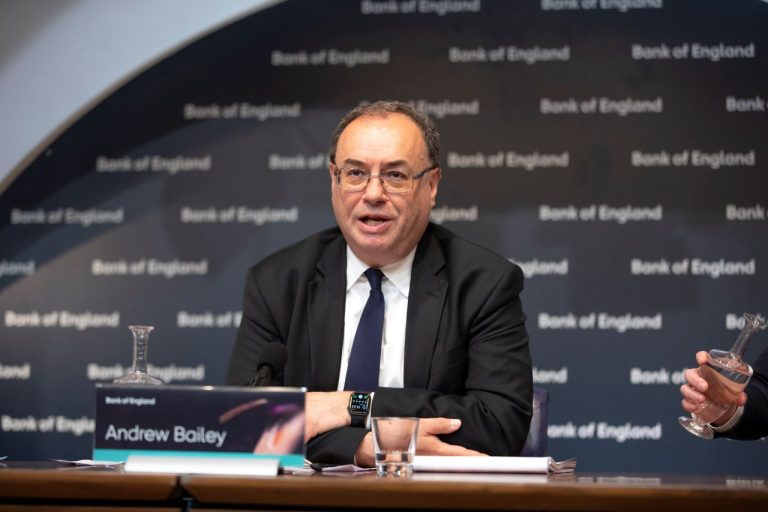
While the headline figure has retreated, it remains well above the Bank of England’s 2% target, and sticky services inflation highlights persistent domestic pressures.
The Bank of England will also be keeping an eye on the progress – core inflation is at multi-year lows – but policymakers are unlikely to declare victory yet.
Markets are pricing in a potential interest rate cut as early as March, which could ease borrowing costs for millions. For now, though, the cost-of-living squeeze lingers: the average shopping basket, tank of fuel, and utility bill are all noticeably more expensive than they were a year or two ago.