Here’s how much money athletes at the 2026 Winter Olympics get for winning medals – and why Team GB will receive nothing

As the Winter Olympics heat up in the Italian Alps, podium finishes are delivering more than just glory for many athletes; they’re also triggering hefty cash bonuses from their home nations.
While the International Olympic Committee awards only medals, dozens of countries step in with generous incentives to reward success.
Topping the global leaderboard is Singapore, which offers S$1,000,000 (£581,000) for an individual gold medal, S$500,000 (£290,000) for silver, and S$250,000 (£145,000) for bronze under its Major Games Award Programme.
The Southeast Asian nation, competing with a small delegation including alpine skier Faiz Basha, has no Winter Olympic medals in its history yet, but if one arrives, the payout would be among the richest ever seen at the Games.
Close behind is Hong Kong, which is offering HK$6,000,000 (£563,000) for gold, HK$3,000,000 (£281,000) for silver, and HK$1,500,000 (£141,000) for bronze. The region, fielding athletes in alpine skiing and short-track speed skating, is chasing its first-ever Winter medal.
Host nation Italy isn’t far off the pace, providing €180,000 (£157,000) for gold, €90,000 (£78,000) for silver, and €60,000 (£52,000) for bronze per athlete – even in team events, where bonuses aren’t prorated. With early golds already secured, Italian medalists are cashing in during their home Games.
Other standout payouts include:
- Poland at around PLN 1,020,000 (£155,000–£240,000+) cash equivalent for gold (including PLN 500,000 cash + PLN 250,000 in tokens/cryptocurrency from the Olympic committee, plus government additions and extras like a Toyota Corolla, furnished apartment, painting, holiday voucher, and jewelry).
- South Korea at KRW 300,000,000 (£152,000) for gold (with KRW 200,000,000 for silver and KRW 100,000,000 for bronze, plus perks like Omega watches in some cases).
- Slovenia at around €70,000+ (£119,000 equivalent reported in aggregates) for gold. In total, at least 37 of the 92 competing delegations offer some form of cash reward, with averages across surveyed nations hovering around £91,000 for gold.
On the other end of the spectrum, the United States provides a more modest $37,500 (£27,500) for gold, $22,500 (£16,500) for silver, and $15,000 (£11,000) for bronze through the USOPC’s Operation Gold program – consistent since previous Games and paid regardless of individual or team format.
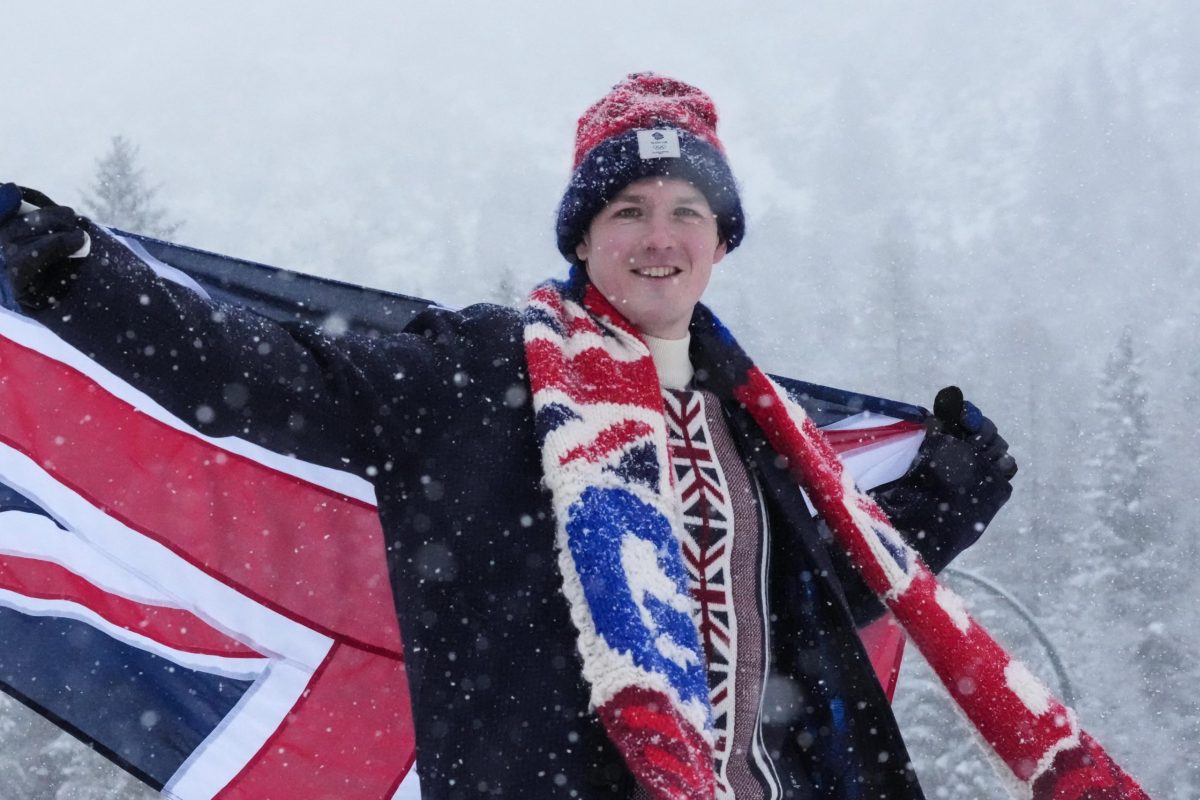
What about Team GB?
British athletes receive nothing in performance-based cash bonuses for winning medals at the 2026 Winter Olympics or the Summer Olympics.
Unlike many rivals, the United Kingdom’s approach focuses on upfront investment rather than post-medal windfalls.
Funding comes via UK Sport (largely from National Lottery proceeds), supporting elite training, coaching, facilities, and living costs through the Athlete Performance Award (APA), a tiered stipend based on potential and performance trajectory, not specific results.
Eligible athletes may receive an annual amount around £27,800 to cover expenses.
This ‘no bonus’ policy is shared with nations like Norway and Sweden, which prioritise long-term development over one-off rewards.
Some Team GB competitors also benefit from the IOC’s Athlete365 Solidarity programme, with six British athletes receiving additional support during these Games.