The UK government just funded an app that lets you compete on the school run
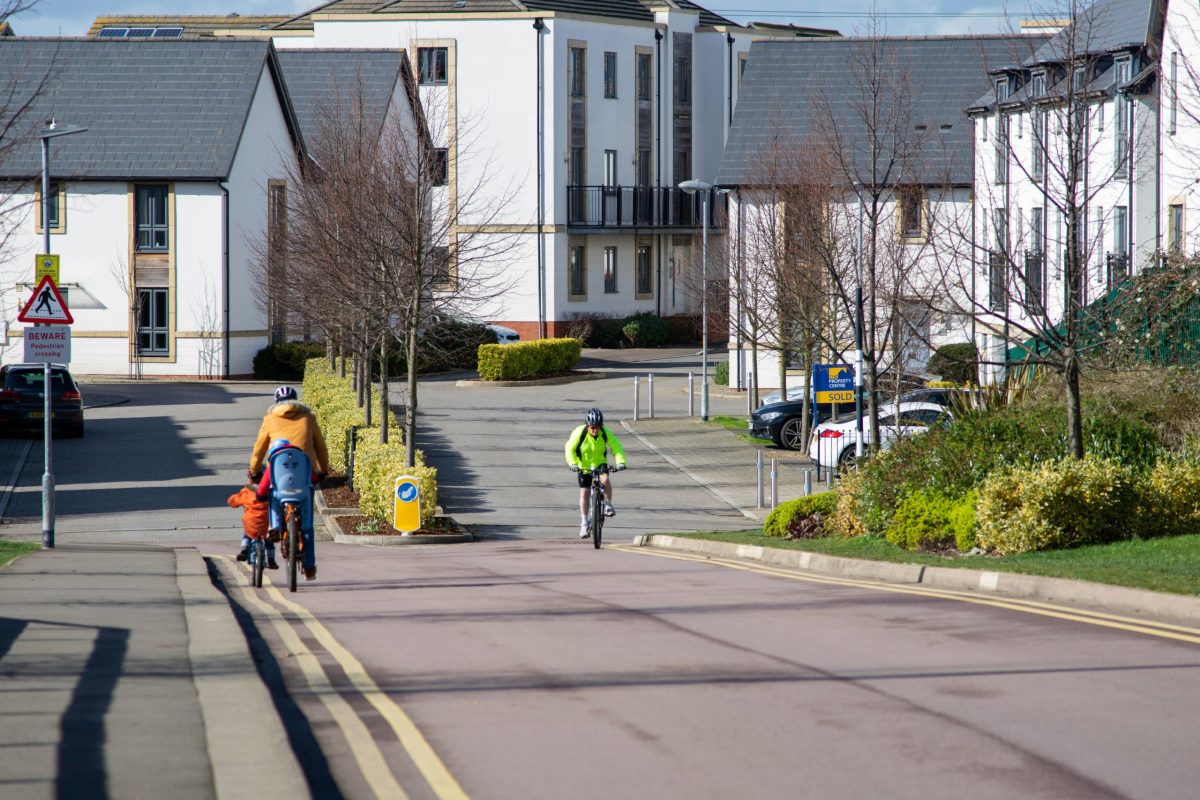

The government is injecting fresh cash into innovative projects designed to get more Britons walking, wheeling and cycling, with one standout initiative turning the daily school run into a competitive, gamified experience.
Active Travel England (ATE) has awarded grants from its £1 million Innovation Fund to 12 projects across England. Each successful bid, submitted by small and medium-sized enterprises (SMEs) and non-governmental organisations, will receive up to £100,000 to test and scale ideas that make active travel more appealing and accessible.
The fund, launched last October, aims to back creative solutions that deliver healthier streets, cut carbon emissions and support the government’s broader goals around public health and local economic growth.
Turning everyday journeys into games and community wins
Among the winners is Go Jauntly, an award-winning walking app that will use the funding to launch a city-versus-city gamified campaign in Birmingham and Liverpool.
The initiative specifically targets women and families, encouraging more active journeys, including the school run through friendly competition, challenges and rewards.
Go Jauntly CEO Hana Sutch said the project addresses a key gap. “Walking and wheeling should feel accessible, safe and joyful for everyone, especially women and families who are often overlooked. Thanks to Active Travel England funding, we are expanding our behaviour change programmes to meet people in their own neighbourhoods.”
Other funded schemes include:
- Walk Ride Greater Manchester, which will scale up “walking and cycling buses” to help hundreds of primary school children travel to school actively and safely. Director Harry Gray called it a foundational step: “Every child across Greater Manchester should have access to a safe, active travel route to school.”
- PedalUK’s Our Bike e-cargo bike-sharing pilot in Brighton and Hove, bringing community-led cargo bikes to families and small businesses for carrying children, goods or equipment. General Manager Emma Hughes highlighted how the scheme tackles real barriers to cycling outside London.
- Mobility Mapper in Bristol, developing a digital mapping app that helps wheelchair users and others who “wheel” plan safer, more confident journeys by crowdsourcing actual usable routes. Founder Sonya Ridden said the funding will create “a wheelable network built from real journeys.”
Economic and health dividends
Active Travel Commissioner Chris Boardman emphasised the experimental nature of the fund.
“These projects are about testing fresh ideas in the real world and finding out what works.
“By backing smaller, innovative organisations across the country, we are tapping into more imaginations, reaching people in the heart of the community and building a strong evidence base that will further improve everyday journeys for people who walk, wheel and cycle now and in the future.”
Local Transport Minister Lilian Greenwood added: “We’re backing bold, community-led ideas that get more people walking, wheeling and cycling. These projects show how innovation and entrepreneurship can deliver healthier journeys, safer streets and real benefits for communities.”
The Innovation Fund sits alongside a much larger £626 million investment for local authorities up to 2030. That funding is expected to deliver 500 miles of new walking and cycling routes and generate an additional 170,000 active trips per day, moves the government says will boost local businesses, support high streets and ease pressure on the NHS by improving public health.
By focusing on under-represented groups and practical, inclusive solutions, the projects aim to shift more short journeys away from cars and onto active modes, delivering both environmental gains and economic upsides for towns and cities.
The successful bids demonstrate how relatively small investments in SMEs and community organisations can unlock bigger behavioural changes, and potentially bigger returns, for the UK economy.
As the pilots deliver results over the coming months, councils and businesses nationwide will be watching closely for scalable models worth replicating.