Dual passport headache for UK nationals

From 25 February 2026, the Home Office will fully enforce the Electronic Travel Authorisation (ETA) scheme, requiring most non-British and non-Irish travellers to obtain digital pre-approval before entering the UK.
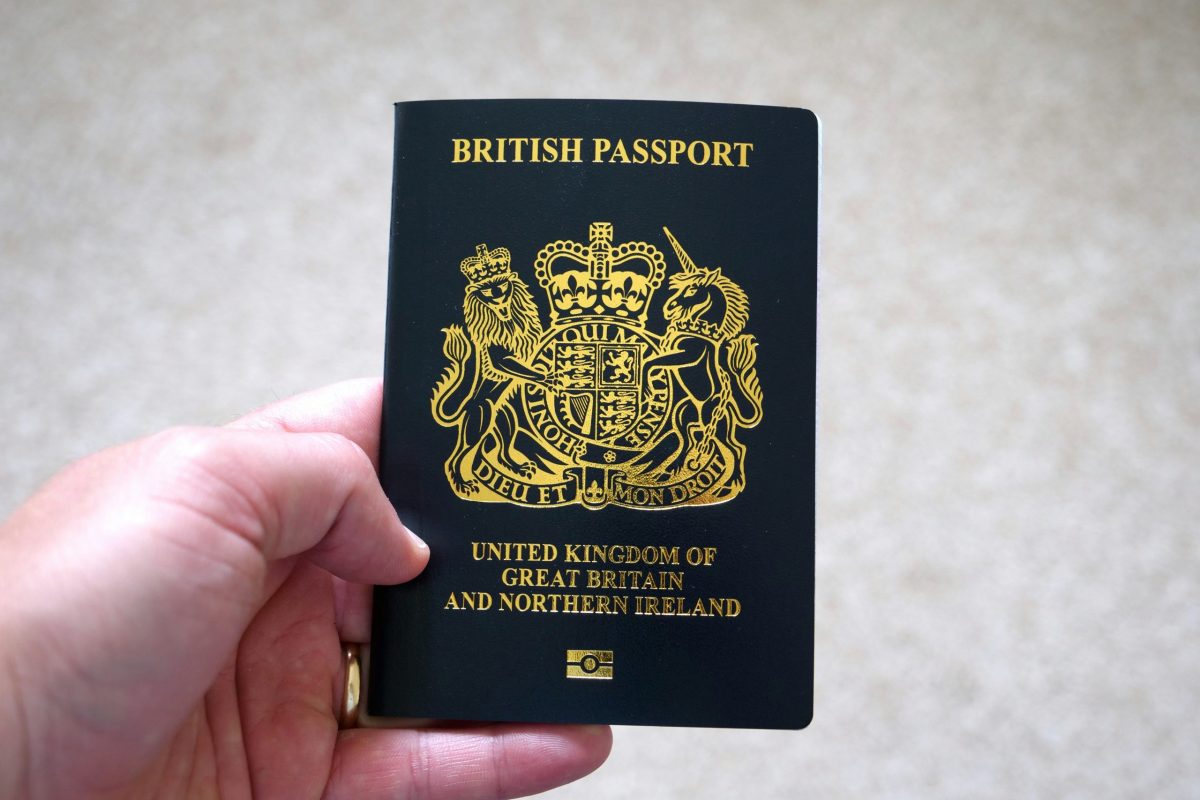
While British and Irish citizens are exempt from needing an ETA, dual nationals must present a valid British passport (or Irish passport) or a Certificate of Entitlement to the Right of Abode when travelling to the UK.
The change, part of a broader digitisation of border controls aimed at enhancing security and providing a seamless travel experience, means dual citizens can no longer rely solely on a foreign passport, even if it is from a non-visa national country, to board flights, ferries, or trains to the UK.
Without the correct documentation, carriers may deny boarding, and individuals risk being unable to enter the country without additional identity verification at the border.
However, the policy has sparked frustration among affected Britons, many of whom live overseas and hold second nationalities, often acquired post-Brexit for easier EU travel and residency. The Certificate of Entitlement, which can be attached to a foreign passport, costs £589 – a sum critics describe as punitive and prohibitive, especially for families or those needing urgent travel.
The number of multiple passport holders in England and Wales has doubled over the past decade, underscoring the scale of the issue. The policy does not alter dual citizenship rights themselves, Britain continues to permit dual nationality, but it tightens the proof required at the border.

Until 24 February 2026, those with a valid passport from an ETA-eligible nationality may still travel using it without issue, but full enforcement begins the following day.
As the deadline approaches, expat communities and travel advisors are warning of potential disruptions, particularly for those who rarely use their British passport or whose children hold dual status without ever having obtained one.
The Home Office maintains the measures support stronger borders in a digital age, but for many dual nationals, the headache is only just beginning.