Londoners are staying put as moves to the countryside hit a 10-year low


The rate of London outmigration has slowed to its lowest level in more than a decade, but the bigger change is how far people are moving, new data from property firm Hamptons shows.
After years of long-distance relocations driven by the search for space and value, 2025 marks a shift. The Home Counties have regained ground, and regional patterns show more London leavers are staying close to the capital.
The group’s analysis shows that in 2025, Londoners purchased 5.6% of homes sold outside the capital, down from 5.7% in 2024 and far below the 8.2% recorded in 2022 at the height of the pandemic when buyers moved for space.
While the share has fallen, the number of homes bought outside the capital by a Londoner rose slightly year-on-year to 57,660, reflecting higher overall transaction volumes. Even so, London outmigration levels remain significantly below the 2021 peak of 103,310 and notably lower than the 2015–2019 pre-Covid average of around 70,000 per year.
What’s changed is how far people are willing to go. The average mover traded a London home for one 71.6 miles away, 10 miles less than last year and back to 2021 levels.

First-time buyers moved 52.3 miles on average, down from 54.8 miles in 2023 when mortgage rates peaked. In total, 54% of London leavers stayed within 50 miles of the capital, up from 47% in 2024, reinforcing a clear pattern of staying closer as financial conditions improve.
Return of the Commuter Belt
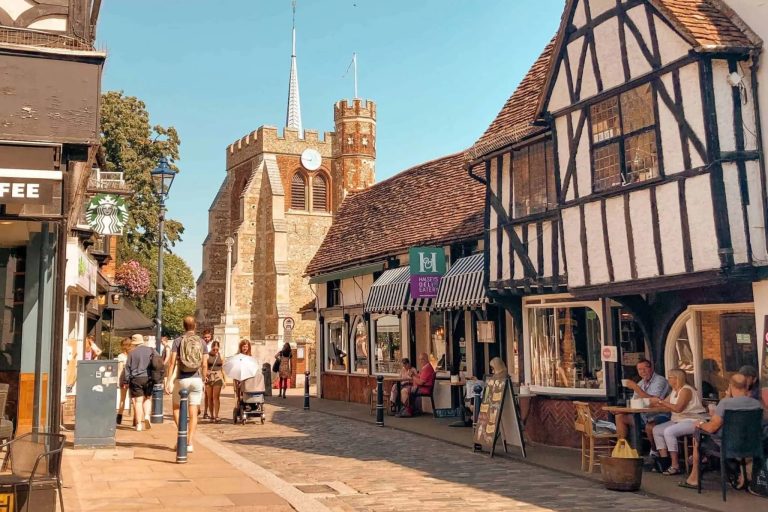
The shift toward shorter moves has put the spotlight back on the traditional commuter belt, where demand from London buyers is climbing again. After several years of being overlooked in favour of more affordable areas further afield, the traditional commuter belt is back on the map.
In 2025, 18.2% of homes sold in the Home Counties were bought by a Londoner, the highest share since 2017. The figure is up from 15.4% in 2024 and more than 7 percentage points higher than the pandemic low of 11.1% in 2022, when buyers moved further into the South West, Midlands and North in search of space and value.
Today, improved affordability – driven by falling mortgage rates and less stringent affordability tests – means more households can stay closer to the capital. The return to office-based working has reinforced this shift, making locations such as Surrey, Hertfordshire and Buckinghamshire attractive for those seeking a balance of lifestyle and connectivity, Hamptons said.