New underwater robot set to protect the UK’s Internet and energy pipelines
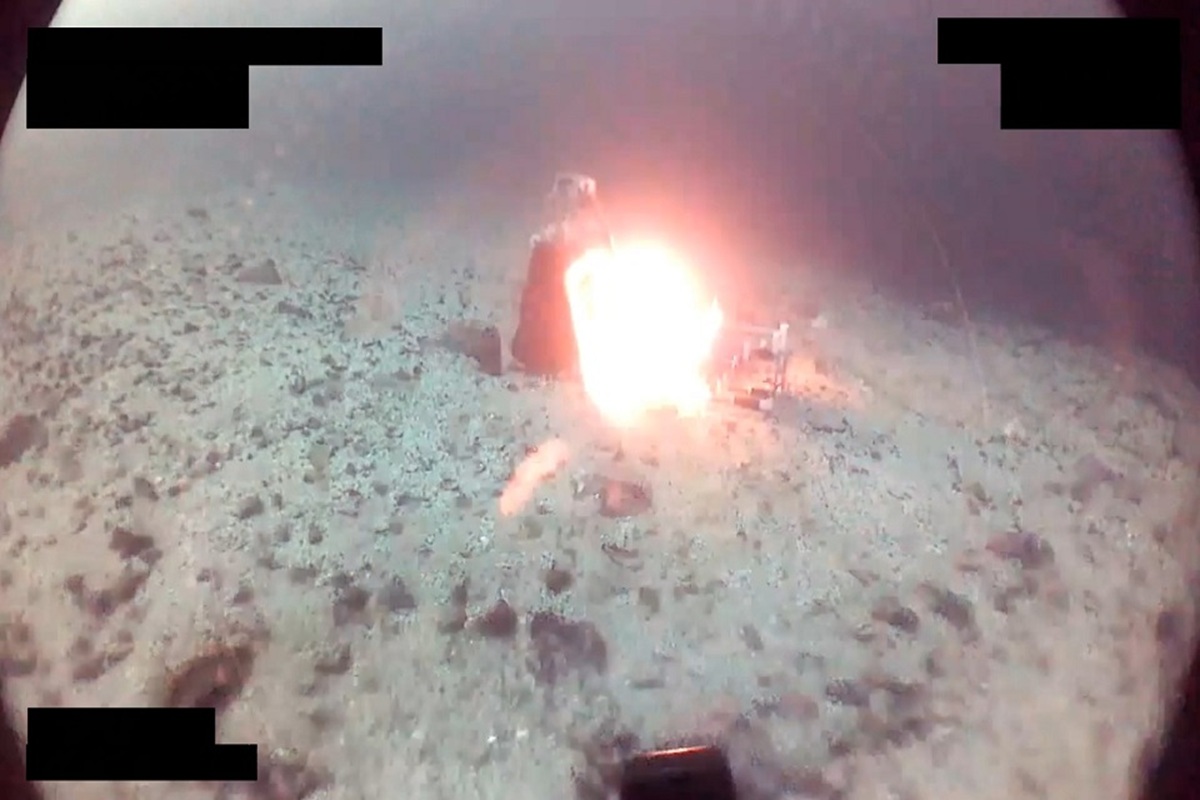

The Defence Science and Technology Laboratory (DSTL) has trialled an underwater robot which can prevent adversaries from sabotaging undersea cables and pipelines by disarming or removing threats.
The trial is based on a commercially available remotely operated vehicle (ROV) which has been adapted by the DSTL and industry partners to deal with sabotage threats and clear legacy unexploded ordnance. These present hazards to both vessels and divers deployed to deal with them.
The lab has incorporated or developed a number of systems to enable the ROV to detect unexploded ordnance and remotely place explosive charges to enable safe neutralisation.
The new technology and systems developed will work in partnership with other robots to scan the seabed for hazards and will be able to deal with them once one is spotted.
“This technology would be a valuable toolset for keeping our Armed Forces safe whilst providing the public with value for money,” said John, an Explosives Engineer at the DSTL.
“This unique capability with its sensors, tools and cameras will give operators a real-time ability to deal with these underwater hazards in a safe, effective and efficient way,” he said.
The robot can operate at depths greater than divers can reach, and it can also work there safely for much longer.
The robot can be launched from a ship or a shoreline and is operated remotely, feeding video and sonar images back to the operators. They will then be able to remotely deal with underwater hazards in relative safety.
The robot is not normally destroyed, which means it can be used multiple times, giving the public better value for money in addition to the economic benefits of partnering with industry. This project supports numerous specialist jobs in industry.