UK facing shortage of key doctors
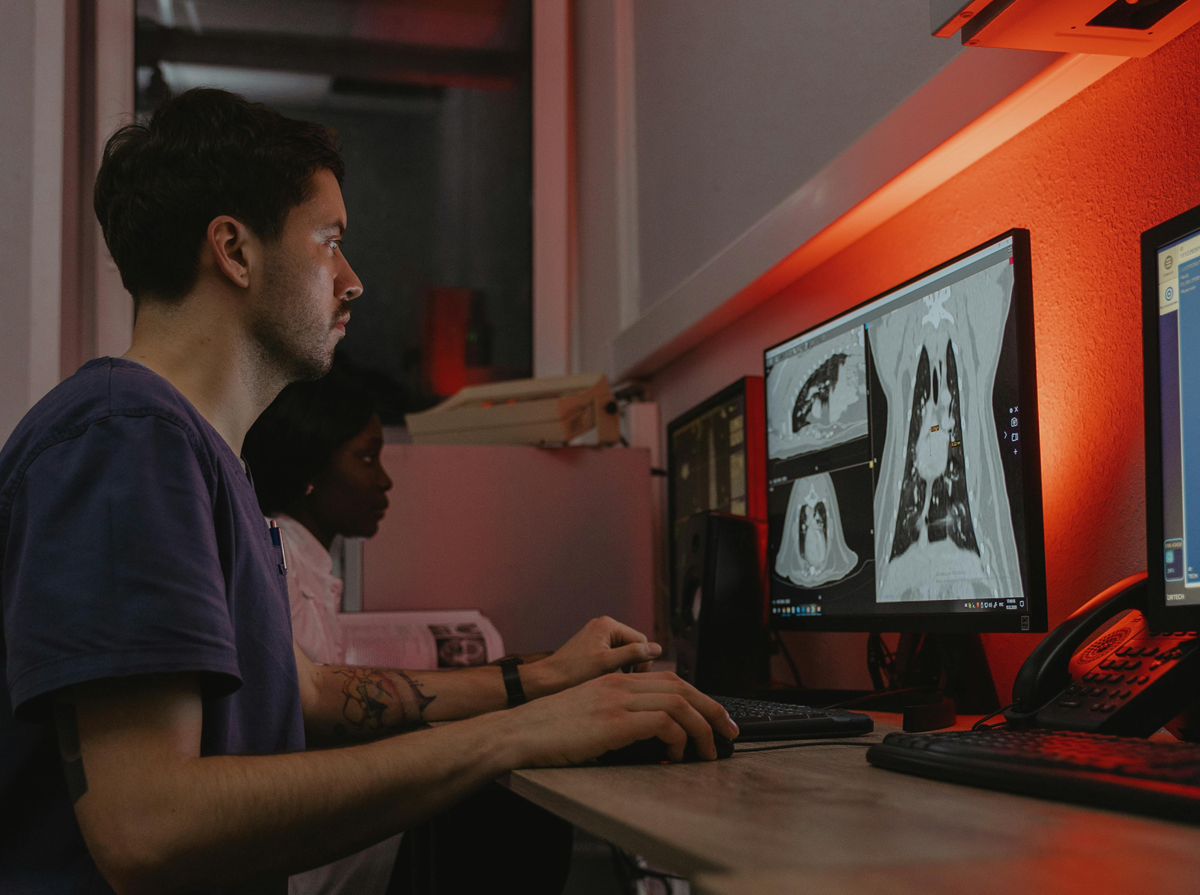

The NHS continues to struggle with training, recruiting, and retaining enough radiologists and oncologists, the Royal College of Radiologists has warned.
The shortfalls in both workforces now stand at 29% and 15%, respectively. These are each set to rise to 39% and 19% by 2029, should no action be taken, the group said.
It added that the deficits are the product of chronic under-investment in staff, which coincides with spiking demand for expertise. This means that problems with recruitment and retention are a major risk for patient safety moving forward.
Indeed, 9 in 10 cancer centre Heads of Service said patients are experiencing delays to begin radiotherapy or SACT due to staffing shortages. If nothing is done, delays to patients will only worsen, the group said.
“Expanding the radiology and oncology workforces is essential and non-negotiable,” the Royal College of Radiologists said. “The message of the census is clear: we need more staff. But it is also true that, given demand trends and the financial and practical constraints facing the NHS, we are unlikely to train enough people to plug the workforce shortfall.
“So, we must focus not only on workforce growth but on making the best use of the expertise of our consultant radiologists and oncologists. This includes looking carefully at the way we spend our time at work and understanding where we add most value. For instance, are multidisciplinary team meetings the most productive way to ensure good outcomes for patients? Should we spend as much time of them as we do?”
The group is also exploring whether adopting new technologies and ways of working, such as artificial intelligence tools (AI), will help plug the gap.
“These could augment our capacity to deliver care and free up time to do what we do best: directing patients’ care and making tough clinical decisions. But we also need to acknowledge that digital tools do not necessarily always save us time, as this year’s data on the use of AI in radiology shows,” it said.
“Deployments need to be backed by proper investment – both financial and in terms of staff time. It’s also important to note that the productivity gains provided by digital solutions may ameliorate the effects of workforce shortages for patients and staff, but they will not resolve them altogether.”