UK conducts largest ever AI defence trial

Sailors and air crews are set to benefit from new artificial intelligence (AI) capabilities following the UK’s largest ever multi-domain AI trial, bringing together land, sea and air equipment.
The Ministry of Defence said that the trial will provide valuable data to develop and validate AI algorithms. It also strengthens the UK’s position as a leader in defence innovation, it said.
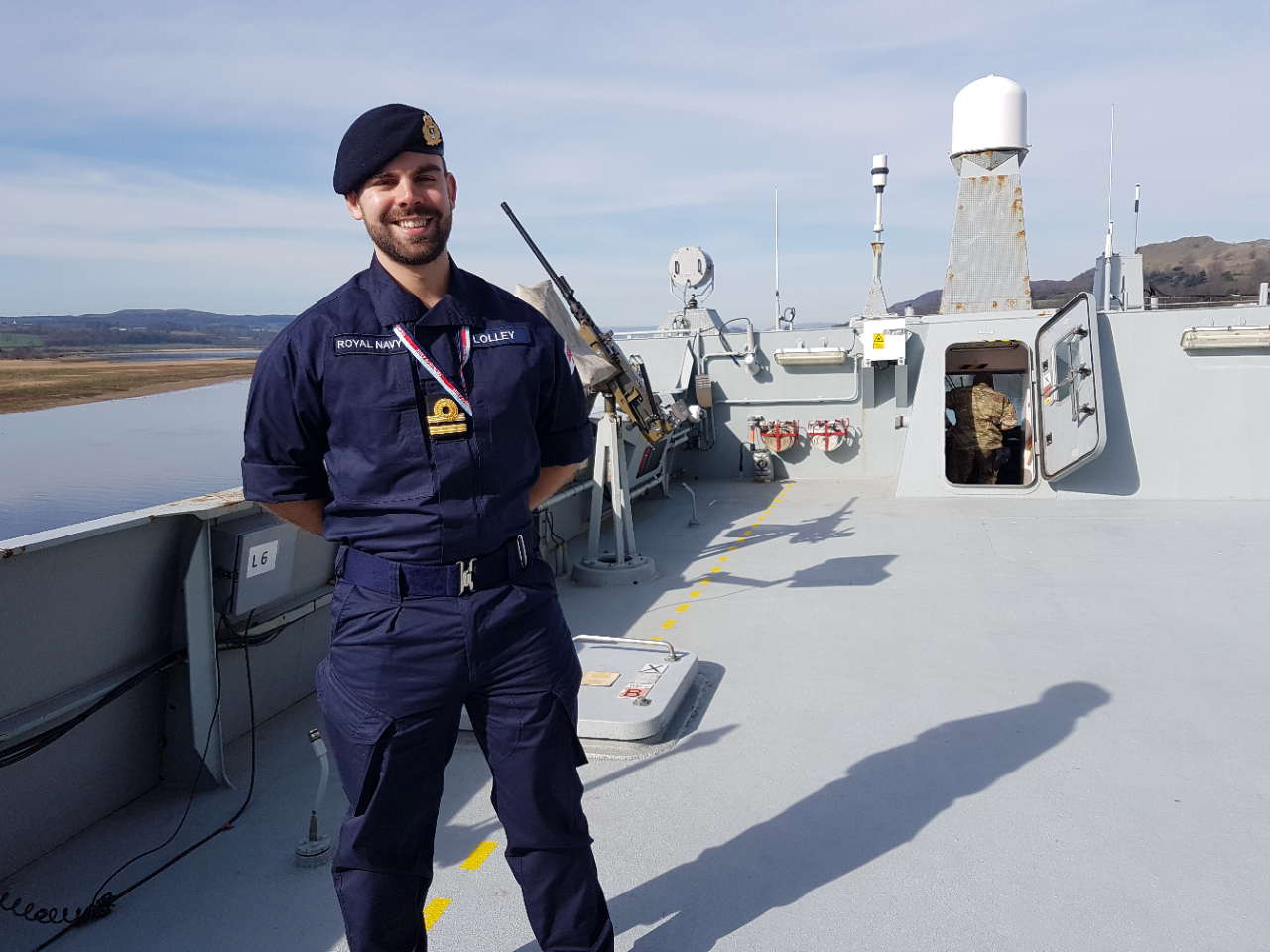
For the Royal Navy, AI technologies developed through these trials will enhance maritime surveillance, improve threat detection in complex sea environments, while enabling faster decision-making during naval operations.
The Royal Air Force (RAF) will benefit from advanced target recognition systems that can process information from multiple airborne sensors simultaneously, reducing pilot cognitive load and enabling more effective air operations in challenging conditions.
Building on previous trials – known as WINTERMUTE – this third iteration involved around 200 scientists from the Defence Science Technology Laboratory (DSTL), military personnel from the Royal Navy and RAF, industry representatives and international partners collaborating at Portland Harbour to develop critical AI systems for automatic target detection and recognition.
Over a five-day period, visual infrared and band radar data was recorded from Royal Navy vessels, ground vehicles, and both manned and unmanned aircraft, operating in mission-based scenarios.
“This innovative trial represents a significant advancement in how we develop and test defence technologies. By bringing together multiple domains and partners, we’re not just collecting data – we’re creating the foundation for mission success and operational advantage that will protect our forces for decades to come,” said Dr Paul Hollinshead (Chief Executive of the Defence Science and Technology Laboratory).
“The use of these AI systems is designed to support, not replace, human decision-making in defence operations. The technology aims to reduce cognitive burden on military personnel by filtering information and providing clearer battlefield intelligence,” he said.