AI data centres are making Raspberry Pi computers more expensive

Key Points
- Raspberry Pi's average direct board price rose 51% to $56.00
- AI data centre demand is diverting memory production and raising costs
- Memory stock cost rose from $3.60 to $13.30 per GB in six months
- Pi 4 and Pi 5 sales still grew, with 2.6 million units on back order
- New memory supply is not expected until 2028
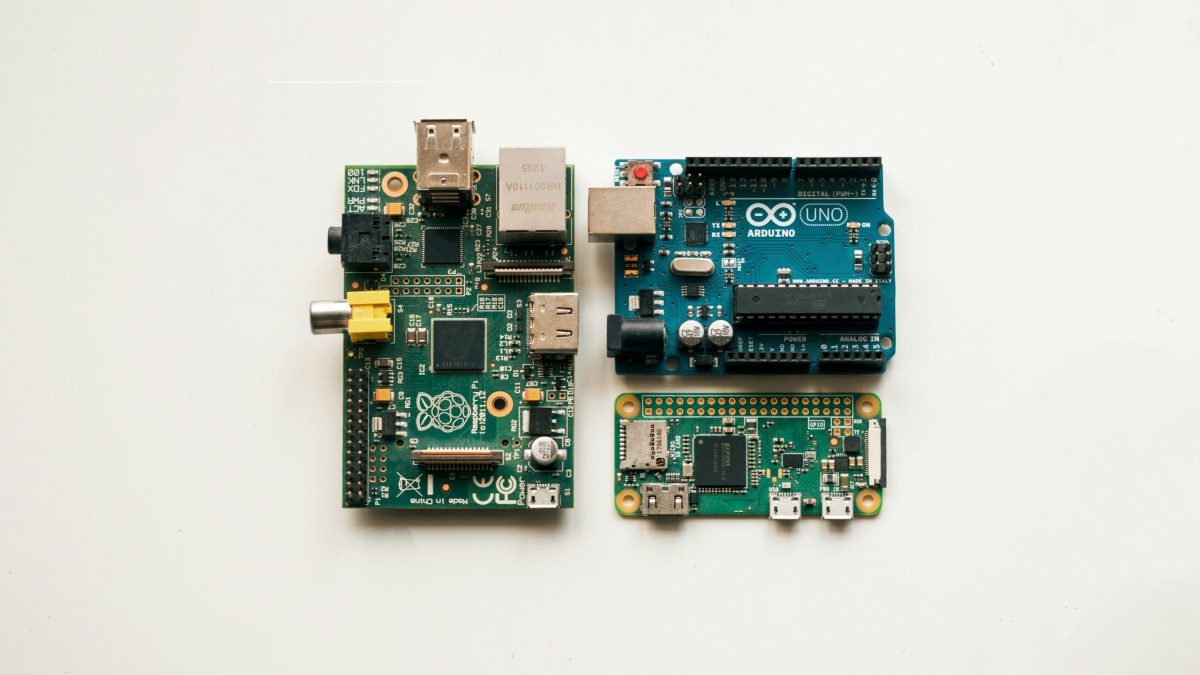
Raspberry Pi has raised its board prices by around 51% as AI data centres push up the cost of memory chips.
The Cambridge-based computer maker disclosed the increases in its half-year results, published on 24 September.
Raspberry Pi said memory manufacturers were diverting production capacity to meet the surge in AI data centre investment, which has driven up memory costs across the industry.
The company raised prices on the Raspberry Pi 4, Raspberry Pi 5 and its Compute Modules to cover the higher cost of the memory chips inside them.
The average price of a board sold directly by Raspberry Pi rose 51% to $56.00 in the six months to 30 June, up from $37.10 a year earlier. The company said a higher share of sales for its pricier Pi 4, Pi 5 and Compute Module boards also contributed to the rise.
The average cost of the memory Raspberry Pi holds in stock jumped from $3.60 per GB at the end of 2025 to $13.30 per GB at the end of June.
Raspberry Pi bought large amounts of cheaper memory in 2025, which allowed it to keep boards on shelves while rivals struggled to find supply.
“The decision in FY 2025 to build significant strategic memory inventory has allowed us to maintain product availability at a time when smaller competitors have struggled to secure allocation,” said Eben Upton, CEO of Raspberry Pi.
That cheaper stock has now largely run out, and Raspberry Pi said its memory costs now roughly match market prices.
The company launched a new 3GB version of the Raspberry Pi 4 during the period to give customers a middle option as memory prices climb.
Higher prices have not slowed buyers down, with direct sales of the Pi 4 rising 69% and the Pi 5 rising 47%. Raspberry Pi said demand for its 8GB models kept growing despite the significant price increases.
Customers had 2.6 million Raspberry Pi units on back order at the end of June, double the number at the end of 2025.
The Pi Zero alone has 1 million units on back order, after congestion at its Taiwanese chip packager disrupted supply of its core component.
Raspberry Pi held 8.3 million GB of memory by the end of August, which it said covers roughly three months of sales.
The company expects meaningful new memory supply to arrive in 2028, as high prices encourage manufacturers to invest in new production capacity.
The price rises helped lift Raspberry Pi’s revenue 90% to $256.9 million, while profit before tax rose 216% to $19.6 million.