Burnham refuses to rule out tax rises in October

Key Points
- Andy Burnham refused to rule out tax rises in the autumn budget, saying he "won't be unrealistic".
- He defended the VAT cut on electricity bills and the £2 bus fare cap as "funded commitments".
- Government borrowing rose to £1.8 billion in July, 68.7% higher than a year earlier.
- Inflation hit a four-month high of 2.9% in July.
- Chancellor John Healey has told the cabinet to prepare for spending cuts.
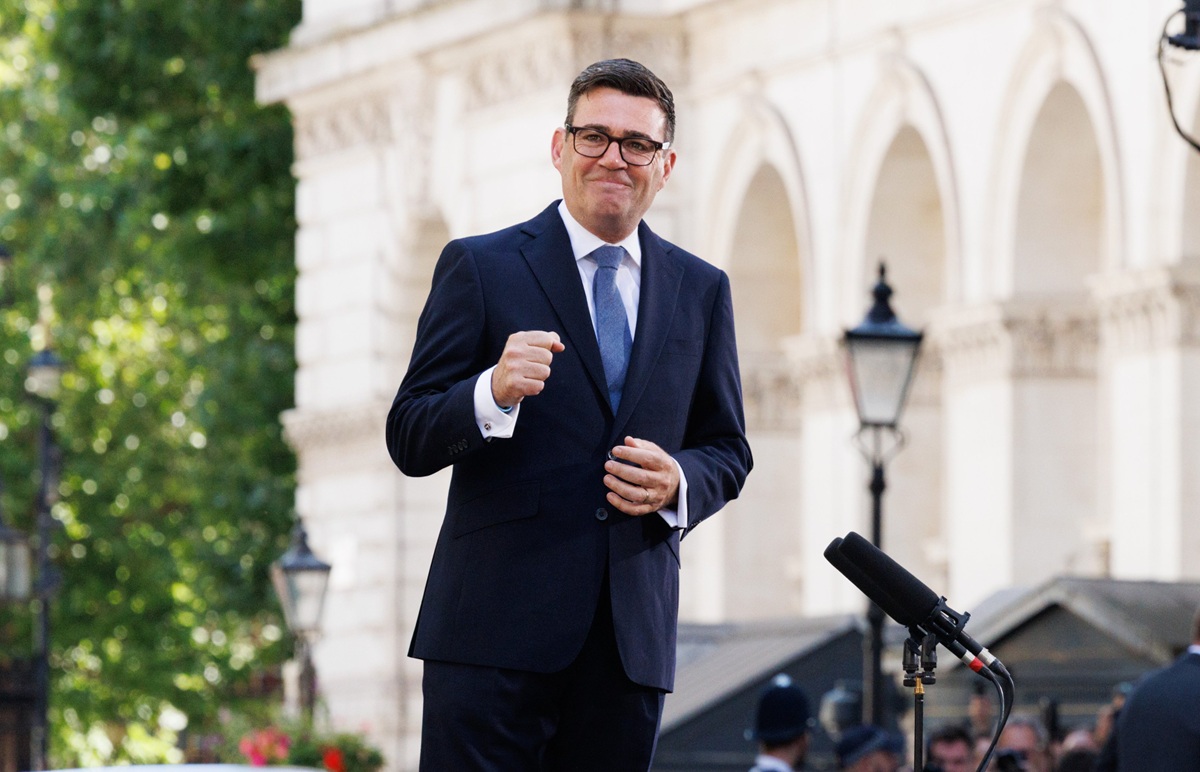
Prime Minister Andy Burnham has refused to rule out tax rises in the autumn budget, saying he “won’t be unrealistic” about the state of the public finances.
Burnham told ITV News the UK was in a “challenging position” but insisted he would take a “careful approach” to the economy.
Speaking on his first visit to Ukraine, he defended pledges including cutting VAT on household electricity bills and capping bus fares at £2, describing them as “funded commitments”.
Questions remain over how other promises will be paid for, among them £5 billion in defence spending announced before he entered No. 10 and his plans for major reforms to the social care system.
Doubts also surround his plan to fund the VAT cut by cancelling the previous Labour administration’s digital ID scheme, after former minister Darren Jones said the policy was not costed.
Asked whether the public should accept paying more in tax for some policies, Burnham said: “They don’t necessarily need to accept that. What I have put out so far, I wouldn’t say is everything, but they are the first steps and they are significant.”
“I will always take a careful approach to things. I ran Greater Manchester for 10 years and we ran a very tight ship with rock solid finances,” said Andy Burnham, Prime Minister.
He added that he would not take risks with people’s jobs, livelihoods or family finances, but warned: “I will do what I can but I won’t be unrealistic and people really need to understand that.”
Government borrowing rose unexpectedly to £1.8 billion in July, according to the Office for National Statistics, £700 million or 68.7% higher than a year earlier.
The increase came despite a record July for income tax receipts.
Inflation hit a four-month high of 2.9% in July amid the fallout from the Iran war, tightening the squeeze on new Chancellor John Healey ahead of his first budget.