The new year eight school test UK parents don’t know about

Key Points
- The government plans a new reading test for year eight pupils in England
- MPs warn it must not make reading feel like a source of stress
- The minister has promised the test will not be used to rank schools
- MPs say the test may need moving earlier if year eight proves too late
- The committee will monitor the rollout at regular intervals
MPs have warned that a new government reading test for year eight pupils risks making teenagers hate reading even more.
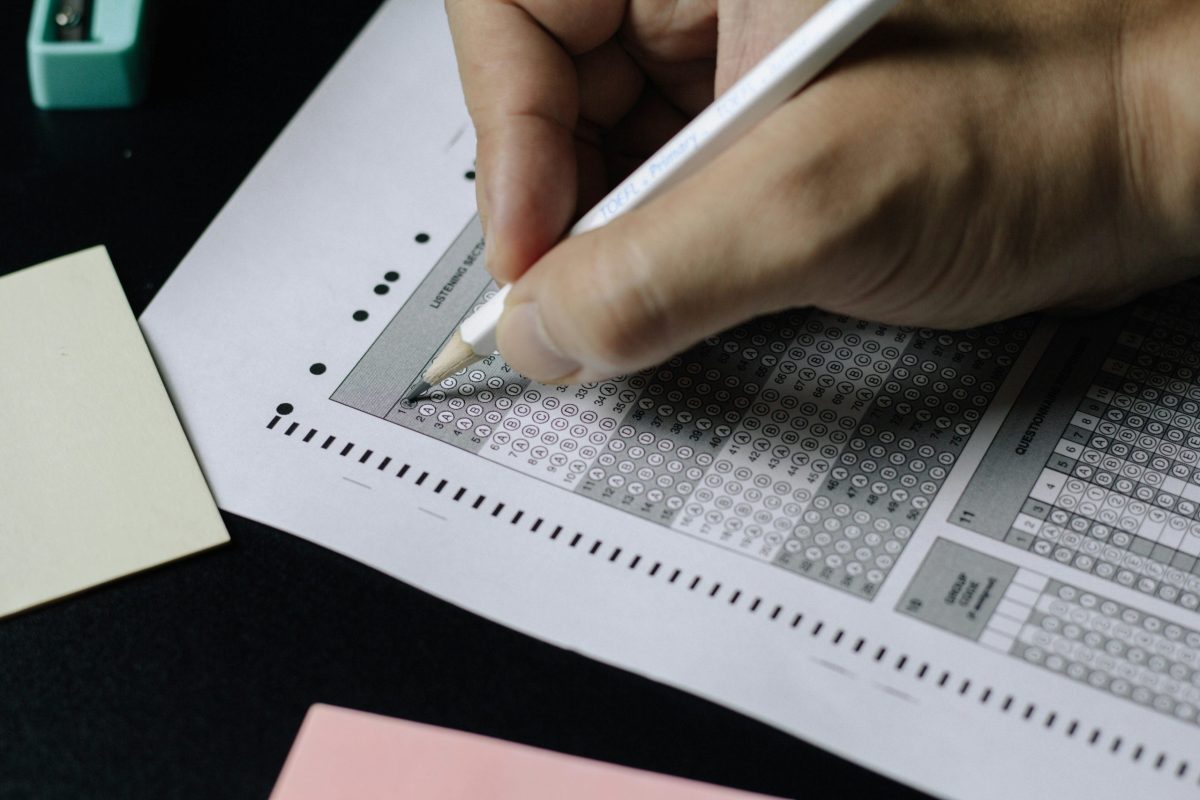
The government plans to introduce a reading test during secondary school as part of its drive to improve literacy, a policy that has received little public attention despite affecting every 12 and 13-year-old in England. The Education Committee examined the plan in its Reading for Pleasure report, published on Friday (17 July), and gave it only a cautious welcome.
MPs accepted that the test may prove a useful tool for teachers to identify children with reading difficulties who slipped through the net at primary school.
However, they warned that it must not take further time and resources away from reading for pleasure, and must not leave young people viewing reading as a source of hard work and stress.
The warning lands amid a wider crisis the same report documents. The proportion of children reading in their free time has sunk to its lowest level in 20 years, and the drop-off is sharpest among teenagers, exactly the group the new test targets.
No school league tables planned
Olivia Bailey, Minister for Early Education, assured the committee that the government will not use the year eight test as an accountability measure for schools. That means results should not feed into league tables or Ofsted-style judgements of a school’s performance.
MPs warned that assessments originally billed as diagnostic tools can drift into accountability measures over time, piling pressure onto schools and, ultimately, onto pupils.
The committee also questioned whether year eight is the right moment to test at all. MPs said the Department must monitor the impact of the test and stay open to feedback from teachers and literacy experts about how it works in practice.
If that feedback shows year eight is too late to identify pupils who need additional support, the Department should consider moving the test to an earlier stage of education, the report said.
The committee committed to following up on the test at regular intervals, which means the policy will stay under parliamentary scrutiny as it rolls out.
The government must respond to the committee’s recommendations within two months.