The best and worst areas for jobs in London

Key Points
- City Fringe/Tech City tops London jobs growth with around 180,000 added
- Over 10 growth zones including Croydon, Kingston and Ilford have lost jobs
- 11 of the 16 top areas sit in central London
- Opportunity Areas have added 743,020 jobs since designation
- Remaining capacity totals around 518,000 jobs across all zones
More than 10 of London’s designated growth zones have lost jobs since they were created, while two areas have added over 180,000, a new analysis by BusinessLDN and planning consultancy Quod shows.
The report tracked employment change across London’s 48 Opportunity Areas, the locations earmarked in the London Plan for major jobs and housing growth, and found a sharp divide between central London and the outer boroughs.
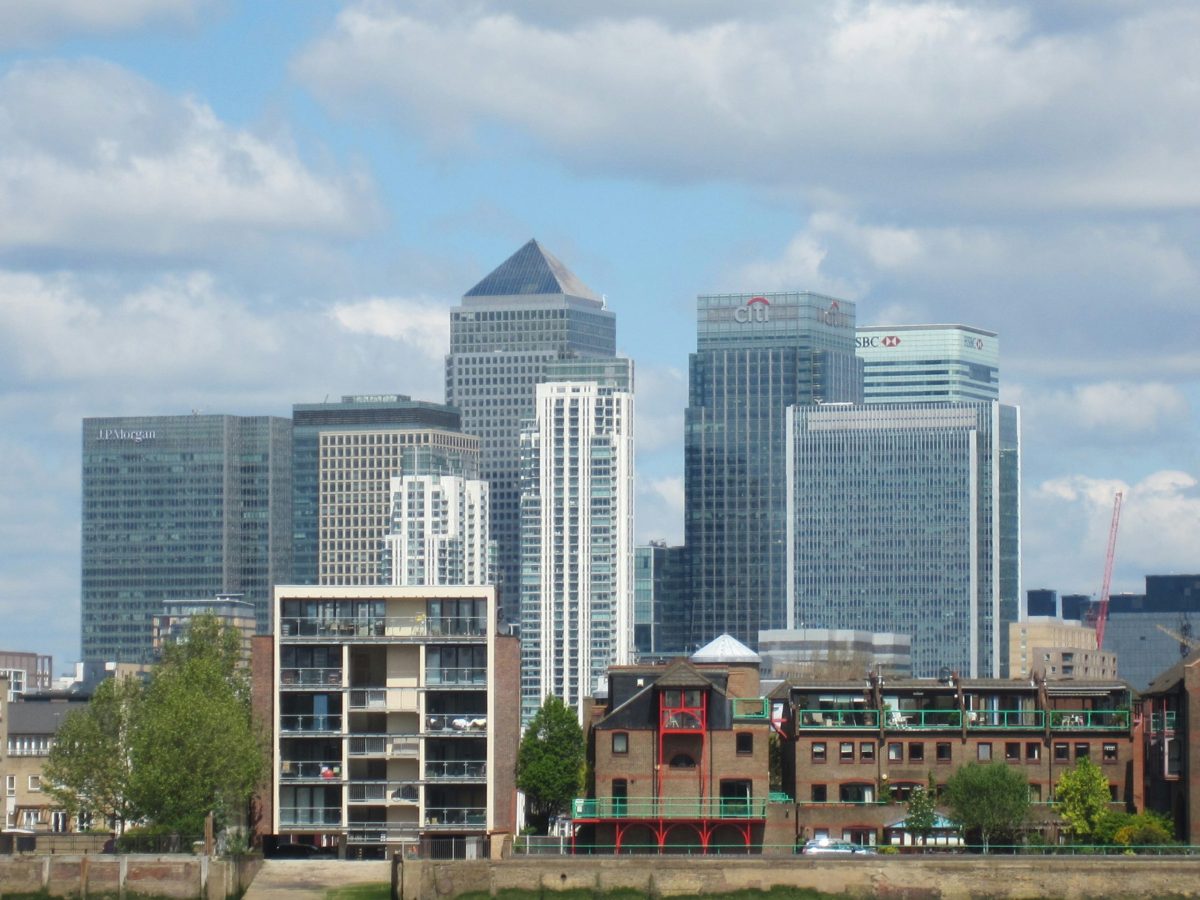
Eleven of the sixteen top-performing areas for job growth sit within the Central Activities Zone, with City Fringe/Tech City, London Bridge/Bankside and the Isle of Dogs leading the table.
At the other end, Ilford, Kingston, Croydon, Wimbledon, Brent Cross, Earls Court, Romford, Sutton, Old Kent Road and Bromley have all recorded net job losses since designation, while Poplar Riverside has shown only limited employment growth.
The report attributes the decline to office demand remaining concentrated in central London, alongside the loss of industrial and local service jobs as sites are redeveloped for housing.
For workers and students weighing where to base themselves, the figures point to central London and a handful of well-connected outer locations as the capital’s employment engines.
The five non-central areas in the top 16 – Olympic Legacy, White City, Heathrow, Royal Docks and Beckton Riverside, and Lee Valley – owe their growth to major investment, transport hubs or sheer geographic size.
Opportunity Areas have added 743,020 jobs in total since designation. The GLA forecasts London’s employment will grow by 717,000 jobs between 2021 and 2031, with a further 242,000 in the following decade.
Seven Opportunity Areas have already met or exceeded their job targets under the 2021 London Plan. Remaining capacity across all areas totals around 518,000 jobs, equivalent to 72% of projected employment growth to 2031, with the Olympic Legacy, Old Oak and Park Royal, and the Isle of Dogs alone accounting for more than 40,000 additional potential jobs.
The report calls for the next London Plan to set more realistic job targets in outer London areas where the market has moved, and to distinguish between job-focused and housing-focused growth zones.
The GLA is due to publish the draft plan for consultation shortly.