£40,000 energy upgrade leaves historic cottage unlettable

Key Points
- A £40,000 energy upgrade left a historic cottage with an EPC rating of F
- F is below the minimum E rating required for long-term rentals
- MPs want EPC methodology reformed for traditional buildings
- Only 16% of council staff feel confident making retrofit decisions
- England has around 370,000 listed buildings
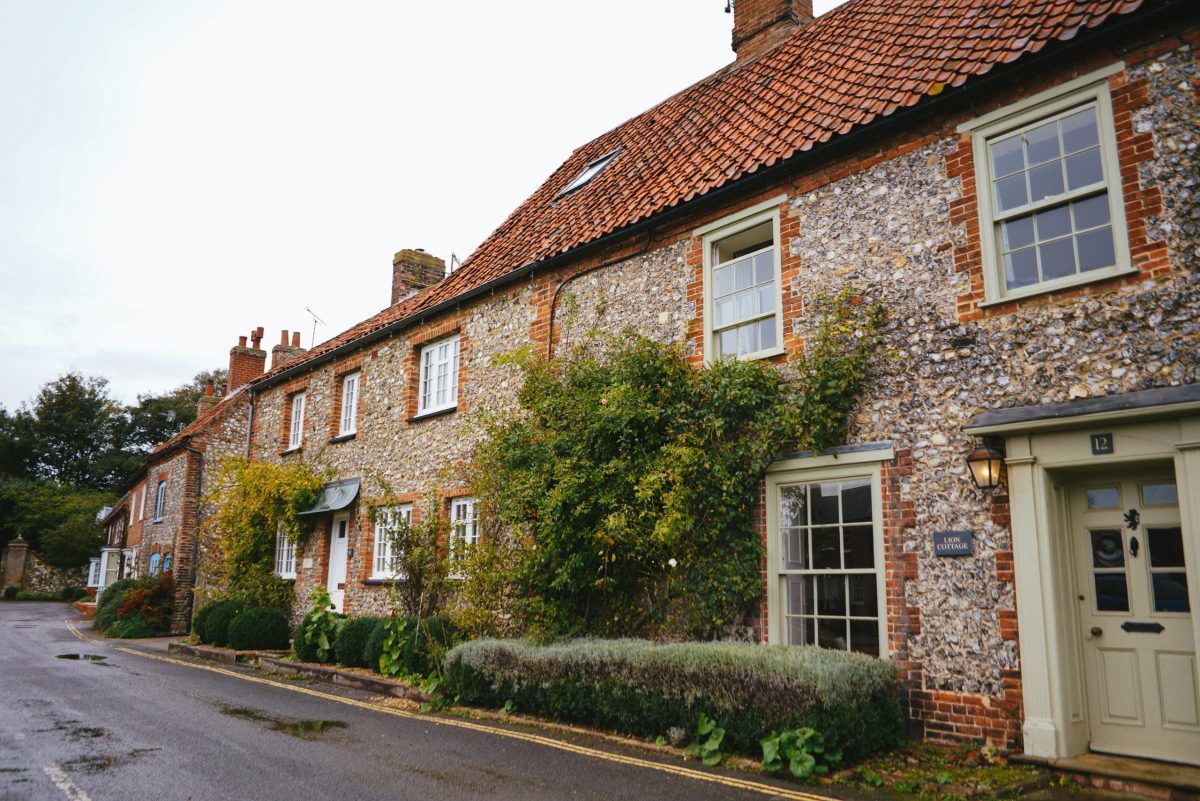
A historic holiday cottage remained illegal to let long-term after £40,000 was spent on energy efficiency improvements, MPs have heard, prompting calls for reform of Energy Performance Certificate rules for older homes.
The example was given by Ben Cowell, Director General of Historic Houses, in evidence to the Culture, Media and Sport Committee, whose report on built heritage was published today.
Despite the £40,000 investment, the cottage achieved only an EPC rating of F, below the minimum E rating required for long-term rental, meaning the property could not legally be let.
The committee found that current EPC methodology often fails to reflect how heritage properties behave differently from modern buildings, leading to unrealistic or inappropriate requirements for owners.
Cowell warned that some short-term let properties might not survive on the rental market if proposed efficiency standards were applied rigidly.
MPs are now calling on the government to reform EPC methodology to reflect the needs of traditional buildings, alongside clearer national guidance for councils and greater weight in planning decisions for low-impact retrofit measures such as secondary glazing, solar panels and heat pumps.

Evidence to the inquiry suggested councils are poorly equipped to handle the issue.
Property developer Grosvenor reported that only 16% of local authority staff felt confident making decisions about retrofit, while the Local Government Association said planning restrictions and the need to preserve historic fabric made energy upgrades difficult, with councils lacking centralised guidance to balance conservation against climate goals.
Witnesses said planning restrictions frequently obstructed low-impact measures even where the public benefit of decarbonisation was clear, with modest adaptations facing what Cowell described as disproportionate barriers despite being essential for keeping historic buildings in viable use.
The committee concluded that planning policy must enable rather than inhibit the decarbonisation of historic buildings. Around 370,000 buildings are listed in England, and millions more pre-1930s homes fall under conservation area or traditional construction constraints that complicate standard retrofit approaches.
The findings form part of a wider report that also recommends VAT relief on listed building repairs and a £1-style homes scheme for vacant historic buildings.