UK households now spend 59% of their income on essentials


Key Points
- UK households spend around 59% of income on essentials
- Barclays Financial Confidence Index baseline score: 61.8/100
- Only 1 in 10 UK adults have adequate income protection
- Just a quarter of UK adults hold sufficient life insurance
- Data from Opinium survey of 2,000 UK adults, April 2026
UK households are spending around 59% of their income on essentials such as food, utilities and housing, leaving limited room to build a financial buffer, according to the inaugural Barclays Financial Confidence Index.
The finding comes from proprietary Barclays data feeding into the new biannual Index, which measures UK attitudes and capability around managing money, building financial resilience and making key financial decisions.
The Index combines Barclays customer data, a nationally representative Opinium survey of 2,000 UK adults conducted between 24 and 28 April 2026, and economic data analysed by the Centre for Economics and Business Research.
The UK scored 61.8 out of 100 overall, with the Index built on four pillars each scored out of 25:
- Short-Term Resilience (15.3),
- Understanding Money (14.5),
- Planning Ahead (15.3)
- Day-to-Day Money Management (16.7)
The essentials squeeze falls under the ‘Short-Term Resilience pillar’, where the pressure on household budgets shows up most directly in preparedness for income shocks.
Households reported varying ability to cover essential living costs from savings if their earnings were hit, with income shock preparedness scoring 2.3 out of 4.
Essential spending pressure itself scored 2.9 out of 4, which Barclays said indicated some easing, with a smaller share of income now going on core costs thanks to easing inflation.
The bank said higher borrowing rates had encouraged debt reduction, while the UK’s unsecured debt-to-income ratio pointed to generally controlled borrowing.
Little protection against shocks
Protection against major shocks remains the weakest area for households.
Only 1 in 10 adults said they have adequate income protection, and just a quarter said they have sufficient life insurance, giving protection planning the lowest score of any indicator in the Index at 1.3 out of 4.
Consumers scored strongest on day-to-day money management, with 59% of respondents tracking their spending at least weekly and most saying they would adjust regular payments if their finances changed.
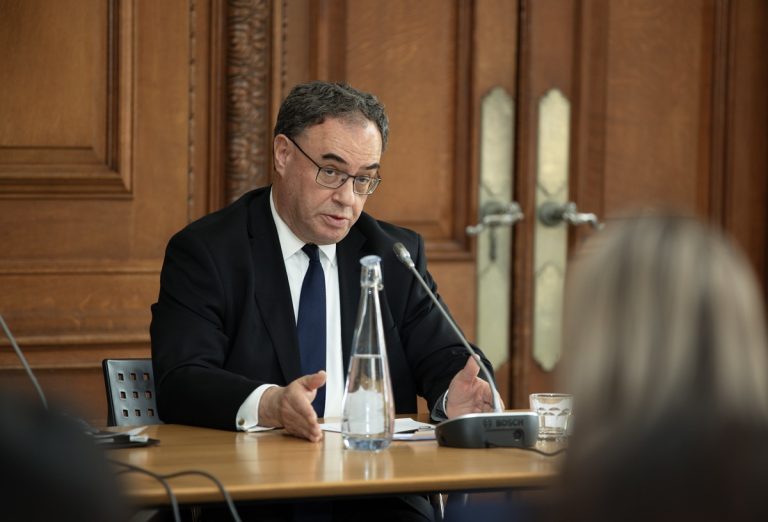
Vim Maru, Chief Executive of Barclays UK, said the Index showed many people are managing day-to-day, but confidence is not always turning into action.
“Financial confidence should be about more than just staying on top of everyday finances – it’s about equipping people to build their knowledge and put protections in place to support the future and help their money go further, for longer,” Maru said.