Secrecy over General Electric and Glencore UK tax disputes

Key Points
- HMRC refused to discuss its Glencore and General Electric tax disputes with MPs
- Around £1.5 billion remains at stake in the Glencore Diverted Profits Tax dispute
- HMRC settled its $1.1 billion GE dispute in 2021 with no fault attributed
- HMRC's public assurance programme examined only 20 large business disputes in 2024–25
- MPs said limited reporting fuels perceptions large firms play by different rules
HMRC refused to tell MPs whether it settled high-profile tax disputes with Glencore and General Electric fairly, the Committee of Public Accounts said in a report published on Friday (10 July).
MPs asked HMRC whether it could assure Parliament and the public that it had operated fairly and consistently in the two large, well-publicised cases.
HMRC said the duty to protect taxpayer confidentiality is at the heart of its charter, and that it cannot comment on individual cases even where details are freely available in the public domain.
The Committee said the limited nature of HMRC’s reporting does little to change public perceptions that large businesses play by different rules to other taxpayers.
It said that while it respects HMRC’s confidentiality duty, HMRC should not use it as an excuse for providing so little public reassurance about its work tackling tax avoidance by large businesses.
The Glencore dispute
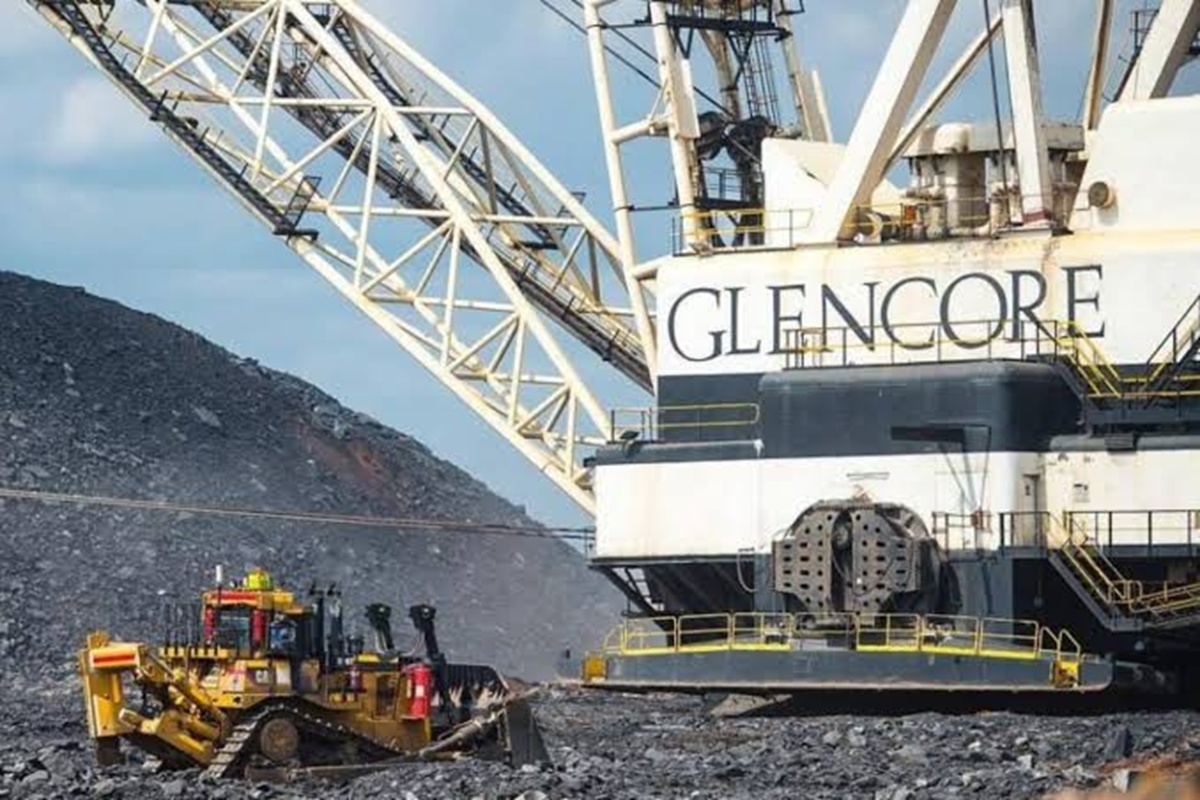
The Glencore dispute centres on payments made by the commodities giant’s UK oil trading arm to a related company in Switzerland.
HMRC first billed the company under the Diverted Profits Tax in 2016, arguing Glencore had provided no evidence of the actual services provided in return for the fees, and contending the arrangement diverted otherwise taxable profits from the UK to Switzerland.
Investigative think tank TaxWatch reported in May that around £1.5 billion in tax remains at stake 15 years after HMRC first questioned the payments, with the payments to Switzerland still continuing.
The dispute may now be decided in secret by a panel of foreign arbitrators following changes to UK law.
There is no suggestion Glencore has acted unlawfully, and the company says the relationship between its UK and Swiss subsidiaries is legitimate.
The General Electric dispute
The General Electric case concerned financing arrangements involving the US company’s Australian subsidiaries, routed through the UK.
HMRC argued it should not be bound by an earlier agreement with GE because the company did not disclose the full picture when it obtained clearance for the transactions.
HMRC had proposed disallowing interest deductions claimed by GE Capital between 2004 and 2015, with a potential impact of around $1.1 billion. The two sides settled in September 2021, agreeing a portion of the deductions were disallowed with no fault attributed to either party.
The resolution involved no current tax payment to HMRC, with GE instead taking a deferred tax charge of $112 million.
TaxWatch subsequently wrote to the Public Accounts Committee, the National Audit Office and the Treasury Committee calling for inquiries into the settlement, which it claims raised questions over how HMRC settled for such a small amount.
HMRC insists its processes are robust
HMRC’s main public reporting mechanism on disputes, the tax assurance settlement programme, examined only 20 disputes involving large businesses in 2024–25.
Of those, four were referred to a governance board, and HMRC followed the correct processes in all four cases. HMRC also runs a quality assurance programme within its large business directorate, but does not publish the results.
HMRC told the Committee its governance processes are robust.
Disputes are framed by its litigation and settlement strategy, under which HMRC will not settle for less than it could reasonably expect to win through litigation, and governance boards separate those working on an investigation from those approving a settlement.
In cases where more than £100 million in tax is at stake, its tax assurance commissioner provides additional oversight.
HMRC highlighted that it wins more than 90% of the cases that go to litigation.
Disputes that reach litigation took an average of 97 months to resolve in 2024–25, up from 57 months in 2019–20, and large businesses had £70.1 billion of taxes under consideration by HMRC as at October 2025.
The Committee asked HMRC to report back on how it plans to improve assurance to Parliament and the public on the scale and outcomes of its testing of large business tax disputes, the broader themes arising from them, and the successes of its compliance work.