TikTok and Tinder use surged after England went a goal behind DR Congo

Key Points
- O2 recorded its largest-ever mobile traffic event during England's Round of 32 win over DR Congo on 1 July 2026, peaking at the 5pm kick-off.
- The record was 20.38% above the previous peak (Arsenal vs PSG Champions League Final) and 27.67% above a comparable pre-tournament week.
- BBC iPlayer traffic rose 380% versus a typical weekday afternoon as commuters streamed the match.
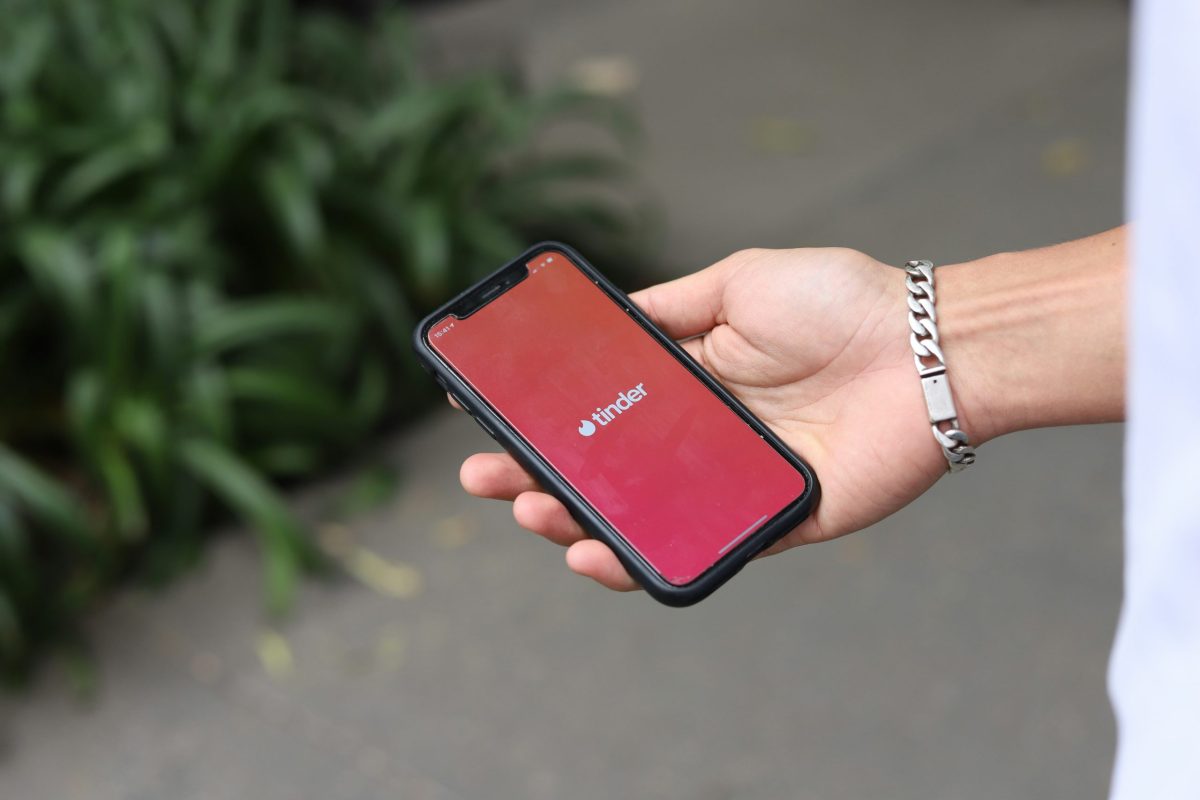
- TikTok, WhatsApp and Tinder usage rose when DR Congo scored, then fell after England equalised.
- Virgin Media O2 is investing £700 million in its Mobile Transformation Plan to handle peak demand.
There is now a measurable, network-level signature for English football anxiety, and it looks like a spike in Tinder traffic.
O2 recorded the biggest mobile traffic event in its history during England’s Round of 32 victory over DR Congo on Wednesday (1 July), with usage peaking around the 17h00 kick-off.
The new record was 20.38% higher than the previous peak, set during the Arsenal vs PSG UEFA Champions League Final, and overall traffic ran 27.67% above a comparable pre-tournament week.
But the headline numbers are less interesting than what happened inside them. When DR Congo took an early lead in the seventh minute, O2’s data showed activity climbing across TikTok, WhatsApp and Tinder – millions of fans reaching for a distraction rather than watch England go behind.
When England subsequently equalised and went up after the break, usage across all three apps dropped as supporters locked back into the match.
It is a small but telling portrait of how the nation actually watches football in 2026 – and indeed most content. Not with undivided attention, but with a phone in hand and an escape hatch permanently open.
The second screen is no longer a companion to the match but a coping mechanism we deploy when bored or anxious (or horny I guess).
A 17h00 kick-off meant the match also collided with the evening commute, and fans streamed it rather than wait to get home.
BBC iPlayer traffic surged 380% compared with a typical weekday afternoon as supporters watched on trains, buses and platforms, a load profile that simply did not exist for the tournaments of a decade ago, when big matches were absorbed by living-room broadband.
O2 said that this shift is redrawing the map of where network capacity needs to sit. A knockout match at commuter hour concentrates enormous demand on transport corridors and city centres at precisely the moment they are already busiest, and each tournament seems to reset the ceiling, the group noted.
Jeanie York, Chief Technology Officer at Virgin Media O2, said live sport had become one of the biggest drivers of mobile traffic in the UK, and that the England match had set a new record on O2’s network.
She added that the the operator was investing £700 million through its Mobile Transformation Plan to keep customers connected when demand peaks.
With England now through to the Round of 16, O2’s record may not stand for long.
If the team goes deep into the tournament, expect the next traffic peak to arrive with the next wobbly first half – along with another spike in people swiping right on Tinder.