New ‘inactive SIM’ scam hitting the UK

Key Points
- O2 is warning customers about a new "inactive SIM" phishing scam
- Fake texts claim a SIM will be deactivated unless customers "sign" new terms
- A link leads to a counterfeit O2 site that steals MyO2 login details
- O2 has blocked over 1 billion scam messages to date
- O2 never texts customers to re-sign terms and conditions
- Never click the link; use the MyO2 app or call 202 to check
- Report scam texts to 7726
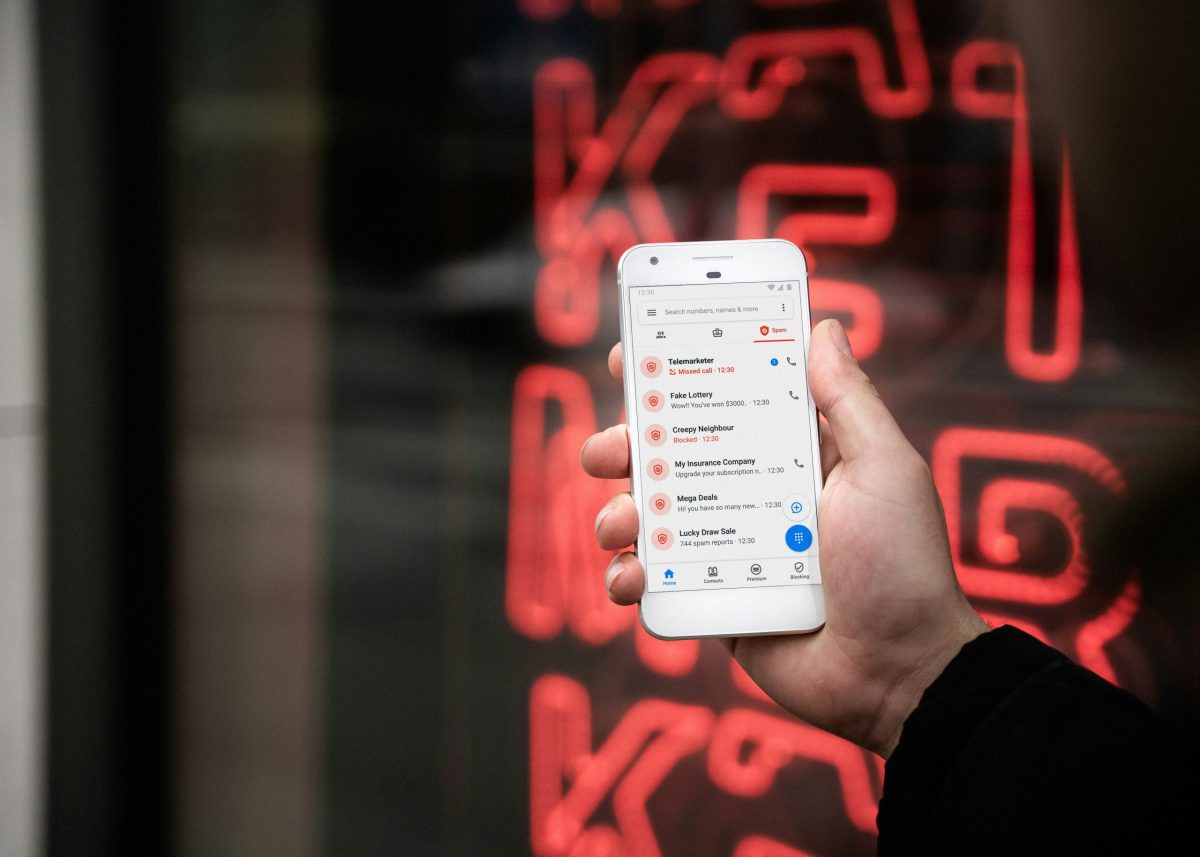
O2 is warning customers about a new phishing scam in which fraudsters pose as the telecoms company and claim a customer’s SIM card is about to be deactivated.
The scam uses urgent text messages telling people they must “sign” updated terms and conditions or lose service. Victims are directed to a fake O2 website built to harvest their login details, handing fraudsters control of their MyO2 account.
How the scam works
The fraudulent texts warn that a SIM will be switched off because the customer has not agreed to new terms. A typical message reads:
“O2UK: IMPORTANT: Your SIM Card(s) will be inactive on 04/06/2026, because you have NOT signed our Terms and Conditions. Logon [site removed] to sign.”
The link leads to a counterfeit O2 login page. It is designed to look legitimate but exists solely to steal usernames and passwords. Once fraudsters have those details, they can take over the victim’s MyO2 account.
O2 said it has blocked over 1 billion scam messages from reaching customers to date, including thousands tied to this latest campaign. The company has also moved to stop customers reaching known fraudulent URLs across both the O2 and Virgin Media networks.
It warned, however, that scammers are constantly building new websites and messages, and is urging the public to stay alert to unexpected calls and texts.
The company is asking people on every network to forward suspected scams to 7726. Those reports help it investigate and block the mobile numbers fraudsters use, refine its blocking systems, and spot new trends faster.
The warning comes as Virgin Media O2 and StopScamsUK, alongside BT/EE and VodafoneThree, met the Minister for Fraud, Lord Hanson of Flint, and parliamentarians to discuss how closer collaboration can tackle fraud and protect consumers.
“Scammers are becoming more sophisticated, using increasingly believable and urgent requests to target victims alongside convincing fake websites, demonstrating just how clever their tactics can be,” said Murray Mackenzie, Director of Fraud Prevention at Virgin Media O2.
Mackenzie added that the company is acting on multiple fronts to protect customers.
“At Virgin Media O2, we’re doing all we can to help Brits swerve the scammers, from blocking scam texts and malicious websites to rolling out enhanced fraud monitoring on online accounts. Every report to 7726 helps us act faster to shut down scams at source, so we’re urging everyone to play their part and forward suspicious messages.”
How to protect yourself
O2 has issued the following advice to protect yourself from the scam:
- O2 is not texting customers to ask them to sign updated terms and conditions or face deactivation. Messages like this are a scam.
- Be wary of urgent or threatening language designed to pressure you into acting quickly.
- Check the sender. Messages from an unrecognised number could be a scam. On many smartphones, genuine O2 messages appear under a verified “O2” contact rather than a standard mobile number.
- Never click a link in an unexpected message. Go directly to the MyO2 app or call 202 on an O2 device to check whether a request is legitimate.
- Report suspicious messages to 7726.
- Act fast if you’ve been caught. If you think you clicked a suspicious link and entered your login details, change your password immediately.
Brits can find more guidance on protecting themselves from fraud at Stop! Think Fraud, the UK Government’s national awareness campaign.