France says the door is open for the UK to return to the EU – and talks are underway

Key Points
- France's foreign minister Jean-Noël Barrot says the EU is "absolutely ready" to take the UK back
- Barrot claims negotiations to re-establish UK-EU ties have already begun
- He says a return "comes with rights but also duties"
- He attributes the move to Keir Starmer, who has just resigned as PM
- Barrot says UK per capita wealth has fallen below the EU average since Brexit
France’s foreign minister has said the European Union is ready to take Britain back, and that talks to rebuild ties between London and Brussels have already started.
Jean-Noël Barrot, France’s Minister for Europe and Foreign Affairs, made the remarks in an interview with France 5 in Paris, published by the French foreign ministry on 25 June.
Asked whether the prospect of a British return to the EU was political fiction, Barrot said France was “absolutely ready to open the door to the United Kingdom for a return to the European Union”, adding that such a return “comes with rights but also duties”.
He said negotiations had already begun between the UK and the EU to re-establish ties.
Barrot attributed the move to Keir Starmer, whom he described as “the Prime Minister who has just resigned”.
He said the talks reflected Starmer’s wishes, and acknowledged that a planned summit between the two sides had been postponed.
He said the process remained difficult because the UK’s departure was confirmed a decade ago, and that fresh talks and compromises would be needed for the two sides to come back together.
The economic case for a return
The foreign minister set out an economic case against Brexit during the interview. He said the policy had failed to deliver any of its promises, and that the UK’s per capita wealth had fallen below the EU average.
Barrot said that before Brexit, the UK’s per capita wealth was €3,000 a year higher than the European Union’s, and that it was now lower.
He framed continued EU membership as a source of resilience in what he called a more brutal global environment.
Barrot said member states needed the solidarity mechanisms offered by the bloc to resist the pressure of empires, withstand trade wars and invest in becoming more sovereign. He said a country acting alone inevitably grew weaker and more fragile.
The political issue
Barrot also addressed the political backdrop in Britain and across Europe.
He said proponents of a French exit from the EU, naming Jean-Luc Mélenchon and Marine Le Pen, had changed their position because Brexit had not produced the effects they expected.
He said anger and a feeling of dispossession among middle and working class voters in the UK, France and other European countries had not disappeared and demanded answers.
The interview also touched on the role of social media in British politics.
Barrot was asked about Donald Trump, who commented on Starmer’s departure before it was official, and about Elon Musk’s reposting of activist Tommy Robinson. The foreign minister said polarisation had consequences, and described Brexit as one of the first manifestations of it.
He said an enlightened debate had not been possible in the UK, and called for democracies to regain control of their online public space from platforms governed by what he called Chinese or American billionaires.
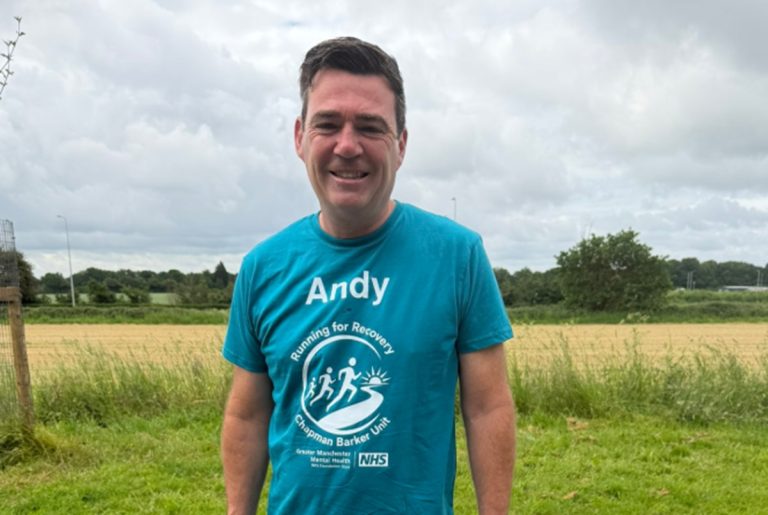
Asked about the timeline facing Andy Burnham, Barrot said he hoped Burnham would secure the post he was aiming for, and called for as much stability as possible despite Brexit continuing to have an impact.
The UK government had not commented on Barrot’s characterisation of the negotiations at the time of writing.