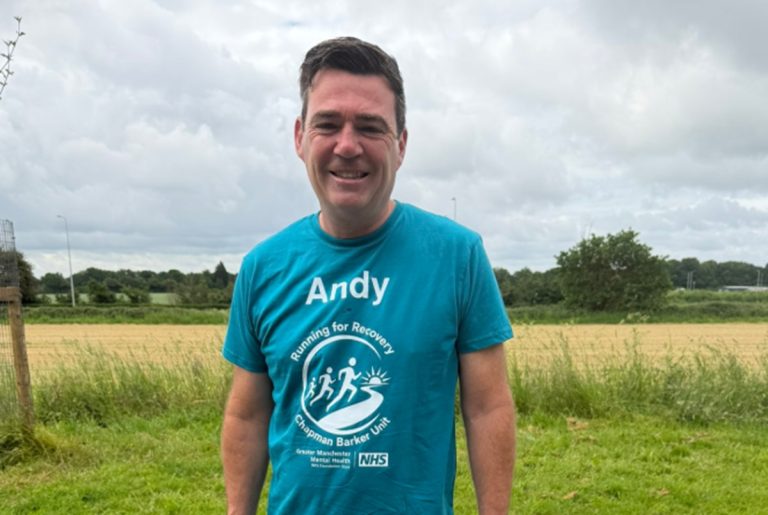
Reeves backs Burnham for Prime Minister despite threat of cabinet demotion

Key Points
- Rachel Reeves has publicly backed Andy Burnham to be the next prime minister, telling the BBC "I'm supporting Andy to be prime minister."
- Reeves declined to comment on reports Burnham could demote her to a junior cabinet role, saying the decision was his to make.
- Burnham is the only declared candidate to succeed Sir Keir Starmer and could enter Number 10 as soon as 17 July.
- Burnham won the Makerfield by-election with a majority of 9,231 over Reform UK, on turnout of 58.7%.
- ONS figures show the public sector borrowed £23.3 billion in May 2026, £5.6 billion above the OBR forecast and the second-highest May borrowing on record.
- UK net debt stood at 95.1% of GDP, a level last seen in the early 1960s, with the next public finances release due on 21 July.
Chancellor Rachel Reeves has publicly endorsed Andy Burnham to become the next Prime Minister, even as reports suggest he could move her to a junior cabinet position should he take charge of the Labour Party.
“I’m supporting Andy to be Prime Minister,” Reeves told the BBC, declining to be drawn on her own future in government.
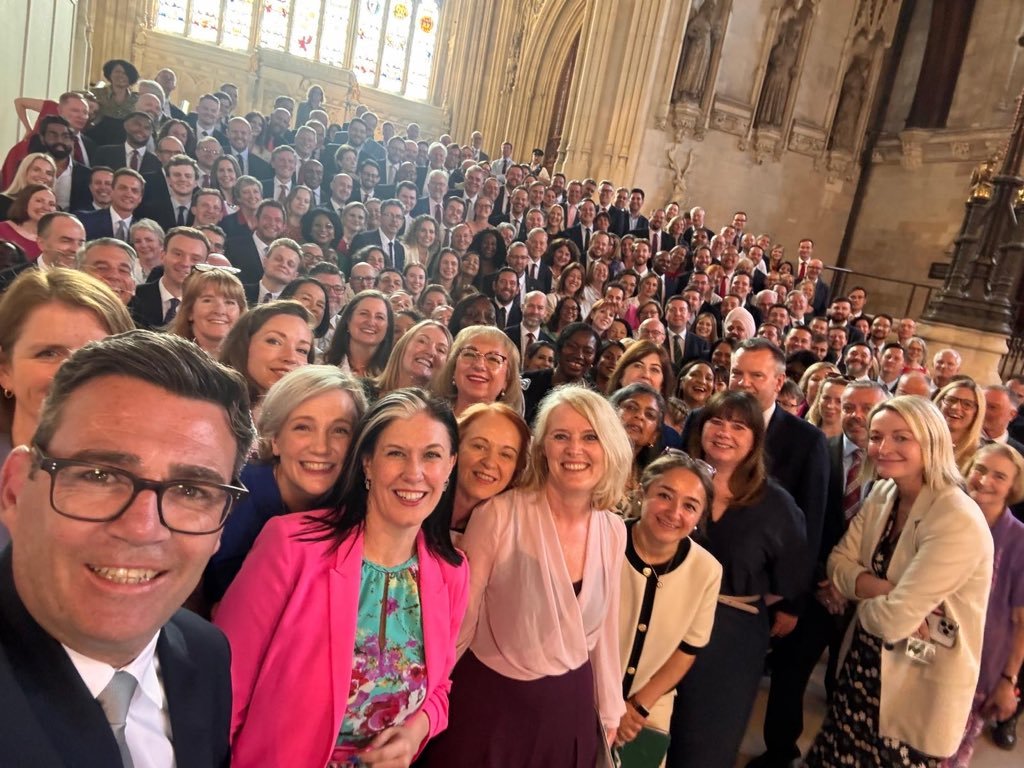
Burnham, sworn in last week as the Member of Parliament for Makerfield, is so far the only declared contender to succeed Keir Starmer, who announced his resignation earlier in the week after a series of senior cabinet departures.
If no other challenger emerges, Burnham could enter Number 10 as soon as 17 July.
Reeves acknowledged that her position was no longer in her own hands. Asked about reports that Burnham would hand her a more junior brief, she declined to speculate.
“I’m not going to pre-empt the decisions that the new prime minister will make. I’m backing Andy. I think he’d be a great prime minister, but those are his decisions, not mine to make,” she said.
The Chancellor signalled she remained ready to act before any handover, saying she stood prepared to provide targeted, temporary relief on energy bills in the autumn.
A by-election that reopened the leadership
Burnham’s path back to Westminster ran through the Makerfield by-election, which he won for Labour with a majority of 9,231 over Reform UK’s Robert Kenyon – nearly 4,000 larger than the majority Josh Simons recorded over the same candidate in 2024.
Turnout reached 58.7%, the highest at a parliamentary by-election in almost seven years. Burnham took 24,927 votes, up from the 18,202 Simons won in 2024, lifting Labour’s lead over Reform from 13 percentage points to 20 and delivering the party’s best vote share in the seat since 2017.
The vacancy was unusual in itself as Simons resigned to clear the way, marking the first contest since the 1965 Leyton by-election to be triggered specifically to bring a figure from outside Parliament into the Commons.
Labour rules require any leadership candidate to sit in the Parliamentary Labour Party, a threshold Burnham could not meet as Mayor of Greater Manchester. His return cleared it.
The fiscal position waiting for him
Burnham re-entered the Commons days before official figures laid bare the state of the public finances he would inherit.
The Office for National Statistics reported that the public sector borrowed £23.3 billion in May, some £5.4 billion – or 30.4% – more than in May 2025 and £5.6 billion above the £17.7 billion the Office for Budget Responsibility had forecast. It was the second-highest borrowing for any May on record in cash terms.
Central government debt interest payable hit £11.7 billion, up £4.1 billion, or 54.4%, on a year earlier and the highest for any May on record. The ONS attributed £4.9 billion of “capital uplift” to inflation-linked gilts as the Retail Prices Index rose.
Borrowing in the financial year to May reached £46.3 billion, £7.7 billion above the OBR’s profile, while net debt stood at 95.1% of GDP – a level the ONS said was last seen in the early 1960s.
Richard Carter, Head of Fixed Interest Research at Quilter Cheviot, said the figures underlined the position Burnham would face on entering Downing Street.
Markets, he said, were now waiting to see how quickly Burnham moved against Starmer and what his economic plan looked like, with the public finances “remain incredibly stretched and strained” and bond markets “still uncomfortable with the level of borrowing and lack of spending cuts being proposed by this government.”
Carter said he expected a Burnham-led government to take Labour further left, “increasing taxes, spending and ultimately borrowing,” noting that additional borrowing to fund defence had been “mooted of late.”
On that basis, he said, the yield on UK debt was likely to stay at a premium to developed-market peers, pushing debt-interest costs higher.
He acknowledged Burnham had “looked to calm market fears” through economic appointments including a former head of the OBR, but said he would still be “challenged fiscally should he become prime minister.”
The political picture was “likely to get messy in the short-term,” Carter added, while concerns over the public finances “will endure long after it is resolved.”