The bill waiting for Burnham


Key Points
- Andy Burnham won the Makerfield by-election on 18 June 2026 with a 9,231 majority over Reform UK.
- This will see him return to Parliament and positions him to challenge Keir Starmer for the Labour leadership.
- ONS data showed UK public sector borrowing of £23.3bn in May 2026 - 30.4% up year-on-year and £5.6bn above the OBR forecast - with debt interest at £11.7bn, a record for any May.
- Richard Carter of Quilter Cheviot said a Burnham government would likely increase taxes, spending and borrowing, keeping UK debt yields at a premium and raising debt-interest costs.
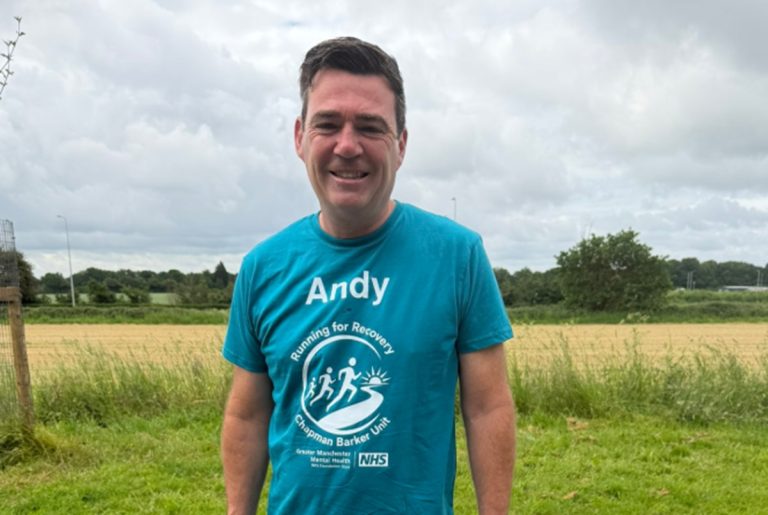
Andy Burnham returned to the House of Commons on Thursday after winning the Makerfield by-election, hours before official figures showed UK government borrowing in May ran well above forecast.
Burnham held the seat for Labour with a majority of 9,231 over Reform UK’s Robert Kenyon, nearly 4,000 larger than Josh Simons’ majority over the same candidate in 2024.
Turnout was 58.7%, the highest at a parliamentary by-election in almost seven years, and Burnham took 24,927 votes – up from the 18,202 Simons won in 2024.
Labour’s lead over Reform widened from 13 percentage points to 20, and Burnham’s vote share was Labour’s best in the seat since 2017.
The vacancy arose after Simons resigned the seat, the first time since the 1965 Leyton by-election that a contest has been triggered specifically to bring a figure from outside Parliament into the Commons.
Labour Party rules require any candidate for the leadership to sit in the Parliamentary Labour Party, which Burnham was unable to do as Mayor of Greater Manchester. His return positions him to contest the leadership against Keir Starmer.
The bill waiting for him
The Office for National Statistics reported on Friday that the public sector borrowed £23.3 billion in May, £5.4 billion (30.4%) more than in May 2025 and £5.6 billion above the £17.7 billion forecast by the Office for Budget Responsibility.
It was the second-highest borrowing for any May on record, not adjusted for inflation.
Central government debt interest payable was £11.7 billion, up £4.1 billion (54.4%) on a year earlier and the highest for any May on record, with the ONS noting that inflation-linked gilts added £4.9 billion of “capital uplift” as the Retail Prices Index rose.
Borrowing in the financial year to May reached £46.3 billion, £7.7 billion above the OBR profile, while net debt stood at 95.1% of GDP, a level the ONS said was last seen in the early 1960s.
Richard Carter, Head of Fixed Interest Research at Quilter Cheviot, said the figures underline the fiscal position Burnham would face if he reached Number 10.
He noted that the markets were now waiting to see how quickly Burnham moved against Starmer and what his economic plan looked like, adding that the public finances “remain incredibly stretched and strained” and that bond markets were “still uncomfortable with the level of borrowing and lack of spending cuts being proposed by this government.”
Carter said he expected a Burnham-led government to take Labour further left, “increasing taxes, spending and ultimately borrowing,” and noted that additional borrowing to fund defence spending had been “mooted of late.”
On that basis, he said, the yield on UK debt was likely to remain at a premium to developed-market peers, pushing debt-interest costs higher.
He acknowledged Burnham had “looked to calm market fears” with economic appointments including a former head of the OBR, but said he would still be “challenged fiscally should he become prime minister.”
The political picture was “likely to get messy in the short-term,” Carter said, but concerns over the public finances “will endure long after it is resolved.”
Burnham must still convert his by-election win into a leadership victory before any contest for the premiership. The next public finances release is scheduled for 21 July.