Farage demands immediate general election as Westminster prepares to crown Burnham

Key Points
- Nigel Farage has called for an immediate UK general election
- He says Andy Burnham cannot become PM without a public vote
- Burnham won the Makerfield by-election on 18 June with 54.8%
- Farage labelled Burnham "continuity Starmer" with no mandate
- Reform set out policies on the ECHR, migration and Net Zero
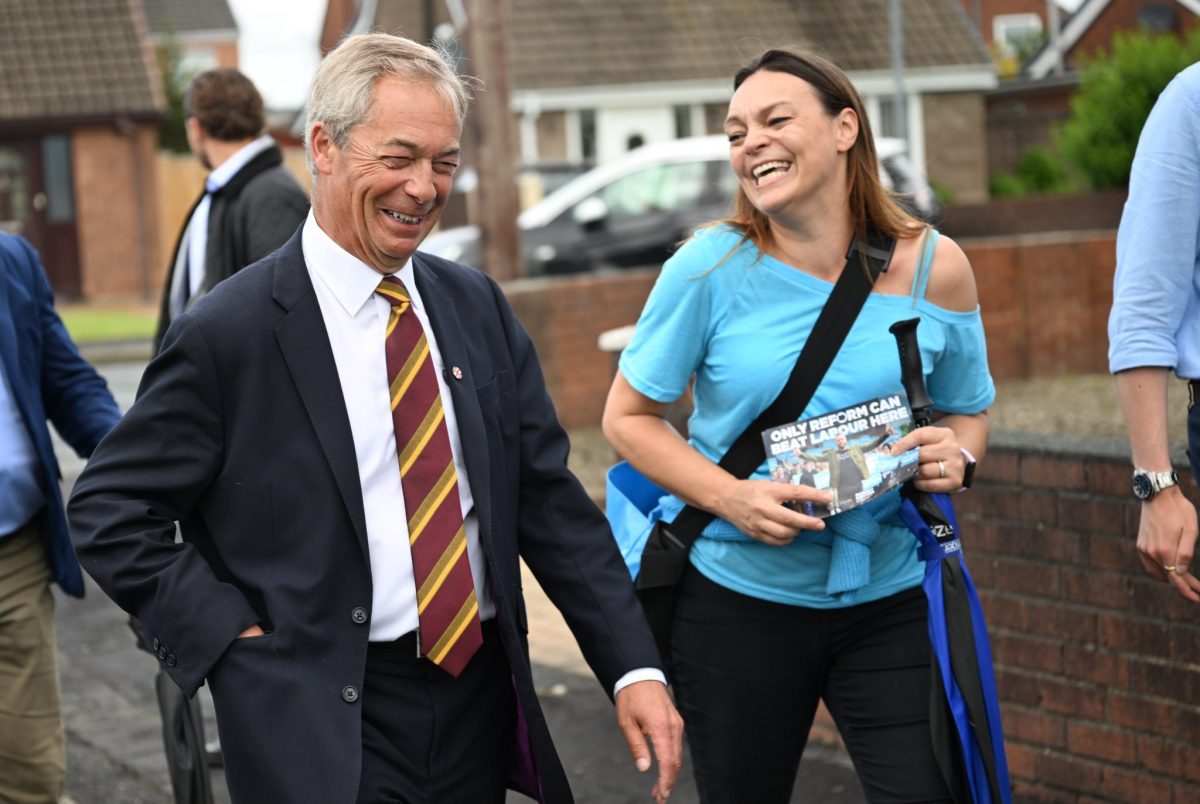
Nigel Farage has called for an immediate general election, arguing that Westminster has no right to install Andy Burnham as Prime Minister without a public vote.
The Reform UK leader set out the demand in a post published on Sunday, declaring that Keir Starmer is “finished” and that the country “cannot afford to waste another week drifting from crisis to crisis”.
Farage said he was calling for an election “at the soonest possible date” and claimed Reform was ready to fight one.
The intervention follows Burnham’s victory in the Makerfield by-election on 18 June, which the Greater Manchester mayor won with 54.8% of the vote and 24,927 ballots, finishing more than 9,000 votes ahead of Reform’s candidate.
The result returned Burnham to the House of Commons and positioned him as the frontrunner to replace Starmer as Labour leader and Prime Minister.
Under the parliamentary system, a governing party can change leaders mid-term without calling a national election, with the new leader invited by the monarch to form a government.
Farage challenges Burnham’s mandate
Farage said it was “ridiculous” to claim Burnham held any meaningful mandate to lead the country on the basis of fewer than 25,000 by-election votes.
He argued that Burnham had campaigned in Makerfield primarily on removing Starmer rather than on his own programme, and described the prospect of a leadership handover as the country acquiring “our sixth Prime Minister in seven years”.
Farage compared the situation to post-war Italian politics and said replacing a failing leader without a public vote was “not a fair deal for the British people”.
He said he had been “disappointed” by the Makerfield result but maintained that the contest had not amounted to an endorsement of Burnham’s wider agenda.
Farage claimed Reform had led in more than 300 opinion polls over the past year and pointed to the party’s performance in the May local elections as evidence of public appetite for change.
Attacks on Labour’s record and Burnham’s past
Farage used the post to set out a series of attacks on Labour’s two years in government, citing changes to pensioner support, welfare policy, employers’ National Insurance contributions, illegal Channel crossings, prison releases and farming taxation.
He said none of the decisions he listed had appeared in Labour’s 2024 manifesto.
He also questioned Burnham’s record, referencing his service in Gordon Brown’s government, his vote for the Iraq war and his previous unsuccessful leadership campaigns.
Farage characterised Burnham as having concealed his established political positions during the by-election, and described him as “continuity Starmer” drawn from “the same governing class”.
Farage said Reform would seek to leave the European Convention on Human Rights, end indefinite leave to remain for what he termed low-skilled migrants, scrap Net Zero policies and raise the VAT registration threshold for small businesses. He also restated the party’s “No Tax On Overtime” pledge.
He accused Labour and Kemi Badenoch’s Conservatives of operating as a “uniparty” that he said was resisting an early election.