Sadiq Khan plans for London to become the esports capital of the world

Key Points
- Mayor Sadiq Khan has published a City Hall–commissioned report, produced by Arena Consultancy, setting out an ambition for London to become the global capital of esports.
- The report recommends attracting more large-scale events, closing skills gaps between employers and education providers, and expanding esports career pathways through schools, apprenticeships and universities.
- It was published as London hosts the VALORANT Masters Tour at the Copper Box Arena, and during Khan's trade mission to Singapore and Tokyo, where he visited Fnatic and partner Sony.
- The global esports market is forecast to grow from around $2bn to nearly $10bn by 2033, reaching more than 640 million people worldwide.
London is making a formal play to become the global capital of esports, with Mayor Sadiq Khan publishing a City Hall–commissioned report this week that sets out how the capital can pull in more major tournaments, international companies and career pathways for young people.
The report, produced by Arena Consultancy, lands as London hosts the VALORANT Masters Tour at the Copper Box Arena in Queen Elizabeth Olympic Park.
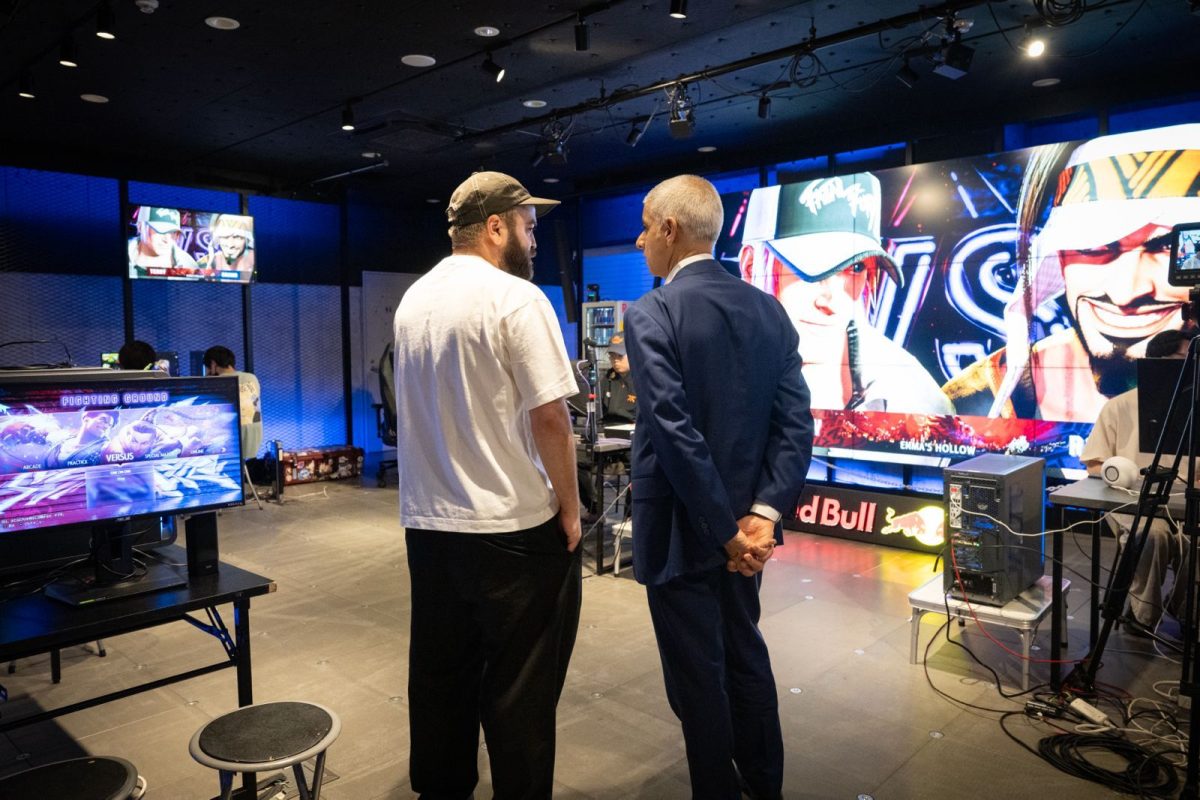
Khan is currently touring Tokyo on a five-day trade mission, where he visited the Red Bull Gaming Sphere alongside London-born esports group Fnatic and its partner Sony.
A multi-billion-dollar audience London wants a bigger slice of
Khan’s pitch rests on the sheer scale of the market. Esports has grown into a multi-billion-dollar global industry over the past decade, and is forecast to balloon from around $2bn to nearly $10bn by 2033.
It already reaches an audience of more than 640 million people worldwide, making it one of the fastest-growing forms of entertainment anywhere.
London has already hosted some major events. The League of Legends World Championship Final at the O2 in 2024 reached 50 million viewers globally and contributed more than £12 million to the local economy.
The following year, the three-day BLAST Premier London Open at OVO Arena Wembley pulled in more than 89 million viewers across over 100 territories, with an estimated £30m economic impact for the city.
Khan’s argument is straightforward: London has proven it can land marquee events – now it wants them to be regular fixtures rather than one-offs.
What the report actually recommends
The Arena Consultancy recommendations are less about flashy tournaments and more about development.
They include collaborating with global organisations to bring large-scale events to London, joining up employers, education providers and young people to close skills gaps, expanding access to esports careers through schools, apprenticeships and training providers, and building talent pipelines between universities and employers.
In other words, the headline ambition is about hosting world finals, but the substance is a workforce-and-skills strategy – an attempt to turn London’s event-hosting reputation into durable jobs and local opportunity.
On the funding front, the concrete figure is the £3.5 million Khan has provided over the past decade to support Games London, the programme aimed at growing the capital’s wider games industry.
City Hall has also leaned on London & Partners to court esports events and has hosted panels with industry figures including Fnatic.