1 in 5 Brits planning a UK staycation as overseas travel spend falls again

Key Points
- One in five UK consumers say they are planning a staycation this year, according to Barclays' Consumer Spend report for May 2026.
- Travel spending fell 5.8% year-on-year in May, a third consecutive monthly decline, with airline spending down 12.9%.
- Consumers planning a staycation cited convenience (46%), a preference for UK trips (35%), cost (33%) and avoiding air travel (30%) as their main reasons.
- Domestic categories showed signs of recovery, with hotels and accommodation up 2.7% and furniture stores up 6.4% year-on-year.
- Overall UK card spending rose 0.8% year-on-year in May, returning to growth for the first time in two months but still trailing CPIH inflation of 3.4%.
- The data is based on Barclays card transactions covering 27 April to 22 May 2026, with accompanying research of 2,000 UK adults by Opinium.
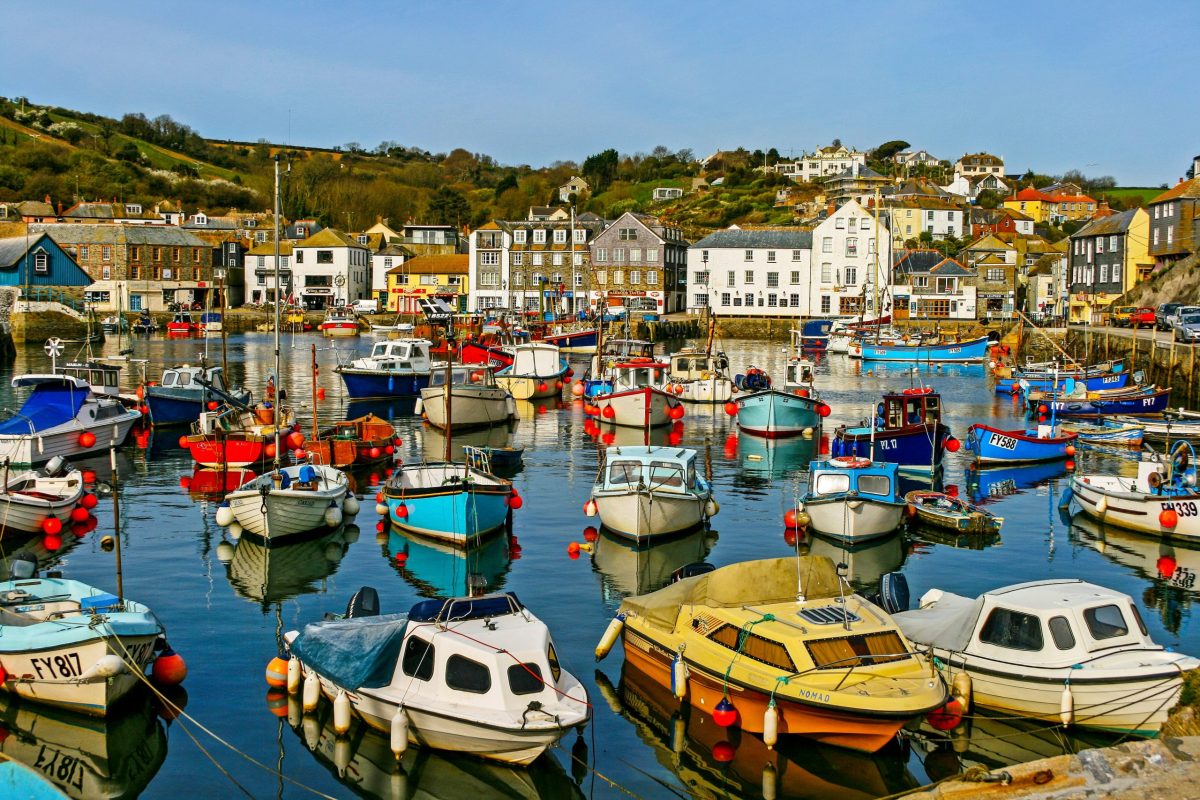
One in five British consumers say they are planning a staycation this year, as spending on overseas travel fell for a third straight month.
Travel spending dropped 5.8% year-on-year in May, marking a third consecutive monthly decline, according to Barclays’ latest Consumer Spend report.
Airline spending fell 12.9% over the month, which the bank said suggested households were delaying or reconsidering trips abroad amid ongoing uncertainty.
Barclays said the figures pointed to a shift towards closer-to-home alternatives rather than a drop in demand. One in five consumers told the bank they were planning a staycation this year, citing convenience (46%), a preference for UK trips (35%), cost (33%) and a desire to avoid air travel (30%) as their main reasons.
Warmer weather and the early May bank holiday helped lift spending across several seasonal categories. Food and drink specialist stores were up 4.0% and health and beauty spending rose 5.0% year-on-year over the month.
The bank also pointed to early signs of recovery in some areas tied to domestic spending. Furniture stores returned to growth at 6.4%, while hotels and accommodation rose 2.7%, reversing declines of 0.9% and 2.4% respectively in April.
The travel decline came against a wider backdrop of tentative recovery. Overall card spending rose 0.8% year-on-year in May, returning to growth for the first time in two months after a 0.1% decline in April.

That still trailed the latest CPIH inflation rate of 3.4%, meaning many households have yet to feel the recovery in real terms.
Essential spending edged up 0.7%, led by an 11.9% rise in fuel, while non-essential spending moved back into positive territory at 0.9%, reversing April’s 0.3% decline.
Most consumers were still adjusting their behaviour despite the uptick. Two in three (65%) reported making financial adjustments in response to current uncertainty, up from 62% in April. Among them, 45% said they were limiting non-essential purchases and 42% were cutting back on takeaways and meals out.
Of those reducing discretionary spending, 57% said they were doing so to offset rising essential costs, while 35% said their main motivation was to build a savings buffer.
The figures are based on Barclays’ card spending data covering 27 April to 22 May 2026, compared against the same period a year earlier.
Barclays processes nearly 40% of the UK’s credit and debit card transactions. The accompanying consumer research was carried out by Opinium between 22 and 26 May, surveying 2,000 UK adults.