British forces intercept Russian shadow fleet vessel

Key Points
- British Armed Forces have boarded and captured a Russian shadow fleet tanker, which is now secured off the South Coast of England.
- The first operation of its kind, the shadow fleet vessel was boarded on early Sunday morning.
- The Prime Minister paid tribute to the Armed Forces and law enforcement involved, but is currently grappling with a difficult situation on defence in Westminster
- In recent days, Defence Secretary John Healey and Armed Forces Minister Al Carns both resigned after seeing the government's Defence Investment Plan, saying it does not do enough to ensure the security of the UK.
British Armed Forces today boarded and captured a Russian shadow fleet vessel operating in UK territorial waters.
In the early hours of Sunday morning, Royal Marine Commandos and officers from the National Crime Agency boarded the Smyrtos, an oil tanker which was illegally transporting sanctioned Russian oil through UK waters.
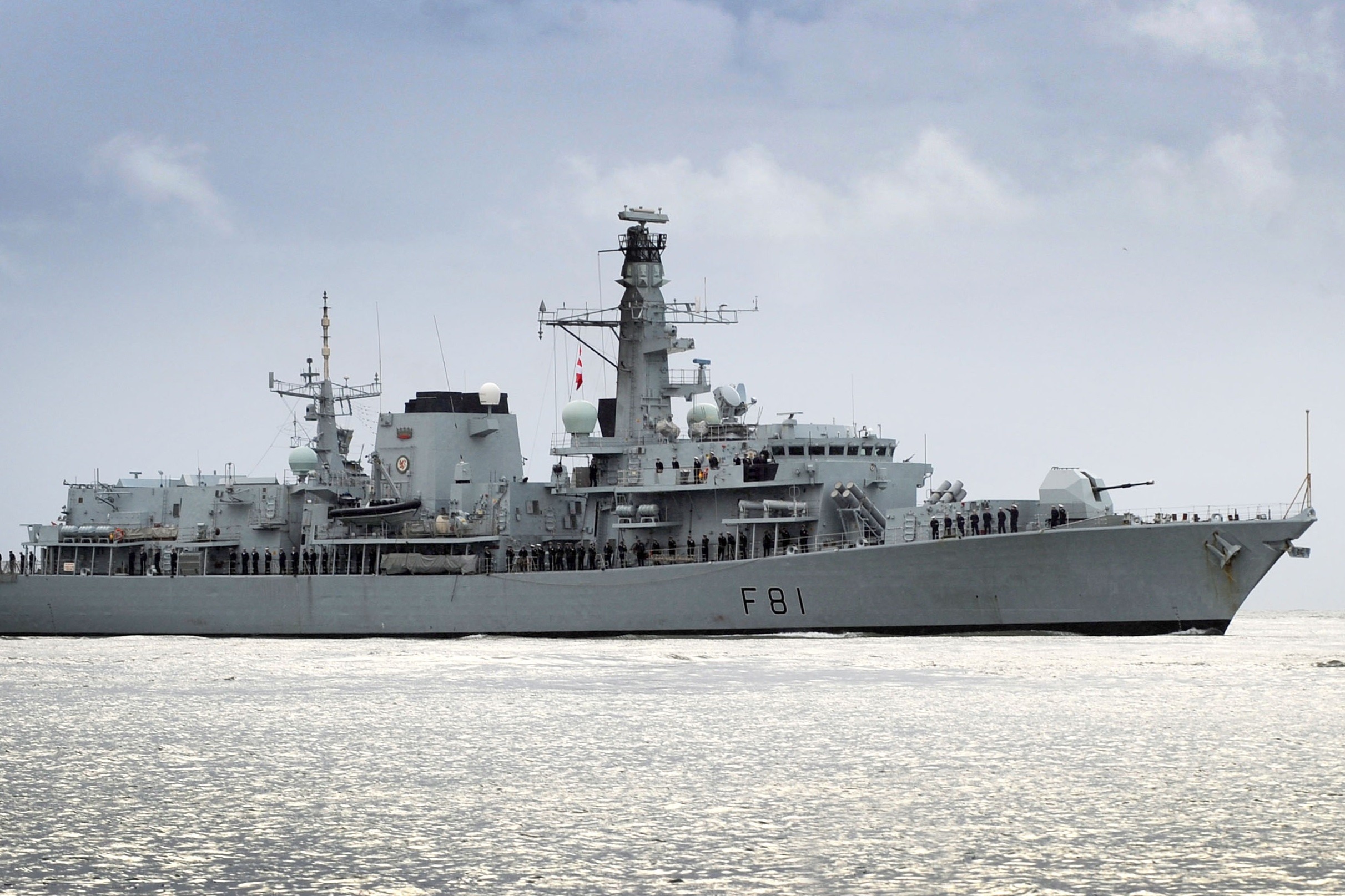
The operation lasted six hours and was supported by numerous aircraft, as well as HMS Sutherland and HMS Ledbury. The Smyrtos will be moved to an anchorage off the South Coast of England and monitored for environmental and safety concerns.
This is the first time the UK has intercepted and boarded a Russian shadow fleet tanker, and follows Prime Minister Keir Starmer confirming in March this year that British Armed Forces were allowed to board these vessels under international law.
The government confirmed that the boarding action against this vessel was conducted in accordance with both domestic and international law.
It added that disrupting the shadow fleet is a key measure in preventing the trade of sanctioned Russian oil, which is fuelling Russia’s war chest for its invasion of Ukraine.
The government said it has already sanctioned more than 500 oil tankers and that following these sanctions, Russia’s oil and gas revenues fell by 24% year-on-year in 2025. However, this drop will have likely been at least somewhat mitigated by the United States’ war in Iran, which is raising the price of oil around the world.
“This operation delivers yet another blow to Russia and reminds those fueling Putin’s war in Ukraine that they cannot hide.” Starmer said.
“I want to pay tribute to all those involved, including our Armed Forces and law enforcement officers who keep this country safe 24 hours a day, 365 days a year.”
Rocking the boat on defence
While the UK is projecting strength on defence with its first-ever boarding of a Russian shadow fleet vessel, things are looking a bit rockier for the government in Westminster.
Just a few days ago, John Healey resigned as Starmer’s Defence Secretary, citing direct concerns over the Prime Minister’s leadership and decisions on defence spending.
A powerful and experienced figure in the Labour government, Healey had received draft information on the government’s plan for defence spending, which prompted his resignation. He implied in his resignation letter that Starmer was not taking the measures necessary to safeguard the national security of the United Kingdom.
Healey’s resignation would have hit the Prime Minister hard, but it was quickly made a double-blow by the resignation of Al Carns from his post as Armed Forces Minister on Saturday.
Carns, touted by some as a potential challenger for the Labour leadership, echoed Healey’s sentiments in his resignation letter. He said the Defence Investment Plan would not be suitable to address the threat faced by the UK.
“I have sat in the rooms, seen the assessments, and spoken to the commanders who will be asked to do more with less, and I cannot in good conscience stand at the dispatch box and defend a level of investment I know to be inadequate to the task,” Carns wrote.