Digital ID is coming for the UK

Key Points
- The government has appointed an independent advisory group of six business and civil society leaders to scrutinise its digital ID programme.
- Members include Mumsnet founder Justine Roberts, cyber security expert David Rogers and former Pearson CEO John Fallon.
- The group will meet quarterly to challenge the government on policy decisions and ensure the system works for everyone.
- A separate programme of engagement with the digital verification and financial services sectors launches later in June 2026.
- The government says digital ID will end paper forms and make public services quicker and more secure to access.
The government has appointed a panel of business and civil society leaders to scrutinise its digital ID programme, pressing ahead with the scheme despite ongoing public concern over privacy and data security.
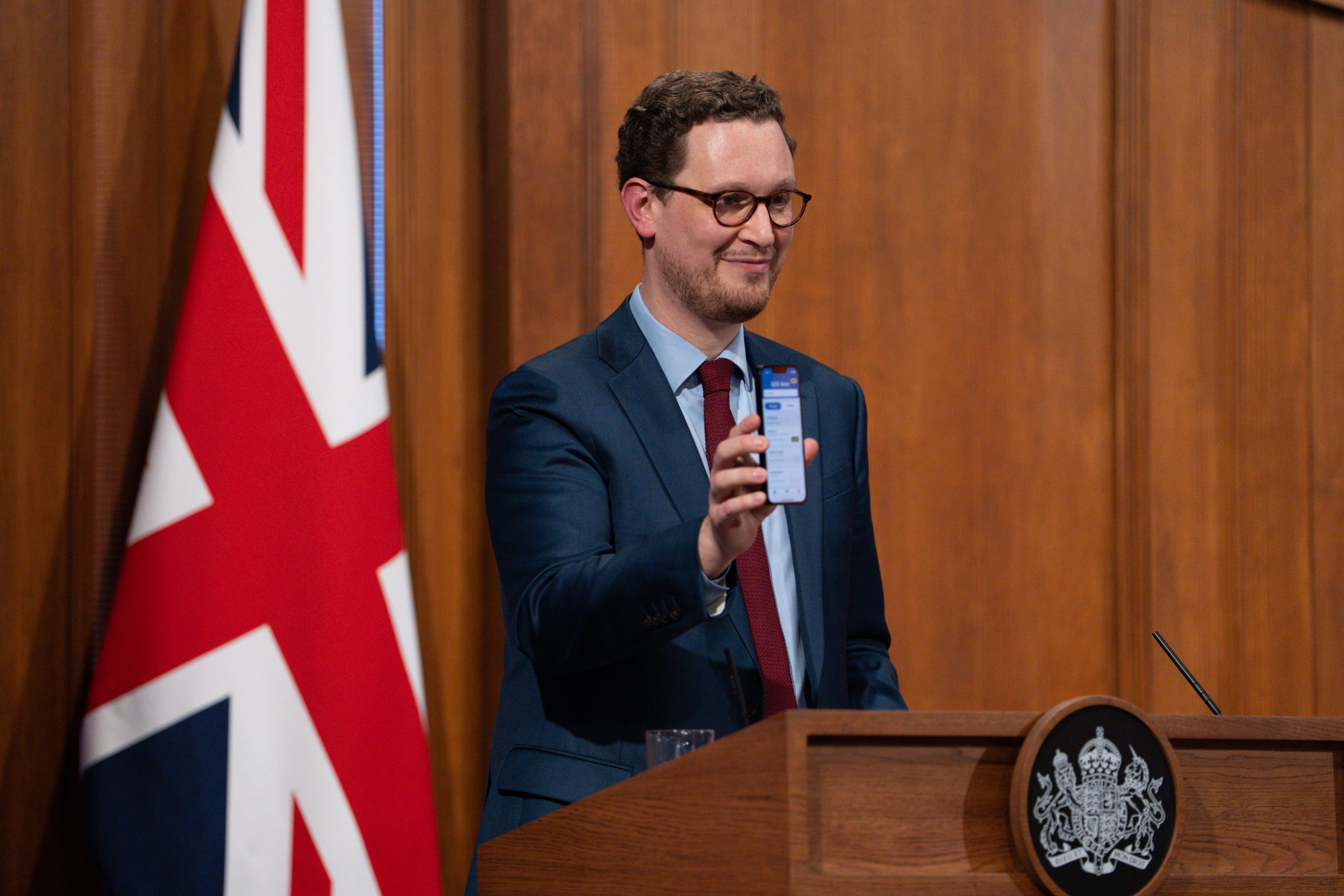
Chief Secretary to the Prime Minister Darren Jones has brought together six experts to form an independent advisory group, which will meet quarterly for the duration of the programme to challenge the government on its decisions and ensure the system works for everyone.
The members include former Pearson CEO John Fallon, Stemettes co-founder Anne-Marie Imafidon, cyber security expert David Rogers, digital regulation lawyer Emma Wright, Mumsnet founder Justine Roberts, and former New South Wales Minister for Digital Government Victor Dominello.
The government said digital ID will make public services quicker, easier and more secure to access, ending the need to fill out paper forms and repeat the same information to different parts of government.
“The current legacy system of call centres, paperwork and the need to tell your story multiple times to different parts of government is not good enough,” said Jones.
“In its place, we need to build a truly modern UK where public services work for you, with digital ID as the foundation.”
Digital ID forms part of wider government plans to reform public services, modernise public sector technology and replace legacy systems. The scheme has proved divisive since its announcement, with critics raising concerns about privacy, surveillance and the exclusion of people who struggle with digital services.
The government said inclusion is embedded in the design of the system, and the advisory group will provide external scrutiny and strategic insight as it develops.
Alongside the advisory group, the government will launch a programme of regular engagement with the digital verification services and financial services sectors later this month. This will involve close partnership with leading trade organisations to ensure wide representation.
Parliamentary Under-Secretary of State James Frith said the government wants digital ID to be “useful, inclusive and trusted”.
“Our programme of engagement will run throughout our development of the programme, ensuring we hear from as many people and organisations as possible,” he said.
“Digital ID will be transformative for our public services, ending the need to fill out endless paper forms, and making life simpler for people across the UK.”
Industry bodies welcomed the move. techUK CEO Julian David said private sector expertise must sit “at the heart” of the programme, while UK Finance managing director Jana MacKintosh said engagement with the financial services sector is an important part of building an effective digital identity service.
The announcements build on the People’s Panel, a group selected to be broadly representative of the British public, which considers different perspectives and debates trade-offs around the system.