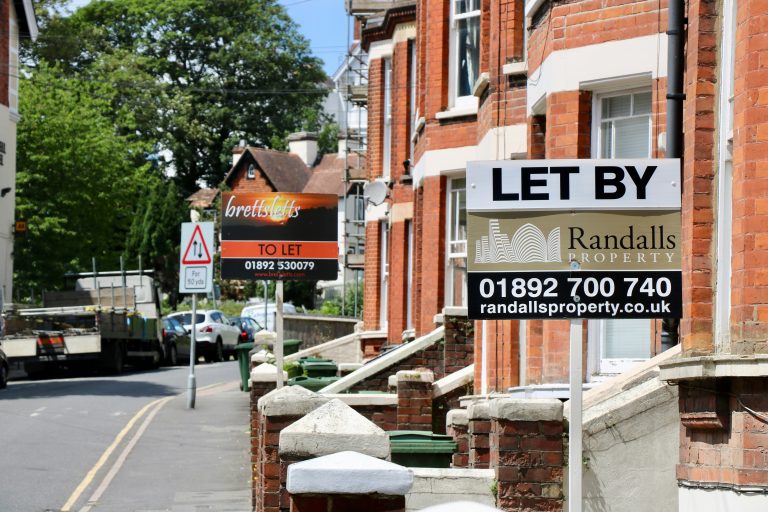
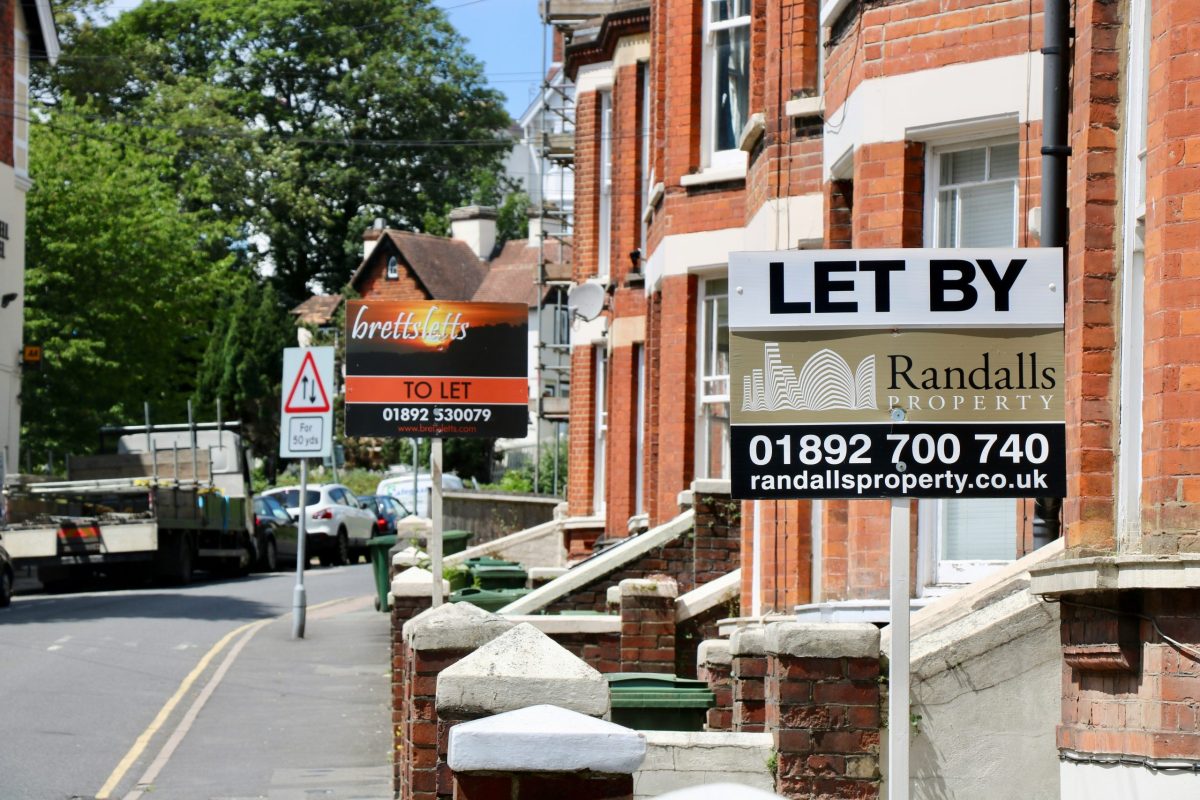
Cheap places to rent in the UK are disappearing

Key Points
- Areas where rents are the cheapest are seeing relatively high price growth, more than double that of the national average.
- Rental affordability is stretched, but there is also a lack of supply that is putting upward pressure on the market.
- In most cities, rents are becoming more affordable relative to wages as tenants find themselves unable to pay more. Demand for rental properties is also falling across the country.
- London bucks this trend by showing stable rent price growth and an increase in demand for rental properties.
Areas in the UK where renting a property has been relatively affordable are seeing a surge in rent prices.
According to new data from online property platform Zoopla, in areas where rents are below £750 per month, prices are rising at 5% year-on-year, more than twice the national average.
At the same time, rents in cities are seeing slowing growth or even slight declines as the affordability of tenants is stretched. However, those tenants who opt to rent further out in more affordable areas may now find their rent prices rises sharply compared to the rest of the market.
Nationally, rents have risen by 2.1% year-on-year. But in areas like Carlisle and Kilmarnock, where the average rent is lower than £750, prices have risen by 9% year-on-year.
Even though these more affordable areas are seeing steep rent rises, they will still remain far cheaper options than city centres.
Zoopla noted that the cost of renting remains relatively high, placing a ceiling on how high rents can be raised before they become unaffordable. Additionally, there has been a significant drop in the supply of rented homes compared to before the pandemic, which has prevented rents from falling.
Each UK region has 20-30% fewer homes to rent than it did before the pandemic, creating a lack of supply that is holding back the ability for affordability to improve for tenants.
Competition for rental properties has eased significantly, however, although both demand and rental price growth remains stable in London, where the average rent is now £2,206.
Despite affordability being constrained and lower-priced areas seeing significant spikes in rental prices, rental inflation remains, on average, below the growth in average earnings.
For the last 18 months, average earnings growth has outpaced rental growth, which is gradually improving the affordability of rentals across the country.
Zoopla executive director Richard Donnell pointed to constrained supply as one of the biggest problems facing the UK rental market.
“While demand for renting is at its lowest level for six years, low levels of new investment in private rented housing means an ongoing scarcity of homes for rent which is keeping an upward pressure on rents,” Donnell said.
“It’s positive that earnings continue to grow faster than rents at a national level but the experience of renters in local areas varies widely and is a challenge for lower income renters.”
“Growing the supply of rental homes is the single most effective way to improve affordability for private renters, particularly those in traditionally more affordable areas who have the fewest choices and are facing the sharpest increases,” he said.