UK parents to get government guidance on when children should get their first smartphone

Key Points
- The government has launched a three-week call for evidence to inform new screen use guidance for parents of children aged 5 to 16, due to be published this autumn.
- The guidance could include advice on when a child should get their first smartphone and will avoid blanket rules, instead helping families make informed choices.
- It will be informed by an independent expert group co-chaired by Children's Commissioner Dame Rachel de Souza and Professor Russell Viner.
- New polling shows 82% of parents say existing screen use guidance for under-fives is helping build healthier habits, and fewer than three in ten think social media benefits outweigh the risks.
- Ministers will also consult on independent safety certification for school technology including generative AI, with co-designed AI tutoring tools available to schools from 2027.
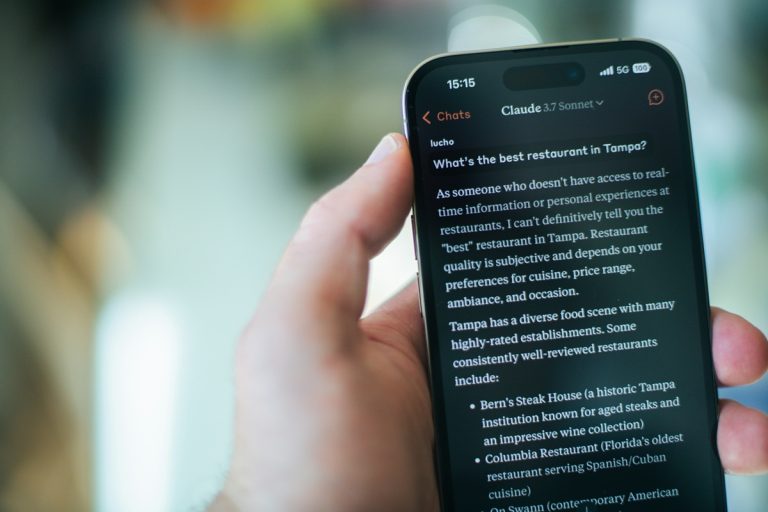
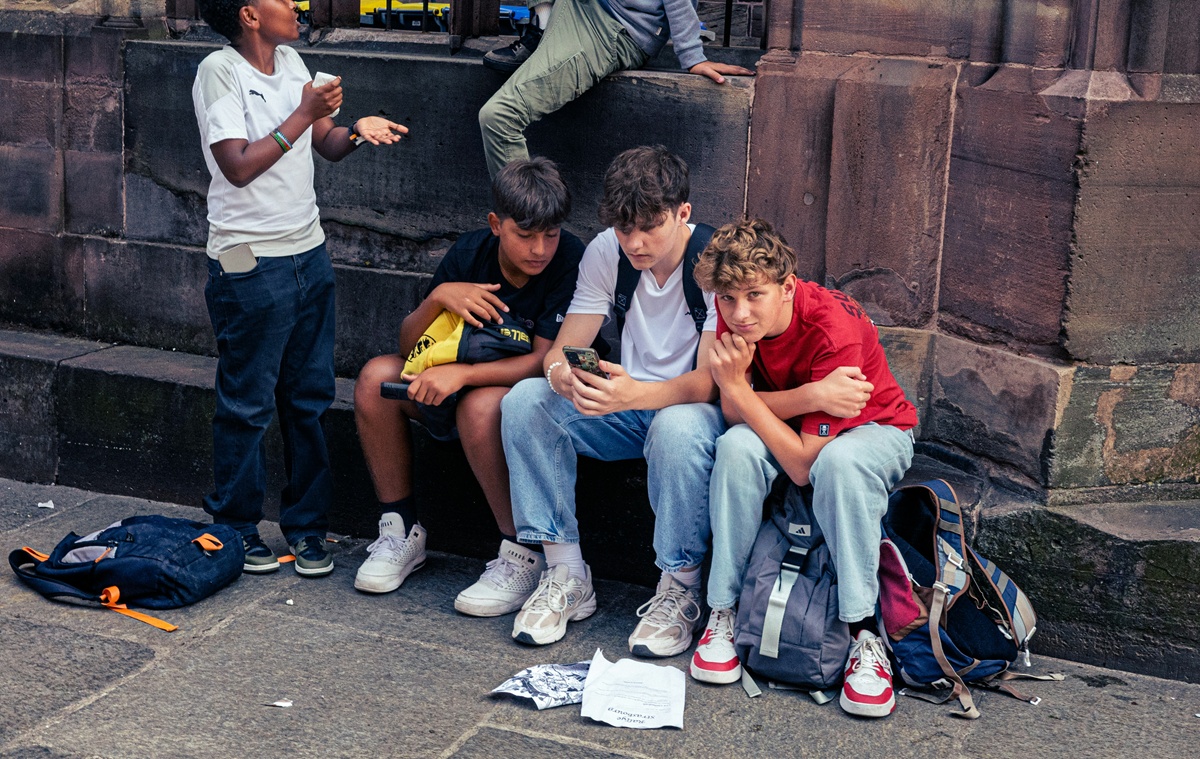
Parents will be given new guidance to help them manage their children’s screen use, which could include advice on when a child should get their first smartphone, the government has announced.
The government has launched a three-week call for evidence to inform the guidance, which will be published this autumn. The guidance will offer support for parents of children aged 5 to 16 and will be informed by an independent expert group co-chaired by Children’s Commissioner Dame Rachel de Souza and Professor Russell Viner.
The call for evidence will also seek views on screen use in schools, which the government said would help it build a picture of children’s digital lives and understand where technology can best support learning.
The government said technology is now part of childhood and can bring benefits when used well, including for learning, creativity, connection and support for children with special educational needs and disabilities (SEND). It said the guidance would avoid blanket rules and instead help families make informed choices.
Education Secretary Bridget Phillipson said parents are trying to navigate challenges previous generations never faced and deserve clear, practical support they can trust.
She said she disagreed with the argument that the answer is to return to a world of only pens and paper, adding that technology used well can open up opportunities for children with SEND, personalise support and help more children succeed.
Public Health Minister Sharon Hodgson said the government wants every child to grow up happy and healthy, which means supporting families to make screen time work for them. She said the aim is to give parents and carers the clarity and confidence to build healthy habits while supporting children to thrive online and offline.
The guidance builds on existing government action, including a legal requirement for phone-free classrooms, the Online Safety Act, the first screen use guidance for parents of under-fives, and a consultation examining options ranging from a blanket ban to app curfews and time limits.
The government said more than 110,000 people responded to that consultation, including parents and children, and that it is aiming to set out its response as soon as possible.
Polling shows guidance is popular
New polling published alongside the announcement shows that 86% of parents support the government’s screen use guidance for under-fives, while 82% say it is already helping families build healthier habits for young children.
While 96% of parents believe their child benefits from being online, fewer than three in ten think the benefits outweigh the risks when it comes to social media, messaging and video-sharing platforms.
The government, working with the Children’s Commissioner, is also recruiting for a new AI Youth Advisory Board to give young people a direct say in how emerging technologies affect their lives.
Dame Rachel de Souza said young people get huge benefits from technology but tell her they find it hard to put their devices down despite wanting to spend less time on screens.
She said parents and carers want to help but struggle to know what the right balance is, and that children and adults alike want clear, trustworthy information and guidance on screen use alongside action to remove explicit and harmful content.
Later this year, ministers will consult on new independent safety certification for some types of technology used in schools, including generative AI and filtering and monitoring products.
The government is also developing a framework on what good AI and technology products look like in practice and is working with teachers and technology companies to co-design AI tools that could give up to 450,000 disadvantaged pupils access to tutoring support.
Up to eight companies will work with partner schools to develop the products, with successful tools being made available to schools from 2027.