Passport or digital ID may be needed to work in UK, MPs warn

Key Points
- The Home Affairs Committee warned on 20 May 2026 that mandatory digital right to work checks could effectively require UK workers to hold either a passport or a government digital ID.
- The government dropped mandatory digital ID in January 2026 but kept the plan to mandate digital right to work checks by the end of the Parliament.
- Current digital right to work checks for UK and Irish citizens require a passport or Irish passport card, with no alternative documentation accepted.
- Census data shows 5.2% of working age people in England and Wales hold no passport, rising to 17.7% of people in Scotland.
- The government has not announced any targeted support for people without a passport ahead of the transition.
Millions of Britons may need to obtain a passport or a government digital ID to keep working in the UK under plans flagged by MPs today.
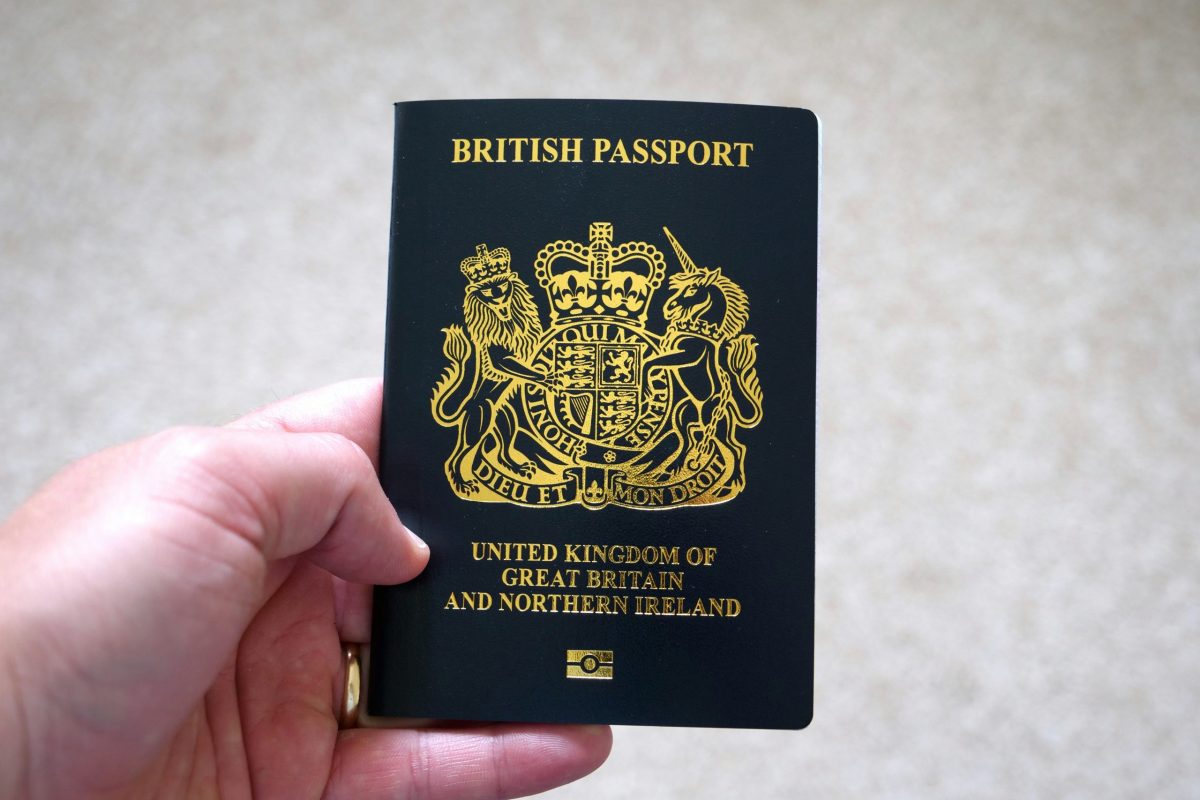
The Home Affairs Committee published its report on the government’s digital ID plans on 20 May 2026, warning that the move to mandatory digital right to work checks could in effect require UK citizens to hold either a passport or a government issued digital ID.
The committee, chaired by Karen Bradley MP, said the implication had not been highlighted by the government and was not asked about in its current consultation.
Prime Minister Keir Starmer announced in September 2025 that digital ID would be mandatory for right to work checks by the end of the Parliament.
The government dropped the mandatory digital ID element in January 2026 after an e-petition opposing the plan attracted 2,984,191 signatures, but kept the requirement to make digital right-to-work checks mandatory.
Digital right to work checks for UK and Irish citizens currently require a passport or Irish passport card. Alternative documentation is not accepted, and Home Office guidance directs employers to fall back on manual document based checks for anyone without a passport.
The government’s consultation, published in March 2026, indicates that acceptable evidence will be narrowed to digital ID, UK and Irish passports and cards, and eVisas.
The most recent census found that 5.2% of the working-age population in England and Wales did not hold a valid passport, rising to 13.5% of the whole population.
In the North East, 7.6% of working age people had no passport, compared with 2.2% in London. In Scotland, 17.7% of people hold no passport according to the 2022 census.
Home Office Minister for Migration and Citizenship Mike Tapp MP told the committee that supporting people without a passport was being considered, but the government has not announced any targeted support as part of the transition.
Employers who hire someone without the right to work face a civil penalty of up to £60,000 per illegal worker.
A Home Office survey in September 2024 found that 79% of employers conduct manual right to work checks, 37% use the Home Office online service for eVisa holders, and 23% use third party Digital Verification Services.
Members of the Association of Digital Verification Professionals carry out 5 million right to work checks in the UK each year.
The committee recommended that the government engage the public on what identity documents will be required to work in the UK in future, and consider whether support is needed to make those documents more accessible.
It also called for clearer guidance for businesses on how digital right-to-work checks should be carried out and what responsibilities employers will have.