OpenAI is doubling down on London with a massive 88,500-square-foot office in King’s Cross – here’s what it means for the UK’s AI ambitions
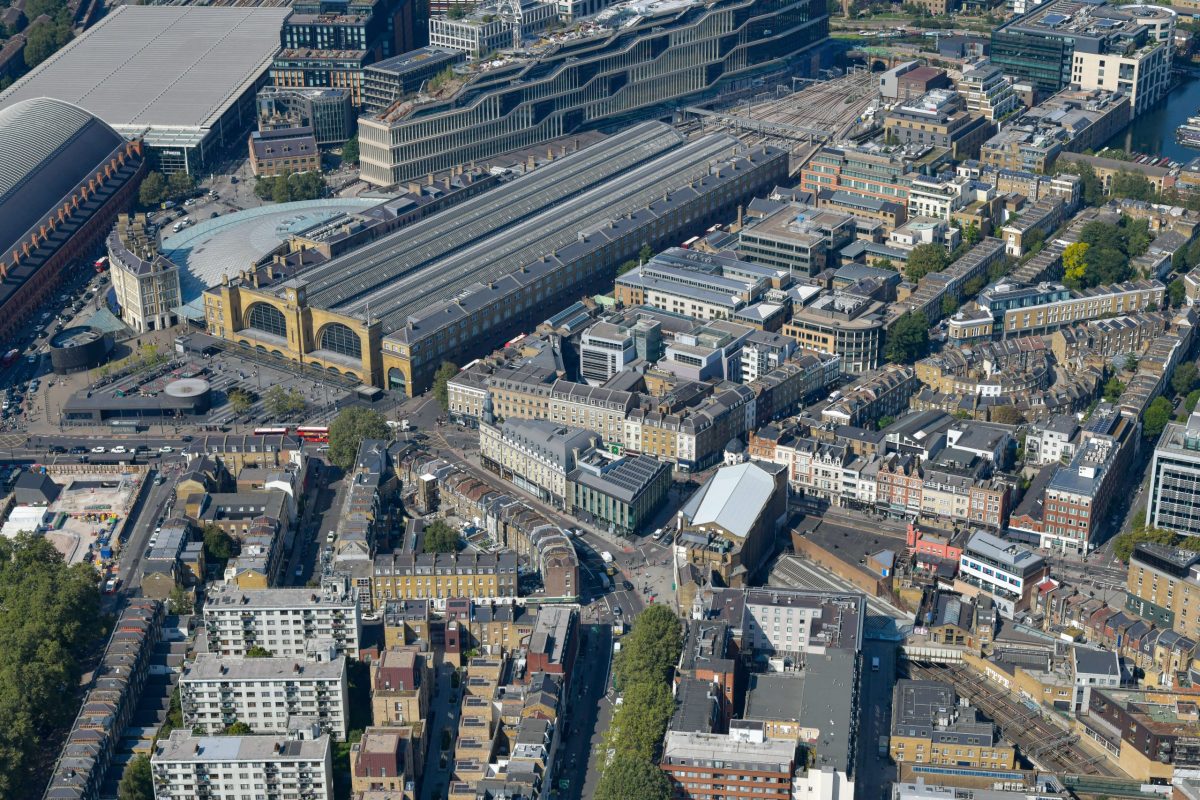

OpenAI, the Microsoft-backed creator of ChatGPT, has secured its first permanent office in the UK, committing to a sprawling 88,500-square-foot space in London’s King’s Cross neighbourhood.
The new headquarters, set to open in 2027, will have capacity for up to 544 team members, more than double the company’s current London headcount of around 200.
The office will span Jahn Court and the Brassworks Building within Regent Quarter, a mixed-use development that already includes retail, leisure, and evolving premium workspace.
It’s a long-term lease arranged through Endurance Land, with occupation expected from 2027 as part of broader upgrades to the estate, including the upcoming Times House & Laundry Building.
This move builds directly on OpenAI’s earlier ambitions for the UK. In February 2026, the company announced plans to transform its London presence into its largest research hub outside the United States, citing the country’s deep talent pool, world-class universities, and collaborative tech ecosystem.
London already serves as a key base for OpenAI’s research, engineering, policy, and commercial teams.
“The UK has an incredible depth of talent and a strong track record in AI. London is already a key hub for our research and teams, and this new office gives us the space to keep building here,” said Phoebe Thacker, OpenAI’s global head of data research programmes and London site lead.
“We’re seeing real momentum in how businesses, developers and institutions across the UK are using AI, and we want to support that growth. This investment reflects our long-term commitment to the UK and the role it can play in shaping how AI is developed safely and used to benefit people all over the world.”
A strategic bet on talent over infrastructure?
The timing is notable and comes just days after OpenAI paused plans on its major UK data centre Stargate project, reportedly due to energy costs and infrastructure challenges.
While compute infrastructure remains critical for training massive AI models, OpenAI’s focus here is clearly on people and proximity to innovation hubs.
King’s Cross is rapidly solidifying its status as Europe’s premier AI cluster. The area already hosts Google’s UK headquarters and its forthcoming £1 billion European HQ for DeepMind, alongside other AI players like Meta, Wayve, and Synthesia. The concentration creates a powerful flywheel for talent, collaboration, and knowledge sharing.
Oliver Jackson, director at Endurance Land, welcomed the deal. “We are proud and delighted to welcome OpenAI to Jahn Court & Brassworks, Regent Quarter. This landmark letting represents a pivotal moment for Regent Quarter as a destination for pioneering organisations shaping the future of their industries.”
Boost for UK AI ambitions
For the UK government and its AI strategy, OpenAI’s commitment sends a strong signal of confidence in Britain’s position as a global leader in artificial intelligence research and responsible development. It aligns with efforts to attract high-value tech investment and position London as a counterweight to Silicon Valley.
The expansion could create hundreds of high-skilled jobs across research, engineering, customer support, integrity and safety teams, startups support, policy, communications, marketing, and sales.
With London already home to roughly 30 OpenAI researchers, the new space provides room to scale significantly and “own key components” of frontier model work.
However, it also intensifies competition for scarce AI talent. Google DeepMind, with around 2,000 UK employees, has long dominated the scene. OpenAI’s push, including competitive salaries for researchers, could spark a talent arms race, benefiting top graduates from institutions like Oxford, Cambridge, and Imperial College while raising retention challenges for smaller UK AI firms and academia.