AI-powered pricing is coming for the UK – and it’s set to make everything more expensive
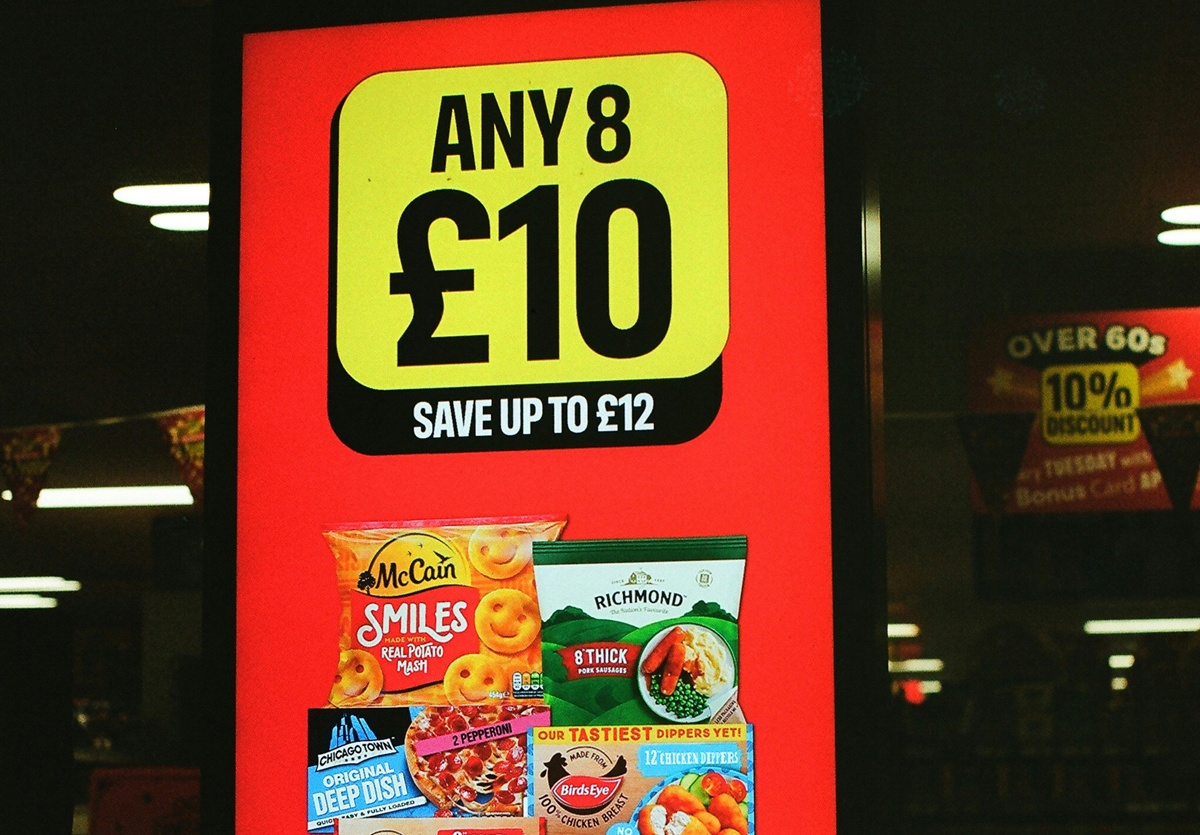

Dynamic pricing that changes by the hour and personalised offers tailored to your exact shopping habits is set to become the new normal across the UK economy.
A new analysis by the Bank of England shows that this AI revolution will likely fragment prices, boost volatility, and leave many households paying more.
In a sharply worded new commentary titled “This time it’s personal,” senior Bank officials Clare Lombardelli and Rupal Patel warn that AI, big data, and digital platforms are dramatically lowering the cost of changing prices and allowing firms to charge each customer closer to the maximum they are willing to pay.
“Dynamic and personalised pricing have not so far radically altered the overall inflation process,” the authors write.
“But they are changing it, and the direction of travel is clear. As data-driven pricing, particularly driven by new technologies such as AI, becomes more prevalent, prices will move faster and vary more across consumers as well as for firms.”
From airlines to supermarkets – the shift is already underway
Dynamic pricing – frequent, real-time adjustments based on demand and supply – has been common in travel and hospitality for years.
The Bank of England points out that the share of hotel room rates changing at least once a month has jumped from around 15% in 2005 to roughly 80% today.
Personalised pricing goes a step further as the same product is sold at different prices to different people.
Think loyalty-card discounts that quietly vary by your past spending, algorithmic promotions on supermarket apps, or theme-park tickets that shift according to your postcode and browsing history.
The Bank’s Decision Maker Panel survey of more than 1,600 firms shows the trend accelerating. 21% of companies already use market-responsive pricing; that figure is expected to rise to 31% within 12 months. Personalised pricing is spreading across every sector, from gyms and recreation to groceries.
Electronic shelf labels, already widespread in European supermarkets and rolling out fast in the UK, let retailers update prices multiple times a day.
Theme parks have ditched simple weekday/weekend tiers for algorithms that react to real-time capacity.
Why this could push prices higher for many
The big risk, the Bank argues, is “perfect price discrimination”, the theoretical ideal in which a firm extracts every last pound of consumer surplus.
In competitive markets this can sometimes mean lower prices for price-sensitive buyers. In less competitive ones it tends to mean higher prices for everyone else.
Households will effectively face different inflation rates depending on their data profile and bargaining power. Tech-savvy shoppers with AI-powered shopping assistants may snag bargains, while others pay full whack.
The result is a splintered consumer experience in which the “representative” basket used for official CPI becomes increasingly meaningless.
UK consumers already view dynamic pricing as unfair more often than in many other countries. The Bank’s Inflation Attitudes Survey found 44% of households expect the shift to push their personal costs higher, which could feed into broader inflation expectations.
So far, aggregate inflation has not risen systematically. Hotel prices have tracked the rest of the economy since 2005 despite far more frequent changes.
But the Bank notes that price volatility adds noise to the CPI and that personalised discounts captured in new ONS scanner data have shaved just 0.03 percentage points off headline inflation in recent years, a gap that widens to 0.1 points in high-inflation months.
What it means for inflation and policy
The Bank is clear that this is not yet a story of runaway inflation, but will instead likely be a story of faster-moving, more fragmented prices that central banks will struggle to read.
“Central banks need to keep track of how this affects consumer behaviour and inflation and continue to improve our tools for extracting information about underlying economic conditions from more volatile, more fragmented prices,” Lombardelli and Patel conclude.
They urge greater transparency to stop volatile prices from unanchoring expectations. Regulators, including the Competition and Markets Authority, are already watching for algorithmic collusion and reputational backlash.