‘We must go further’: Starmer vows to reopen the Strait of Hormuz as UK battles cost-of-living crisis
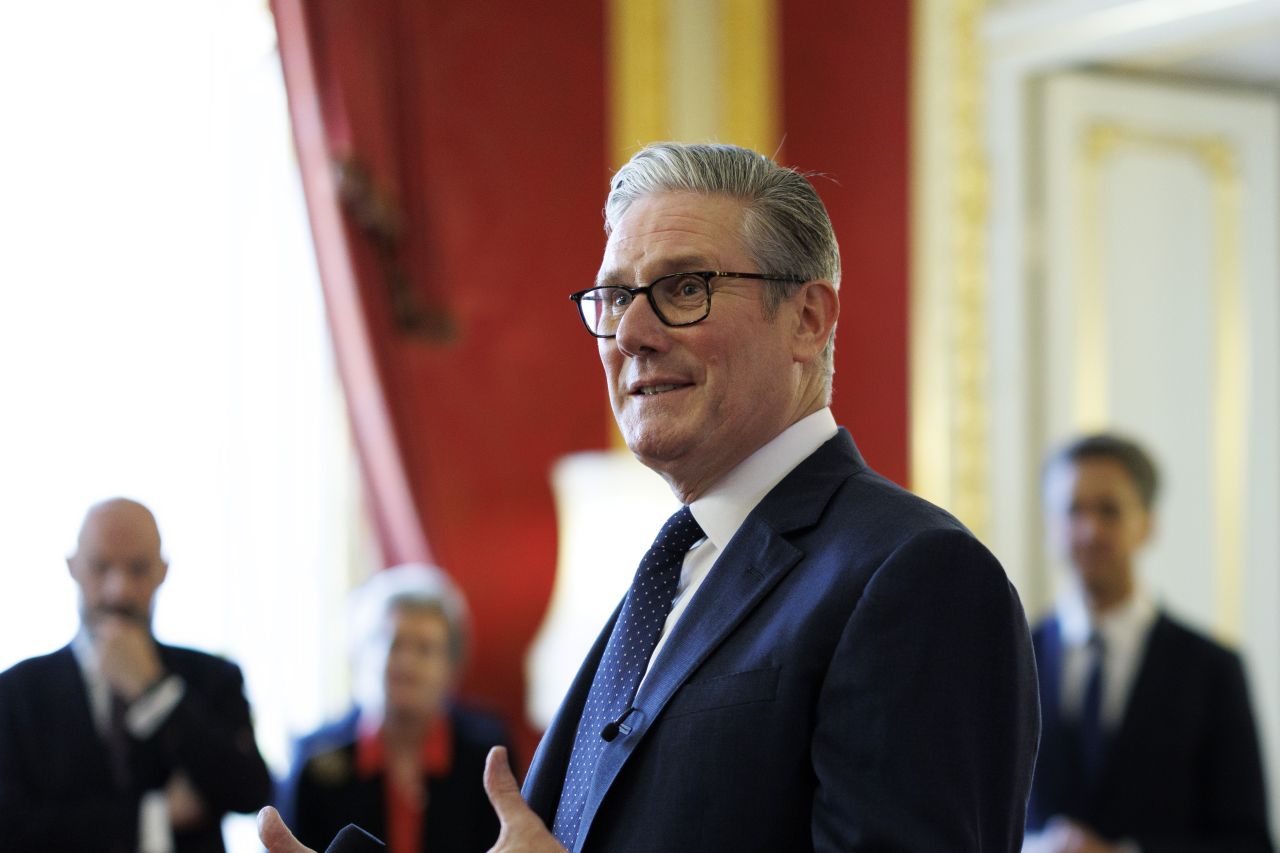

Prime Minister Keir Starmer has pledged to intensify international efforts to reopen the Strait of Hormuz, warning that the ongoing disruption caused by the Iran conflict is exacerbating the UK’s cost-of-living pressures and that domestic measures alone are not enough.
In a government announcement published Tuesday (31 March), Starmer linked new support packages for households directly to the need for global action on the critical shipping chokepoint, through which roughly one-fifth of the world’s oil and liquefied natural gas typically passes.
Iran’s effective blockade of the strait since early March has driven up global energy prices, contributing to higher bills for British families.
“We must go further to bear down on costs, and that means pushing for de-escalation in the Middle East and a re-opening of the Strait of Hormuz. That is the best way we can bring down the cost of living for families, and that is my focus,” Starmer said.
The comments come as the UK grapples with the economic fallout from the Iran conflict, which has seen oil prices surge and shipping routes disrupted.
The prime minister has held emergency COBR meetings, convened roundtables with energy, shipping, and insurance executives, and spoken with international allies, including US President Donald Trump, about securing the waterway.
New domestic measures take effect
To tackle the cost-of-living crisis, the government is rolling out immediate relief starting 1 April:
- Energy bills: Average household energy bills will fall by £117 a year, locked in until the end of June, building on an earlier cut to the price cap.
- Wages: The National Living Wage rises to £12.71 per hour, delivering a £900 annual boost for around 2.4 million workers. The National Minimum Wage for younger workers increases to £10.85, providing a £1,500 uplift for over 200,000 people.
- Vulnerable households: A new £1 billion Crisis & Resilience Fund launches to help those struggling with costs, including £53 million targeted at households reliant on heating oil. The £150 Warm Home Discount will continue for millions every winter through the decade.
- Other support: Prescription charges are frozen so no one pays more than £10 for medicines, and the fuel duty cut is extended until September.
The Hormuz factor
The Strait of Hormuz has become a flashpoint in the broader Iran conflict. Since late February, Iranian forces have effectively blocked most commercial shipping through the narrow passage, with threats of attacks on vessels linked to the US, Israel, and their allies. Traffic has plummeted, stranding tankers and pushing up global energy and shipping costs.
Starmer has described reopening the Strait as “easier said than done” but stressed the UK is developing a “viable plan” with partners.
He has repeatedly framed the issue as a domestic priority rather than a direct military entanglement, telling business leaders it is “not our war, but it is our duty to protect British citizens” – particularly from rising energy bills, petrol prices, and food costs.
Downing Street has welcomed any progress toward de-escalation, while coordinating with allies on potential coordinated action to restore safe passage. Critics note that similar efforts to protect Red Sea shipping faced significant challenges and high costs.