Oxford and Cambridge slip out of the top 3 universities for engineering and technology
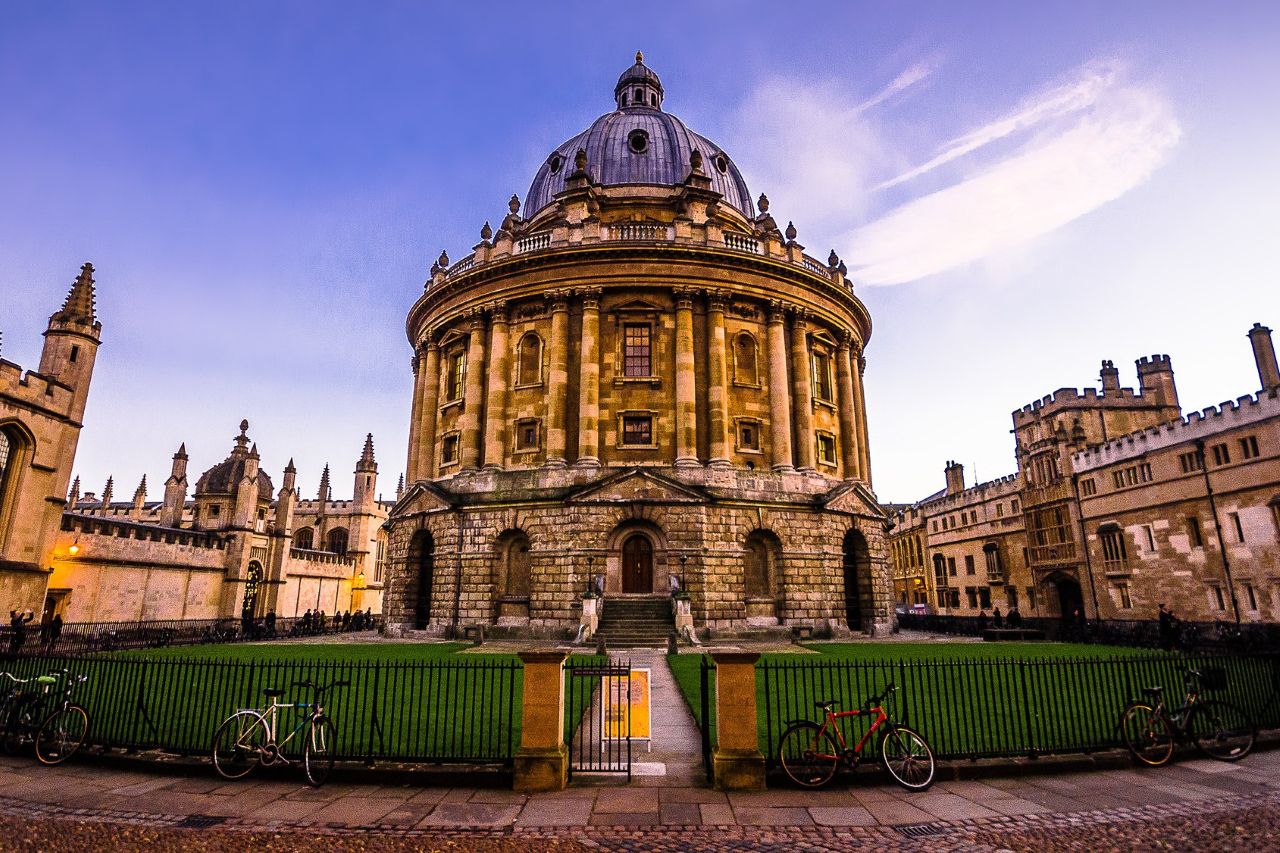

The traditional powerhouses University of Oxford and University of Cambridge have fallen out of the global top three in Engineering & Technology for the first time in recent years, highlighting a shifting landscape in technical education and research.
Massachusetts Institute of Technology (MIT) retained the No. 1 spot with a commanding overall score of 95.9, bolstered by near-perfect marks across key indicators, including academic reputation, employer reputation, citations, and H-index.
Stanford University claimed second place (93.5), while ETH Zurich surged into third (92.7), climbing two positions and underscoring Europe’s strength in applied sciences and innovation.
Oxford dropped to fourth (92.5, down two spots) and Cambridge to fifth (92.3, down one), according to the detailed rankings data.
Both UK institutions continue to post exceptional scores, particularly in academic and employer reputation, but faced stiffer competition in research impact metrics from agile tech-focused leaders.
How the rankings work
The QS methodology for Engineering & Technology weights academic reputation (40%), employer reputation (30%), citations per paper (10%), H-index (10%), and international research network (10%).
The rankings evaluate over 1,500 institutions across 55 narrow subjects and five broad faculty areas, using surveys of academics and employers plus objective research metrics.
The broad faculty area “Engineering & Technology” in the QS World University Rankings by Subject 2026 aggregates performance across several narrow subjects.
These individual subjects are ranked separately but contribute to the overall Engineering & Technology ranking. These subjects include:
- Computer Science & Information Systems
- Data Science and Artificial Intelligence (a relatively newer addition, reflecting growing importance in the field)
- Engineering – Chemical
- Engineering – Civil & Structural
- Engineering – Electrical & Electronic
- Engineering – Mechanical, Aeronautical & Manufacturing
- Engineering – Mineral & Mining
- Engineering – Petroleum
Why Oxford and Cambridge slipped
US powerhouses like MIT and Stanford excel in high-impact publications, industry partnerships, and cutting-edge fields such as AI, data science, and advanced manufacturing.
ETH Zurich benefits from Switzerland’s robust innovation ecosystem, strong industry ties, and excellence in fields like mechanical and electrical engineering.
Oxford and Cambridge maintain elite employer perception but show relatively softer performance in scaled citation and H-index volumes compared to the volume-driven output of top US and select Asian/European peers.
Oxbridge remains an outstanding choice for engineering, especially for those valuing tutorial-style teaching, deep theoretical foundations, and strong UK/European networks.
However, MIT, Stanford, and ETH may appeal more to those targeting Silicon Valley-style entrepreneurship, heavy industry R&D, or specific high-output research environments.