The secret weapon keeping UK high streets alive? A Saturday afternoon kickoff
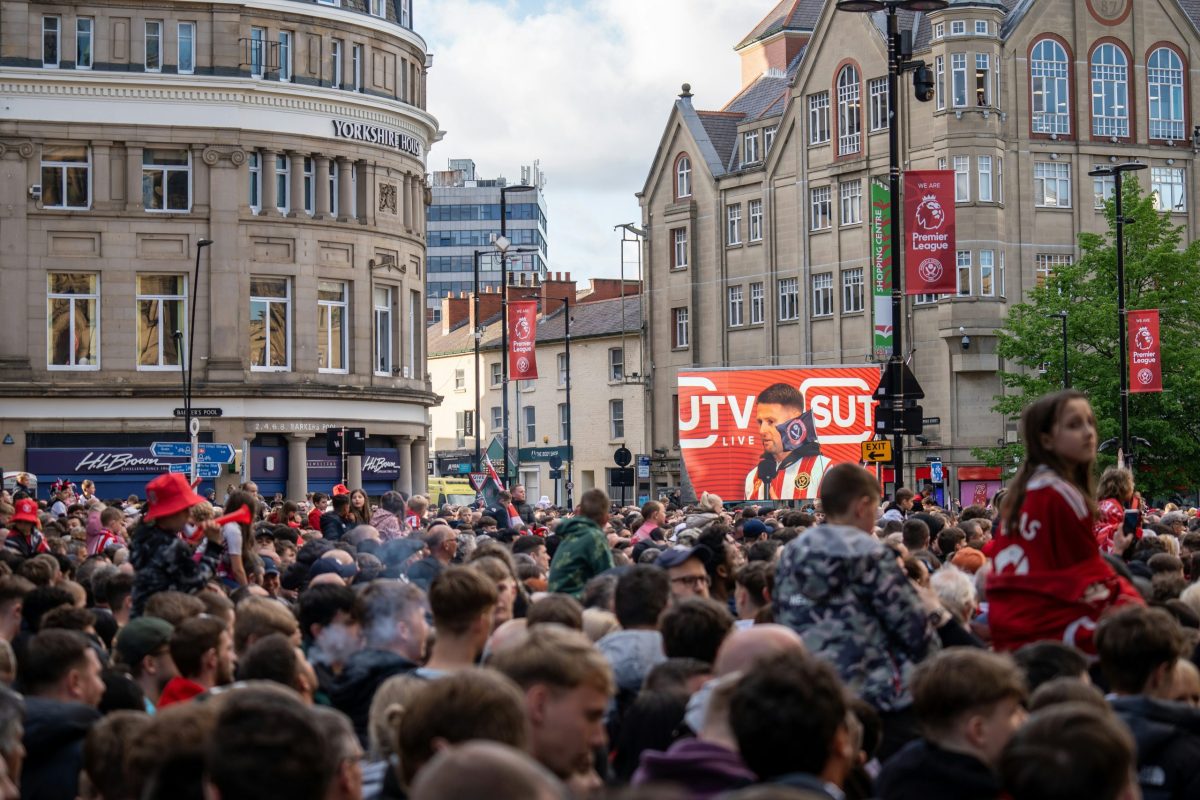

A new report from Barclays reveals that Premier League and Barclays Women’s Super League (BWSL) fixtures generate an estimated £2.3 billion in consumer spending each season across pubs, cafés, restaurants, shops, and transport networks in communities surrounding stadiums.
This figure excludes ticket sales, underscoring the broader ripple effect beyond the turnstiles.
The analysis, based on transaction data, shows that total spending within a 1km radius of stadiums rises by an average of 4.1% on matchdays compared to non-matchdays.
In the North of England, spending jumps by 5.2%, while in the South it’s 3.5%. London clubs see a particularly robust 5.6% increase, compared to 2.8% for those outside the capital.
When the home team wins in the Premier League, the boost climbs even higher, to 5.8%, likely fuelled by celebratory pints and meals that stretch late into the evening. Draws or losses, by contrast, deliver only a negligible 0.1% lift.
An economic superpower
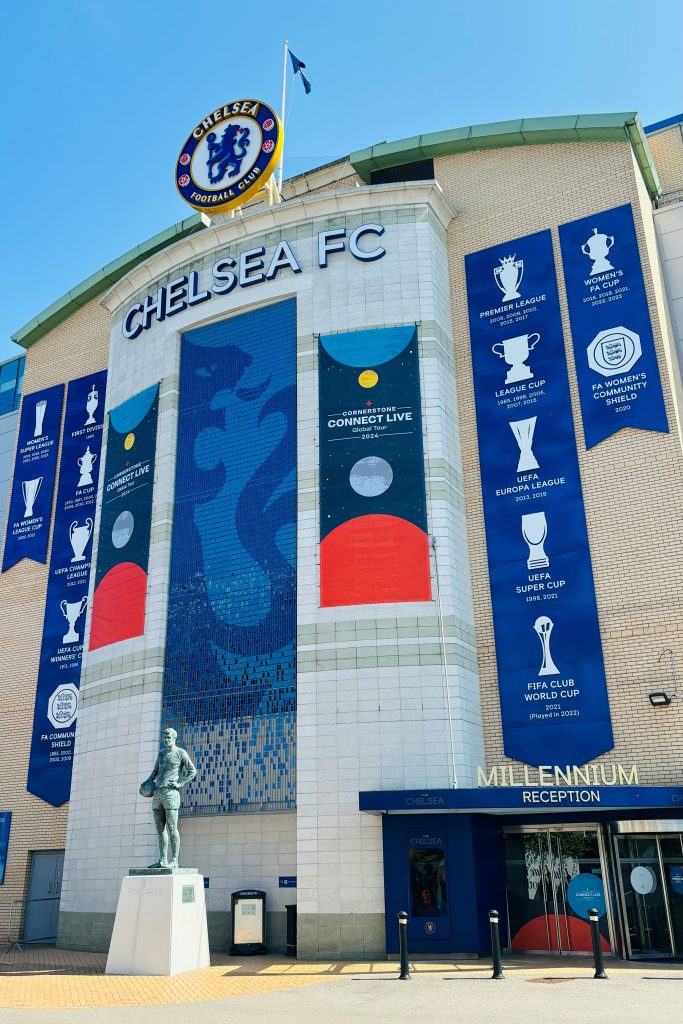
Rich Robinson, Head of Hospitality & Leisure at Barclays, describes football as an “economic superpower” that transforms matchdays into full-day outings.
Fans arrive early for pre-match rituals, pints at the local, and often linger afterwards, whether to commiserate or celebrate.

Business owners near stadiums report even more dramatic impacts. One McDonald’s location near West Ham United’s London Stadium sees sales rise 20-25% on home game days.
Near Tottenham Hotspur Stadium, a restaurant owner notes they “typically double our average daily sales on matchdays.” Another nearby operator highlights how crowds deliver “higher sales and greater brand visibility.”
The report also spotlights growing momentum in women’s football. BWSL fans attend matches an average of four times per season, spending £144.70 per outing (excluding tickets), while Premier League supporters average seven visits and £138 each.
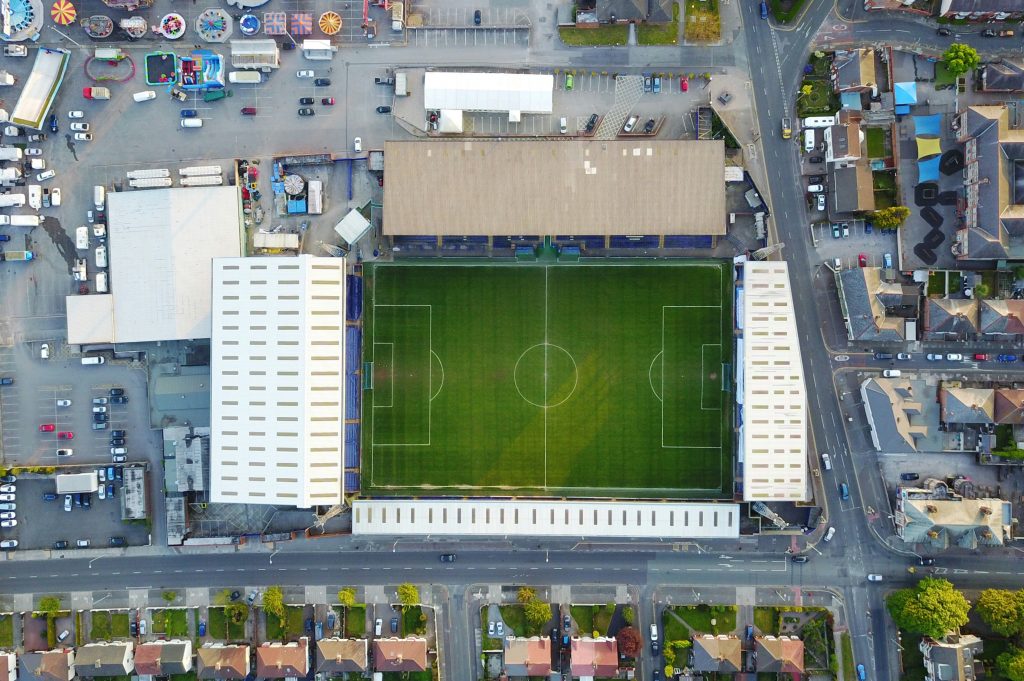
Combined, these events drive £5.7 million in per-match spending for men’s top-flight games and £995,000 for women’s.
More traditional timings, such as the Saturday afternoon kickoff, allow fans to make a full afternoon and evening of it, turning high streets into bustling hubs rather than ghost towns.
As high streets continue to face headwinds from e-commerce giants and changing lifestyles, the data suggests football’s communal pull offers a powerful counterforce.