Metro Bank is opening new stores while every other UK bank closes branches – and it’s paying off
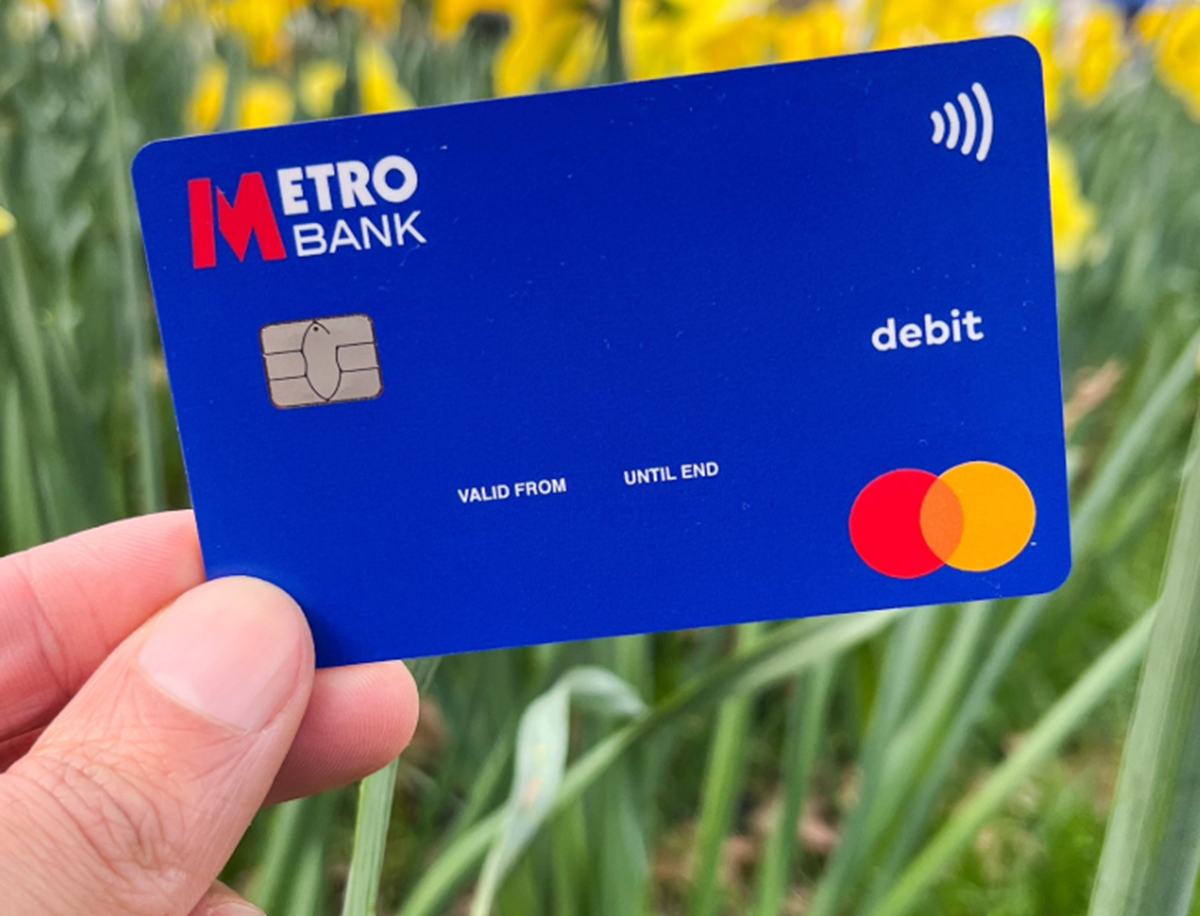

While the UK’s high street banking sector continues its relentless retreat from physical locations, with closures on track to push the total past 7,000 by early 2026, one challenger bank is swimming against the tide.
Metro Bank, the once-troubled lender known for its dog-friendly “stores” and extended hours, is actively expanding its branch network and seeing signs that the contrarian strategy is delivering results.
Consumer group Which? reports that banks and building societies have closed around 53 branches per month on average since 2015. Even as digital banking surges, many customers, particularly older or business users, lament the loss of in-person services.
Metro Bank, however, is bucking this pattern. The lender, which rebranded branches as “stores” to mimic a retail-like experience, has committed to growth rather than retrenchment.
It opened its 77th branch in Salford Quays in late 2025 and followed with new locations in Chester and Gateshead. Plans for additional openings continue, with ambitions previously outlined to potentially grow the network to over 100 branches in the coming years, focused heavily on the North of England.
This expansion stands in sharp contrast to peers. While Lloyds Banking Group (including Halifax and Bank of Scotland) plans dozens more closures, and others like NatWest trim their footprint, Metro Bank has repeatedly confirmed no branch closures are on the horizon.
In some cases, it’s even enhancing services. Selected stores have extended opening hours, with some shifting to 9:30 a.m. to 5 p.m. to better serve customers.
Strong results
The strategy appears to be yielding dividends as part of a broader turnaround under CEO Dan Frumkin. After near-collapse in 2023 – prompting bailouts, job cuts (including a third round of around 100 redundancies in early 2026), and a pivot away from low-margin retail lending – Metro has shifted toward higher-value areas like commercial, SME, and specialist mortgage lending.
The bank has reported swings to profitability in periods, with doubled new lending to business and commercial customers in some halves, stronger underlying profits, and reaffirmed positive outlooks tied to its turnaround actions. Its deposit franchise remains robust, supporting liquidity even as the sector consolidates.
The high street presence – with branches featuring open layouts, friendly staff, and amenities – helps differentiate it in a digital-dominated market. The approach targets relationship banking, particularly with small and medium-sized enterprises in underserved regions like the North, where face-to-face interactions can build loyalty and drive growth.
The bank said that it plans to further streamline operations while investing in physical expansion. This includes leveraging long-term leases on prime locations rather than exiting them.
For a bank that once teetered on the brink, continuing to open doors (literally) while competitors shut theirs is proving a savvy move in rebuilding trust and market share.