
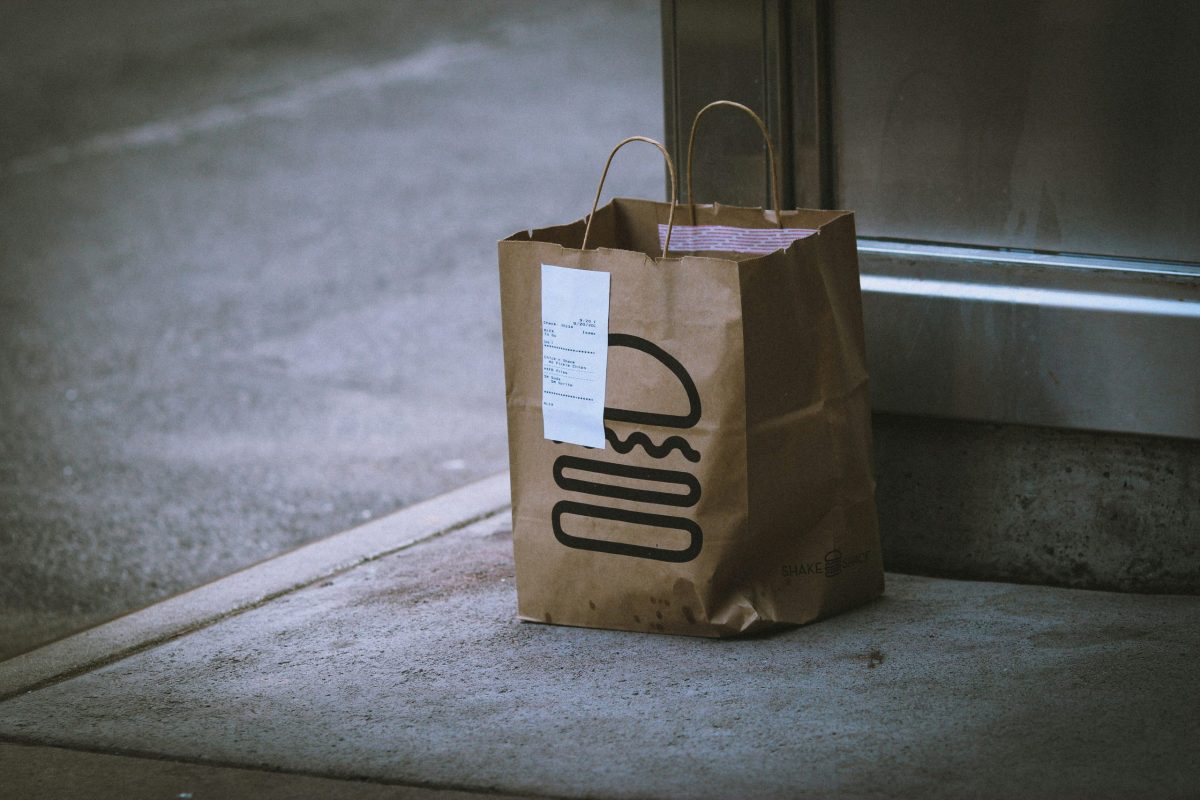
The rise of dark kitchens, also known as ghost or cloud kitchens, has transformed UK food delivery, powering the convenience of apps like Deliveroo, Uber Eats, and Just Eat.
These delivery-only operations, hidden from public view with no dine-in space, now account for one in seven food outlets on major platforms.
Yet behind the seamless ordering experience lies a troubling reality: many struggle with basic food safety compliance, often skipping required registrations, sharing equipment in communal spaces, and facing heightened risks of cross-contamination.
A recent analysis from law firm Browne Jacobson highlights these insurance implications, pointing to systemic issues that put consumers at risk.
Dark kitchens frequently operate under multiple virtual brand names from a single site, leading to duplicated or incomplete registration records with local authorities.
UK law requires food businesses to register with their local council at least 28 days before starting operations, allowing environmental health officers (EHOs) to inspect and assess hygiene standards. However, the invisible nature of these setups, lacking a customer-facing storefront, makes them hard to spot and regulate.
“Many dark kitchens operate without proper registration and do not notify local authorities, making them hard to locate without a public physical premises,” Browne Jacobson said.
This regulatory blind spot is compounded by shared kitchen spaces, where multiple operators use the same equipment, fridges, and preparation areas. Responsibility for cleaning, pest control, and hygiene can become unclear, increasing the chance of cross-contamination, a particular danger for customers with allergies.
Growing safety concerns
Recent academic studies echo these concerns. Research published in 2025 and early 2026, including work funded by the National Institute for Health and Care Research, reveals that EHOs face significant hurdles: resource constraints, kitchens operating under dozens of trading names, inconsistent guidance from bodies like the Food Standards Agency (FSA), and difficulties scheduling inspections due to erratic hours and high staff turnover.
Operators report pressures from fulfilling orders across multiple brands quickly, leading to shortcuts in hygiene protocols and delays in updating allergen information on delivery apps, sometimes taking days for changes to appear.
One study in Food Control detailed challenges like “struggles in maintaining hygiene and cross-contamination risks because of shared resources and conflicts over responsibility for pest control.” Another highlighted how high staff turnover and understaffing contribute to slipping standards in fast-paced, high-throughput environments.
For consumers, the lack of transparency is also highly problematic. Many are unaware that their pizza, burger, or curry comes from a shared “dark” facility rather than a dedicated restaurant kitchen.
This opacity heightens risks of food poisoning, undeclared allergens, or other incidents, especially as the extended supply chain, from preparation to third-party delivery drivers, adds more opportunities for temperature abuse or contamination.
Leave a Reply