The UK is one attack away from empty supermarket shelves
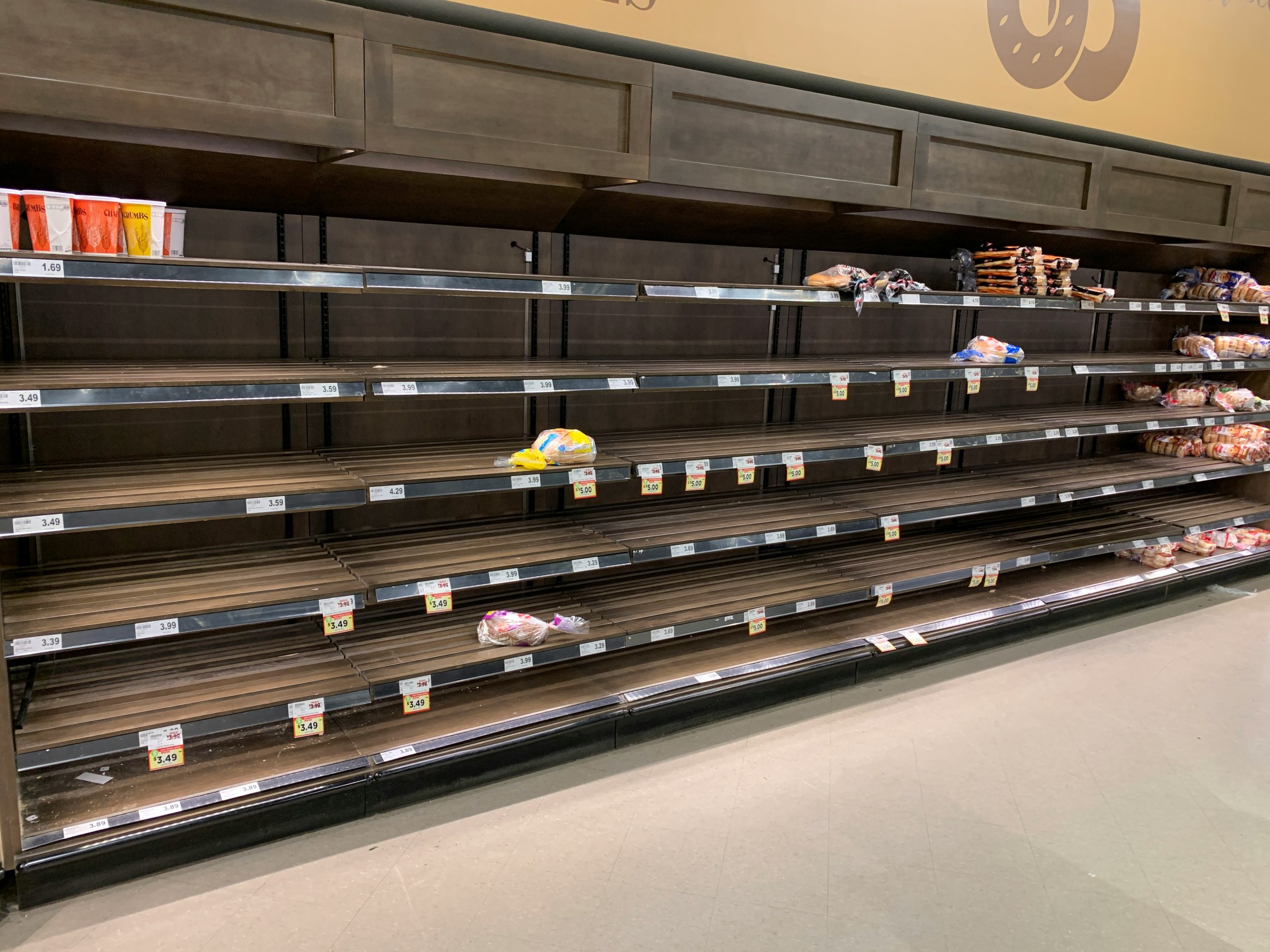

The UK’s food supply chain is a ‘tinderbox’ of vulnerabilities, and a single major disruption – like a cyber-attack, extreme weather event, or international conflict – could trigger widespread shortages, skyrocketing prices, and even civil unrest, according to a new study.
Published in the journal Sustainability, the research paints a stark picture of how chronic issues in the UK’s agri-food system, combined with acute shocks, could lead to empty supermarket shelves and panic buying reminiscent of the early days of the Covid-19 pandemic, but potentially far worse.
Led by Sarah Bridle from the University of York, the study convened 31 experts from academia, government, business, and NGOs through interviews, surveys, and workshops. They used a Delphi process, a structured method for gathering expert consensus, to map out potential crisis pathways and propose solutions.
“The experts highlighted the many existing chronic issues creating a tinderbox for an acute risk to lead to a food crisis in the UK,” the authors write in the abstract. These include climate change, poor policy implementation, rising inequality, food supply chain consolidation, and the risks from just-in-time delivery systems that leave little room for error.
3 potential triggers
The study identifies three key acute triggers that could ignite this powder keg:
- Cyber-attacks: Ransomware or state-sponsored hacks on food suppliers, retailers, or infrastructure could halt operations, leading to spoilage in cold storage or disrupted payments. The researchers cite real-world examples like the 2023 attack on Dole, which forced the company to shut down production, and a 2025 NHS ransomware incident in the UK.
- Major extreme weather events: Climate-driven floods, droughts, or heatwaves could devastate UK crops and livestock while disrupting global imports. The paper references the 2024 UK floods that slashed wheat production by 11%, and the 2022 heatwave that caused excess mortality. Globally correlated events, like droughts affecting Panama Canal shipping, could compound the issue.
- Major new international conflicts: Wars or escalations could block trade routes, impose sanctions, or disrupt exports from key suppliers. The ongoing Ukraine conflict is highlighted as a case study, where energy and food price spikes rippled through global markets, alongside incidents like Red Sea attacks in 2023 that sabotaged shipping.
These triggers aren’t isolated; they could overlap, amplifying their impact. For instance, a cyber-attack during a weather crisis could cripple recovery efforts, leading to a “food availability and/or price shock.”
This, in turn, might spark fear of unsafe or inadequate food, resulting in panic buying, black markets, fraud, and violence, especially in a society already grappling with 18% of households with children facing food insecurity.
Immense fallout
The economic fallout could be immense. The UK’s just-in-time supply chains, optimised for efficiency but fragile to shocks, have already shown cracks during Brexit and COVID-19, with a tenfold increase in emergency food parcels over the past decade.
Businesses in the food sector, from farmers to retailers, face low profitability, digitisation vulnerabilities, and competition for land from carbon sequestration and infrastructure projects.
“The interconnectedness of global food systems means that disruptions can have far-reaching consequences beyond food prices and availability,” the researchers said.
But the study isn’t all doom and gloom. The team prioritised 28 interventions, with seven system-wide ones topping the list to build resilience and sustainability. These include:
- Promoting longer-termism in policy to avoid short-sighted decisions.
- Adopting food systems thinking across government departments to break down silos.
- Strengthening international collaboration to diversify supply chains.
- Creating diverse forums for stakeholder dialogue.
- Developing comprehensive strategies and wargaming exercises to simulate crises.
- Enhancing monitoring and early warning systems.
Pathway-specific fixes include securing digital and physical infrastructure against cyber threats, shifting to regenerative agriculture to combat weather risks, and building energy security through renewables to mitigate conflict impacts.
The authors stress that social dimensions – like trust, mental health, and equity – are crucial, often outweighing technical solutions like blockchain or self-sufficiency, which were deprioritised.
The researchers note that without a holistic view, risks are underestimated. They call for cross-stakeholder action, including community resilience plans, better communications strategies, and policies that treat food as a national security issue.