Starmer resignation fears trigger UK market chaos: Pound plunges as Truss-style crisis looms
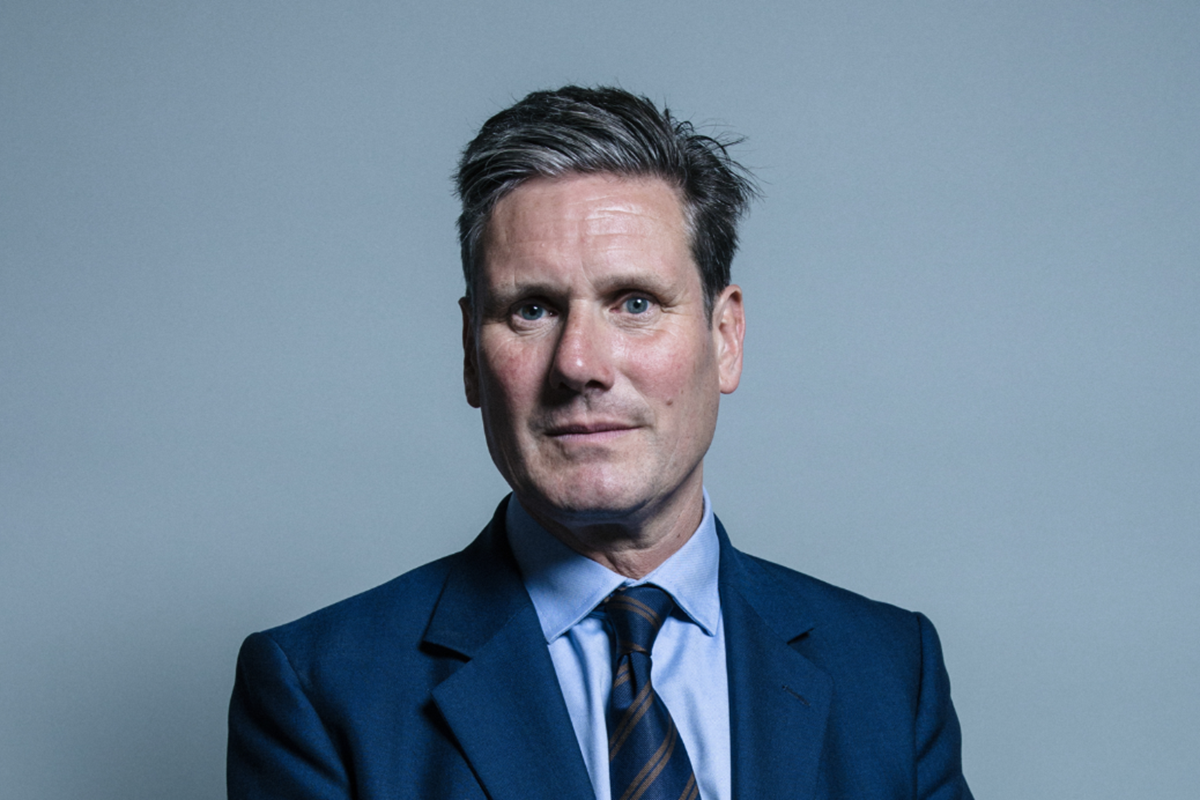

As UK Prime Minister Keir Starmer grapples with the fallout from Peter Mandelson’s Jeffrey Epstein connections, markets are increasingly pricing in his potential ouster, evoking fears of a “Truss-style” bond crisis.
With resignations rocking Downing Street and Labour MPs whispering about a leadership challenge, gilt yields have spiked, the pound has weakened, and investors are demanding higher risk premiums for UK assets.
As Starmer’s grip on power weakens, the scandal threatens to derail the UK’s fragile recovery, with analysts warning of heightened borrowing costs and fiscal instability if a more left-leaning successor takes the helm.
The Mandelson-Epstein scandal: Fuelling Starmer’s leadership crisis
The crisis stems from Starmer’s ill-fated appointment of Peter Mandelson as UK ambassador to the US in December 2024, despite Mandelson’s well-documented ties to Jeffrey Epstein.
Newly released Epstein files, including over 3 million documents from the US Justice Department, have exposed Mandelson’s “deep friendship” with the convicted sex offender, including emails where Mandelson allegedly shared sensitive UK government information during the 2008 financial crisis and received payments totaling $75,000.
Mandelson, a key architect of New Labour under Tony Blair, maintained contact with Epstein post-conviction, sending supportive messages and advising on his release. Starmer has apologised to Epstein’s victims, admitting the appointment was a “grave error” after Mandelson “lied repeatedly” during vetting.
The revelations have led to Mandelson’s sacking in September 2025, his resignation from the House of Lords and Labour Party, and an ongoing police investigation for misconduct, including raids on properties linked to him.
UK police are probing claims of leaked sensitive information, shaking the British establishment to its core. This has been dubbed Britain’s worst political scandal of the century, with CNN noting it as a “scandal the scale of which typically comes around only once in a generation.”
Resignations pile up
The scandal escalated on February 8, 2026, when Starmer’s chief of staff, Morgan McSweeney, resigned, accepting “full responsibility” for the Mandelson appointment.
Communications director Tim Allan followed suit the next day, calling for a new No. 10 team. These exits have left Starmer isolated, with some Labour MPs labelling him a dead man walking and betting markets assigning over 70% odds of his departure by year-end.
Opposition leader Kemi Badenoch has demanded his resignation, accusing him of betraying public trust. Markets are particularly alarmed by the prospect of a Starmer exit, fearing a shift to a “left-leaning top team” that could loosen fiscal discipline, increase borrowing, and spark inflation.
Morningstar economist Grant Slade notes that markets are already pricing in a leadership change due to Starmer’s rampant unpopularity, and ING’s Chris Turner highlights pressure on sterling and gilts amid speculation over changes at No. 10 and 11 Downing Street.
Markets react
UK markets have reacted sharply to the growing likelihood of Starmer’s exit, with the 10-year gilt yield climbing to 4.569% on 9 February, 2026up 5 basis points, amid concerns over political instability.
The yield curve has steepened to its widest since 2018, with the 2-10 year spread hitting over 95 basis points, signalling long-term economic worries.
Gilts underperformed European peers, with yields rising 2-5 basis points across the curve as investors brace for fiscal loosening. The pound sterling slumped 0.7% against the dollar to near two-week lows at $1.36, emerging as the worst-performing G10 currency, driven by political uncertainty and rate cut bets.