Great news for UK renters as prices reach historic turning point
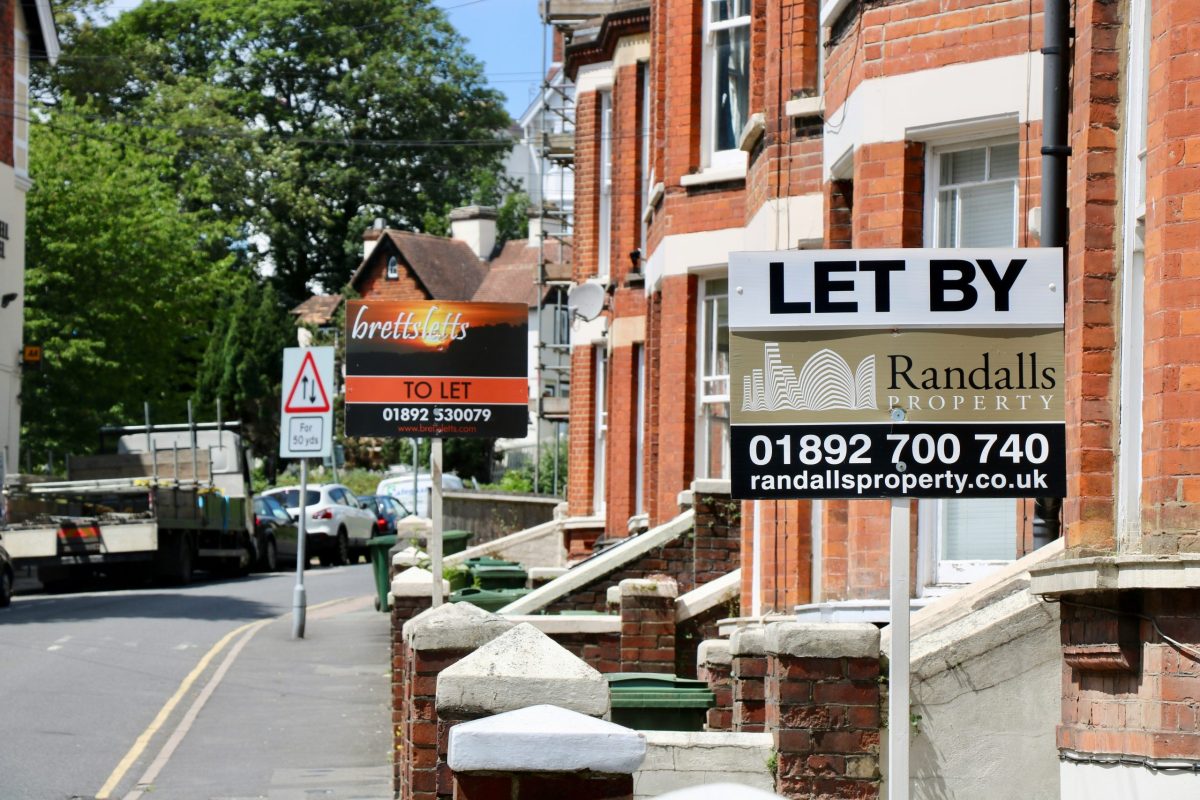

Average rent prices in the UK declined in 2025, marking a significant turning point for the country’s rental market.
For the first time since the Hamptons Lettings Index began in 2011, newly agreed rents in the country ended a year lower than where they started, dipping by 0.7%.
In December, the average tenant moving into a new home was paying £1,371 per month, around £10 less each than they were paying a year earlier for an equivalent property.
Hamptons said the data reflects a broad decline across the country, with London rents leading the decline from the start of the year.
By December 2025, five out of 11 regions in Great Britain had recorded year-on-year falls in newly agreed rents. The year before, none of these regions recorded a decline in rental prices, and in many cases rents were rising at a double-digit rate.
Rental declines were by far the steepest in London, where newly agreed rents fell by £63 per month (2.7%), back to prices last seen in June 2023.
Hamptons also noted that rental price growth was subdued in those areas that did not see declines, including Scotland, the East of England, and the South West, which may point to average rents falling in these regions too over the year ahead.
The data showed a significant increase in the supply of rental stock, although this was more attributed to softer demand from tenants than an increase in landlord purchases.
In fact, buy-to-let investments have continued to fall to record lows, with investors buying 10.9% of properties sold across Great Britain.
Hamptons expects that this decline in average rental prices is unlikely to drive a significant change in behaviour, although the erosion of supply and rising costs may lead to rents increasing over time.
“The next major turning point arrives in May, when the Renters’ Rights Act comes into force,” said Hamptons Head of Research Aneisha Beveridge.
“By banning tenants from offering above the advertised asking rent, the new rules are likely to reshape the relationship between asking and achieved rents.”
“Landlords may respond by setting slightly higher asking prices, while achieved rents could initially rise more slowly as tenants test the higher guide figure,” she said.