How much money Brits plan to spend on holidays in 2026
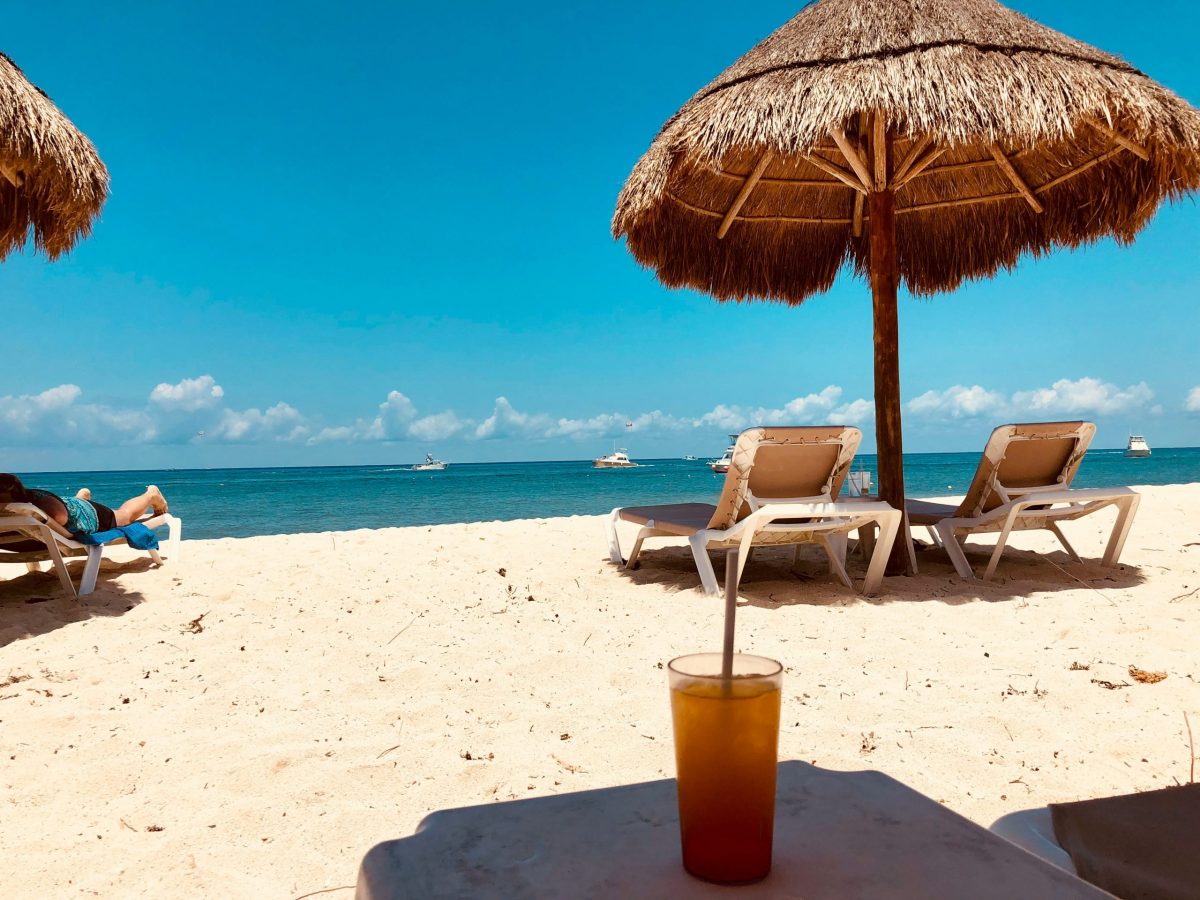

New Nationwide research suggests 2026 will be a year for leisure and travel spending, despite more than half (54%) being concerned about the rising cost of living.
Longer holiday and shorter breaks, festivals, concerts, experiences, and wellness dominate the wish lists of more than four in ten (41%) consumers determined to treat themselves this year amid increasing household bills – from utilities to groceries.
However, while many intend to spend on themselves, more than a quarter (27%) are putting off ‘big’ purchases, such as a new car or large-scale home renovations, while 15% are worried about unexpected expenses.
This suggests a relative shift from material to experiential spending as a way of treating themselves, without being financially overwhelmed. Holidays, concerts, and wellness experiences are invariably more affordable in the short term than buying a car or renovating a home.
To help cut costs and shore up household finances, almost a third (31%) of consumers are planning to cut back spending on eating out, while almost a quarter (24%) plan to cook at home more often to save money.
Over a quarter (26%) will spend less on fashion and clothing, with 24% planning to purchase more second-hand items to save money. Just under a quarter (23%) will reduce spending on ‘sweet treats’ such as coffee, matcha, and pastries.
Expected holiday spending
Travel remains the top priority for 2026 spending, the research shows. Over a third (35%) plan to prioritise booking long trips – typically lasting a week or more, or to a long-haul destination – and short trips such as a weekend city break.
On average, Brits plan to spend an average of £5,517 a year on long trips and £2,348 on short trips. In 2025, easyJet predicted that Brits would spend as much as £3051.90 on their main holiday.
Nearly a quarter (24%) of millennials and zillennials (those aged 25-44) surveyed are planning to spend between £3,000 and £6,000 this year on longer trips, with most spending up to £720 per year on short trips. Among those aged 55-74, many of whom typically have more disposable income available to spend on holidays, 18 per cent are planning to spend more than £12,000 this year.
Experiences: Experiences, including festivals and concerts, are a priority for almost a fifth (19%) of consumers this year, despite rising ticket prices. People are continuing to value seeing their favourite artists perform live, watching sport, and going to festivals such as Latitude and Reading Festival, with almost a third (29%) wanting to experience something new.
The data shows that 14 per cent of Brits plan to spend as much as £1,200 in 2026 on festivals, sports matches, and experiences, with nearly one in five (19%) of millennials and zillennials (aged 25-44) planning to spend up to £100 a month in this area.
Wellness: More than a third (36%) said that living a healthier lifestyle is influencing spending this year, and 14 per cent are concerned about their mental health. This is perhaps why over one in ten (12%) consumers are prioritising spend on wellness, such as gyms, spa treatment,s and therapy, along with 15% of millennials and zillenials (aged 25-44).
Almost a fifth of respondents (19%) will spend between £100-£200 a month on wellness, while 19% of men plan to spend up to £720 per year on looking after their health.