UK scraps jury trials for crimes with up to 3-year sentences
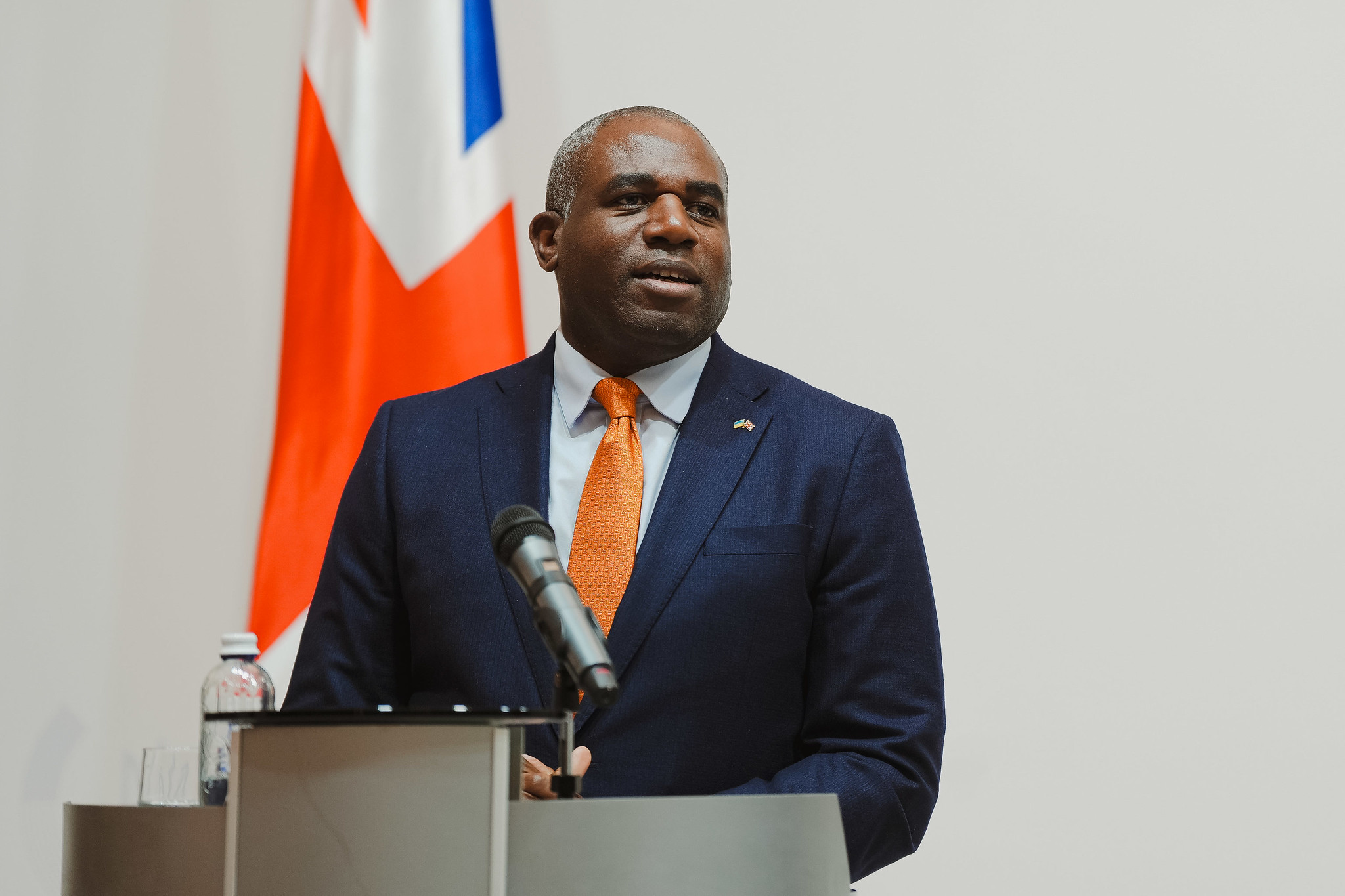

Deputy Prime Minister and Justice Secretary David Lammy has announced that jury trials will be scrapped for crimes which carry sentences less than three years.
Speaking to Parliament on Tuesday 2 December, Lammy said that this change forms part of a wider, sweeping reform of the justice system aimed at improving efficiency and reducing the growing case load and backlog weighing down the UK’s courts.
“Investment is not enough. The case load is projected to reach 100,000 by 2028 and without fundamental change could keep rising, meaning justice will be denied to more victims and trust in the system will collapse,” Lammy said.
“To avoid that disaster, I will follow Sir Brian’s bold blueprint for change.”
“I will create new swift courts within the Crown Court, with the judge alone deciding verdicts in triable either-way cases with a likely verdict of three years or less,” he said.
Lammy noted that according to Sir Brian Leveson’s report, this could result in justice being delivered about 20% faster than jury trials with more transparent accounts of reasoning behind verdicts.
The report examined the state of the UK’s criminal courts and recommended reforms to address the growing backlog of cases.
While it was previously rumoured that Lammy was considering ending jury trials for crimes with sentences of up to five years, the Justice Secretary appears to have slightly pulled back the scope of his planned reforms.
Serious crimes such as murder, robbery, and rape will still be subject to a trial by jury, and volunteer community magistrates will likely take on more work to help address the backlog of criminal cases.
Lammy also announced today that £550 million would be invested over the next three years into specialist services that offer practical and emotional support to victims and witnesses, such as counselling and advice on attending court.
He said that the government will continue to invest in the courts system so judges can continue to increase the number of sitting days throughout this Parliament.