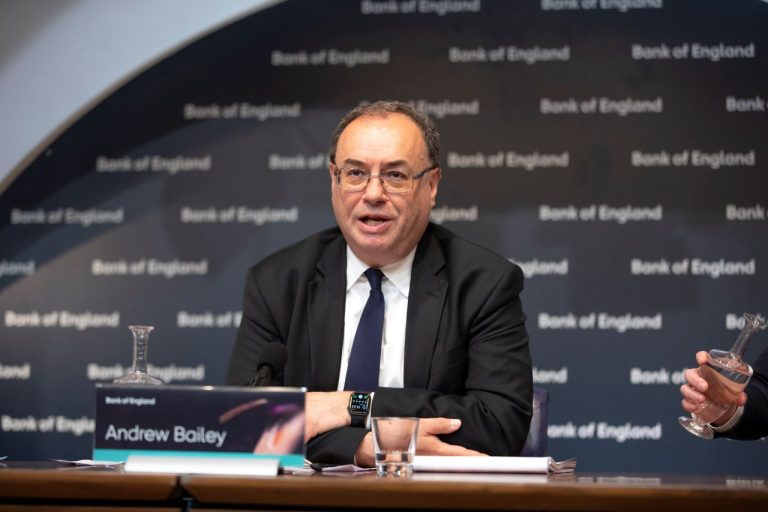
What to expect from the UK’s interest rate decision this week – and the rest of this year


The UK’s inflation figures published on Wednesday showed headline CPI rising by 3.4% in the year to May. Core inflation, which strips out energy and food, now stands at 3.5%, continuing to ease, and providing the Bank of England with a mixed picture ahead of its rate decision tomorrow.
This is the view of Richard Carter (Head of Fixed Interest Research at Quilter Cheviot), who notes that while inflation has steadily declined from its double-digit peak, today’s data reinforces just how tricky the final stretch of disinflation can be.
“Price pressures in the services sector remain elevated but have slightly cooled from 5.4% to 4.7%. But geopolitical tensions in the Middle East could inject further volatility into the path ahead,” he said.
Data integrity issues, such as the recent 0.1 percentage point overstatement in April’s estimate due to vehicle tax misreporting, have also heightened uncertainty regarding the reliability of key indicators, said Carter.
“The Bank of England is widely expected to keep interest rates on hold this week, regardless of today’s inflation print. The situation in the Middle East and its potential to drive further energy-related inflation means policymakers will be wary of cutting rates too soon. Greater clarity on the inflation outlook will be needed before the Bank feels confident enough to make its first move.
“Markets are still pencilling in a rate cut in August, but if inflation proves stubborn or global risks intensify, the Bank may be forced to wait. For investors and households alike, this period is a reminder that we are not out of the woods just yet.”
Not out of the woods
These concerns were echoed by Anna Leach (Chief Economist at the Institute of Directors), who noted that here were few surprises in today’s inflation data, as the impact of the OfGem price cap rise, other regulated price increases and the passthrough from higher employment costs continues to keep inflation outside the target range.
Inflation is expected to remain elevated in the months ahead due to these factors. Meanwhile, volatility in transport data, exacerbated by an error in the VED data, has unwound this month, and services inflation has fallen back in line with the Bank of England’s expectations.
“Price expectations amongst businesses and households remain uncomfortably high, but downside risks to growth are increasing. Despite some recovery, the overall confidence of business leaders in the economy remains significantly down on a year ago following a damaging Budget for business and a sharp rise in tariff uncertainty,” she said.
“A chunky decline in goods trade with the US in April underscores the UK’s exposure to trade risk. Meanwhile, developments in the Middle East are driving volatility in oil prices, which may prove inflationary.”
Leach added that MPC has a difficult balance to strike in guiding inflation down to target sustainably, and odds remain for a hold in the forthcoming MPC decision.