UK inflation spikes to highest level in a year


The UK inflation rate rose to 3.5% in April, following a rise in household bills last month, the Office for National Statistics said on Wednesday 21 May.
On a monthly basis, CPI rose by 1.2% in April 2025, compared with a rise of 0.3% in April 2024, the statistics body said. The Consumer Prices Index including owner occupiers’ housing costs (CPIH) rose by 4.1% in the 12 months to April 2025, up from 3.4% in the 12 months to March.
It added that the biggest upward contributions to the increase came from housing and household services, transport, and recreation and culture. By comparison, the largest, partially offsetting, downward contribution came from clothing and footwear.
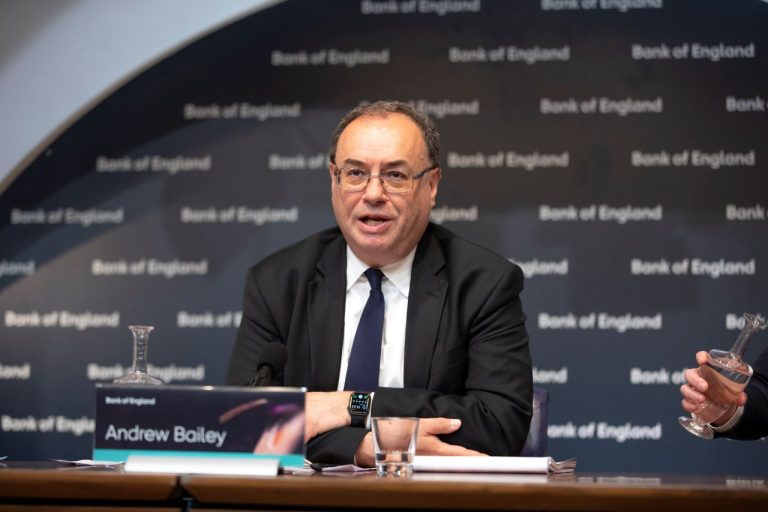
The increase means that the pace of inflation is at its highest since February last year. The Bank of England has previously indicated that it expects inflation to rise to around 3.7% between July and September 2025 before dropping back to its 2% target later in the year.
Big increase in bills
The rise in the annual rate reflected large upward effects from gas and electricity, which resulted from the raising of the Office of Gas and Electricity Markets (Ofgem) energy price cap in April 2025.
Ofgem estimated that for an average household paying by direct debit for dual fuel, this equates to £1,849, a rise of £111 over the course of a year.
Prices of electricity, gas and other fuels rose by 6.7% in the year to April 2025. Gas prices rose by 7.5% on the month, compared with a fall of 15.8% a year ago. Electricity prices rose by 2.9%, compared with a fall of 10.2% a year ago.
Prices of water and sewerage rose by 26.1% in the month to April 2025 compared with a rise of 8.1% a year ago. This is the largest rise since at least February 1988.
Partially offsetting the upward contributions was a small downward effect from owner occupiers’ housing (OOH) costs, which rose by 6.9% in the year to April 2025, compared with a rise of 7.2% in the year to March.
Explainer – The 2% target rate
To keep inflation low and stable, the Government sets the Bank of England an inflation target of 2%. This helps everyone plan for the future.
If inflation is too high or moves around a lot, it’s hard for businesses to set the right prices and for people to plan their spending. But if inflation is too low, or negative, then some people may put off spending because they expect prices to fall.
Although lower prices sound like a good thing, if everybody reduced their spending, then companies could fail and people might lose their jobs.