Young UK investors now trust AI more than TV, radio or the press

Key Points
- FCA research finds 56% of UK investors aged 18-40 trust AI tools, above TV and radio (47%) and press (46%).
- Four in five less experienced investors have used AI for investing help; two-thirds expect to use it more.
- 44% wrongly believe AI-generated financial information is regulated.
- 32% wrongly expect FSCS or FOS compensation if AI-led advice goes wrong.
- General purpose chatbots fall outside the FCA's remit, leaving no complaints or compensation route.
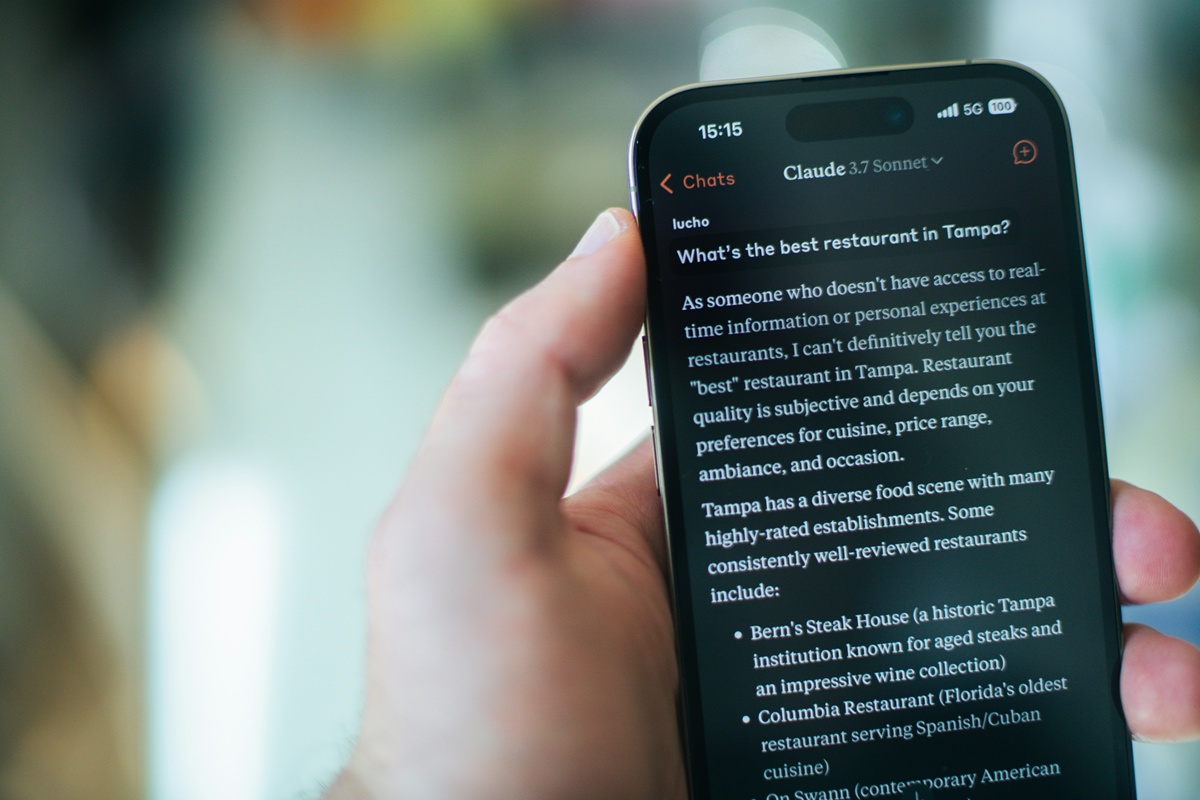
Young UK investors trust AI more than television, radio or the press, new Financial Conduct Authority research shows.
The regulator surveyed 666 UK adults aged 18 to 40 on 24 July 2026, all of whom either hold investments or would consider buying them within the next 12 months.
Among that group, 56% said they trust AI tools, ahead of TV and radio on 47%, the press on 46% and social media influencers on 29%.
Four in five less experienced investors have already used AI for help with investing, and around two-thirds do so occasionally or regularly.
Two-thirds expect to lean on the technology even more over the coming year.
The AI is getting it wrong
The same research found large gaps in what these investors think AI actually gives them.
Almost half, 44%, mistakenly believe AI-generated financial information falls under regulation.
More than one in three, 38%, think it is fine to make an investment decision based solely on what an AI tool tells them.
Around a third, 32%, wrongly assume the Financial Services Compensation Scheme or the Financial Ombudsman Service would pay out if AI-led advice went wrong.
General purpose chatbots sit outside the FCA’s remit entirely, though a tool built specifically to give financial advice would most likely fall within it.
That means no compensation route and no complaints process if a chatbot steers you into a loss.
Awareness of the technology’s limits is higher elsewhere in the findings, with 73% recognising that AI can produce inaccurate information and 86% understanding the need to check the sources it cites.
“AI can help you research companies, understand jargon or explore options before you make a decision,” said Lucy Castledine, Director of Consumer Investments at the FCA.
“But you need to understand how you’re protected and continue to use your own judgement. Our InvestSmart website can also help you make more informed decisions.”
The FCA points investors towards keeping the final call in their own hands, verifying sources independently, and treating historical data as no guide to future returns.
What people are using it for
Separate research from wealth manager Quilter, carried out by Boring Money among 2,002 UK adults with £50,000 or more in savings and investments, found 67% are comfortable using AI to support financial decision-making.
Most of that use is informational, with 42% comfortable using AI to explain financial concepts, 40% to understand tax rules and 29% to sense-check their own thinking.
More than one in five, 22%, already feed personal information into AI tools to get more tailored suggestions, rising to 37% among the under-45s.
“AI does have the potential to be transformative for a number of people, although personalised, and regulated, financial advice from a human is still likely to result in the most positive outcome for consumers, especially when there are big decisions to be made,” said Sam Christopher, Proposition Director at Quilter.
Christopher warned against handing over bank account details, passwords, security information or home addresses to chatbots, noting that most useful prompts can be built without them.