Loud music and vaping blamed for declining bus usage in London
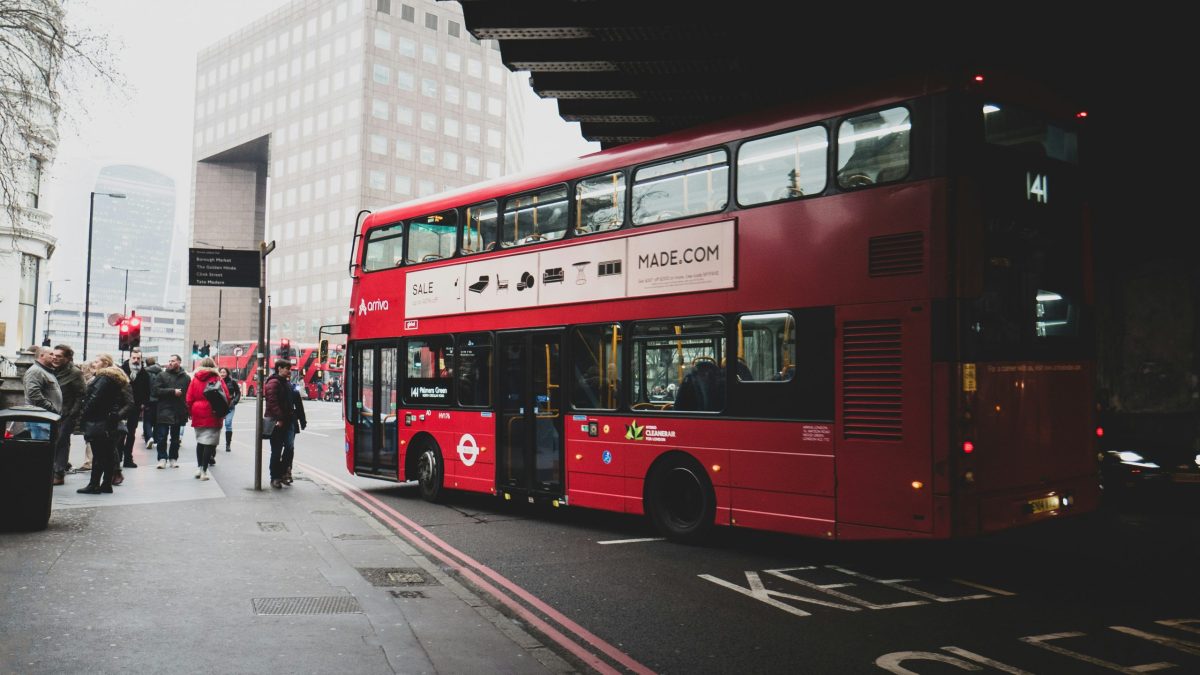

The number of people taking the bus in London is on the decline, a fact which the Shadow Secretary for Transport has attributed to antisocial behaviour, including loud music, vaping, and rowdy behaviour.
In an essay for the Conservative Environment Network (CEN), Conservative MP Richard Holden, who was appointed Shadow Transport Secretary by Kemi Badenoch last year, has pointed to rising fares and antisocial behaviour as the causes for the decline in bus passengers in London in recent years.
In its latest quarterly report, Transport for London (TfL) recorded 1,781 million total bus journeys, a 3% decline compared to the year before. This continues a trend since 2023/24 of lower-than-budged journeys.
This reduced demand led to passenger income falling short of expectations, with bus journeys bringing in £13 million less than TfL expected.
To address this falling demand for buses, the company is improving the accessibility of bus shelters, and working to improve journey times, which it has identified as a pain point for customers.
Holden, however, argues that the reason people in London are taking the bus less is that fares have risen, timing has become unpredictable, and antisocial behaviour has gone unchecked, making people uncomfortable.
“Under the current Government, fares are rising again, while reported incidents of anti-social behaviour
increased by 24 percent from 2024 to 2025 compared with the previous year,” Holden said.
“More often than not, this is not serious criminality, but rather the irritation caused by loud music, vaping, and rowdy, inconsiderate behaviour, such as putting shoes on seats, all of which erode passengers’ sense of comfort and security.”
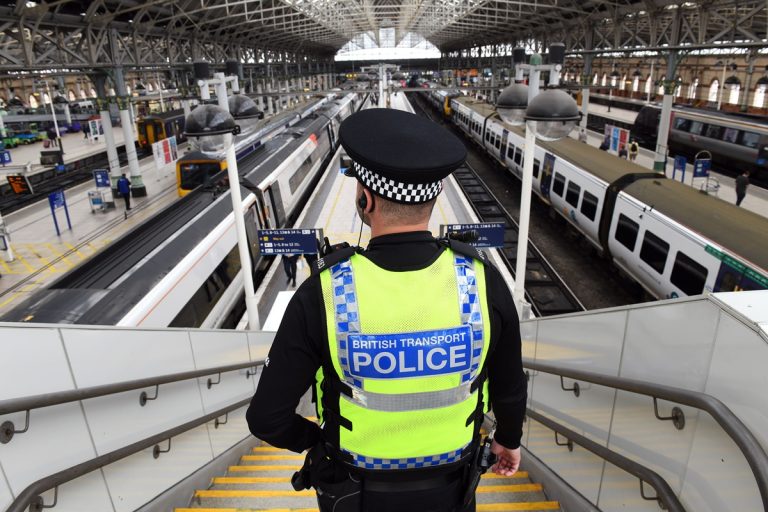
Holden called for TfL to bring more enforcement to its bus service, including the deployment of CCTV cameras, to crack down on anti-social behaviour and improve the passenger experience.
He also pointed to the introduction of the £2 fare cap introduced under the Conservative government, and said the government should look at a similar method of making pricing simple and predictable.
“Ultimately, fixing our bus networks is about restoring confidence in everyday public services,” he said.
“Passengers do not ask who owns the bus. They ask whether it turns up, whether it feels safe and clean, and whether it gets them where they need to go on time.”
This summer, Mayor of London Sadiq Khan announced he would extended the freeze on bus and tram fares while also launching a Weekend Hopper fare over the school holidays.
This Weekend Hopper fare allows anyone travelling on buses and trams on a Saturday or a Sunday during the summer holidays to pay one single fare for unlimited journeys across London that entire day.
After 1 November 2026, adult bus and tram fares will increase by 10p to £1.85, and the daily cap will increase to £5.55.