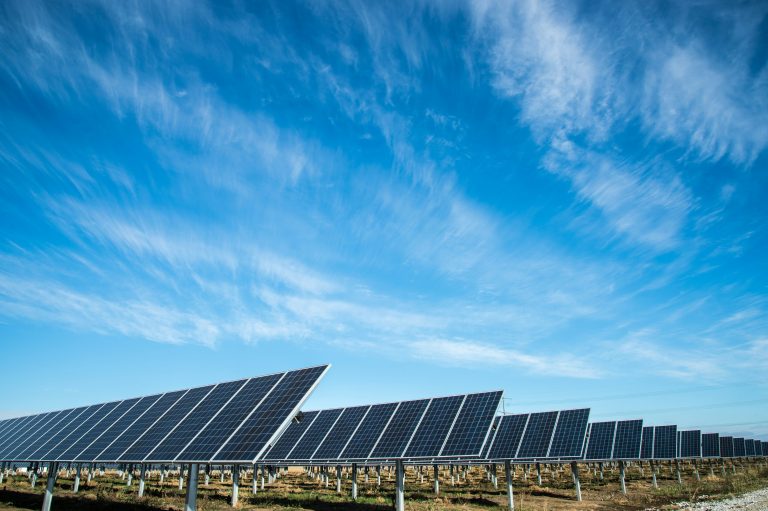
Massive new solar farm approved for the UK – enough to power 200,000 homes

Key Points
- One Earth Solar Farm is set to be the UK's second-largest solar farm.
- Approved by the government on 8 July 2026, its developer says it could generate enough electricity to power more than 200,000 homes a year.
- It is the 30th nationally significant clean energy project approved since July 2024.
The government has approved the UK’s second largest solar farm, a project its developer says could generate enough electricity to power more than 200,000 homes a year.
One Earth Solar Farm was granted consent on Wednesday (8 July), by the Department for Energy Security and Net Zero. The developer says its output would be equivalent to powering half the homes in Lincolnshire.
Solar is one of the cheapest forms of power available, and building more of it in Britain reduces exposure to volatile international gas prices, which remain the biggest driver of energy bills.
Ministers pointed to instability from Ukraine to the war in Iran as evidence of the cost of relying on fossil fuel markets the UK does not control.
The approval is the 30th nationally significant clean energy project consented since July 2024. The government says these projects together represent enough clean energy to power the equivalent of more than 19 million homes.
It follows the approval of the Peartree Hill and Dean Moor solar farms last week.
Energy Secretary Ed Miliband said the only way to deliver energy security is through a pro-growth approach to building more clean energy in Britain, adding that this is exactly what the government has done for two years.
Speeding up planning
The decision lands alongside a wider push to speed up how quickly projects like this get built. Last week, the government confirmed planning reforms that scrap mandatory pre-application consultation requirements for major infrastructure projects.
The changes, delivered through the Planning and Infrastructure Act, come into effect later this month and are expected to cut up to 12 months from the planning process, with a potential £1 billion saving for industry this Parliament.
Solar is also increasingly showing up on rooftops as well as in fields. Government data published last month showed 2025 was the strongest year on record for solar deployment, with 269,000 installations completed across the UK.
Ministers have also set out plans to roll out plug-in solar kits in UK stores and to require all new homes in England to be built with solar panels as standard, moves aimed at cutting bills for individual households directly.
One Earth Solar Farm’s developer can now move to the next stage of the project, including meeting any planning requirements attached to the consent order before construction begins.
The government said the decision followed a rigorous planning process that considered impacts on local communities, land use and the environment, noting that solar farms occupy a small proportion of agricultural land.