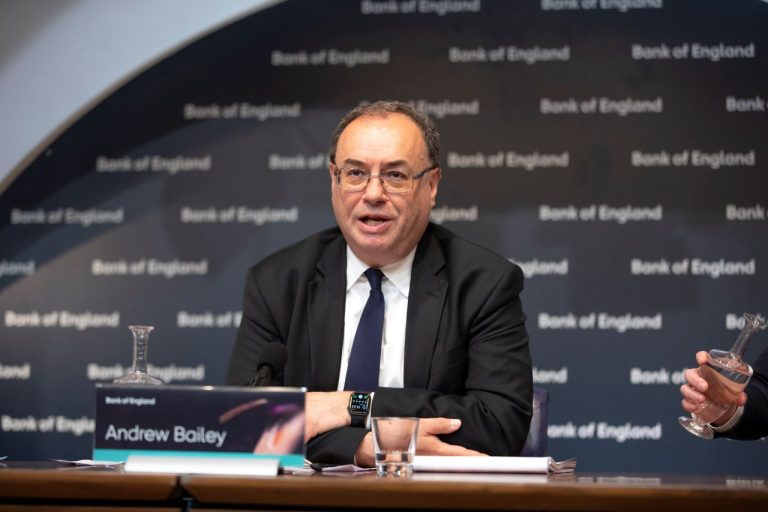
HMRC set to gain powers to recover tax debts directly from bank accounts


Key Points
- HMRC could gain powers to recover unpaid tax directly from the bank accounts of customers who refuse to pay.
- The proposals, launched on 23 June 2026, target lower value debts from people who can pay but have not responded to HMRC contact.
- More than 750,000 such debts worth over £2 billion remain uncollected each year after nine months and over ten contact attempts.
- HMRC would collect debts directly from accounts in regular instalments, supported by safeguards.
- The measure forms part of a wider government package to strengthen tax compliance.
HMRC could be handed expanded powers to recover unpaid tax directly from the bank accounts of customers who refuse to pay, under proposals launched by the government on Tuesday (23 June).
The consultation sets out plans to extend existing powers to enable the recovery of lower-value tax debts from individuals who can afford to pay but have not responded to repeated contact from HMRC.
Under the proposals, the tax authority would be able to collect debts directly from customers’ accounts in regular instalments.
The government said that each year more than 750,000 such debts, collectively worth over £2 billion, remain uncollected after nine months and more than ten attempts to contact customers to pay what they owe.
HMRC said the power would be accompanied by a comprehensive suite of safeguards intended to ensure it is used fairly and proportionately.

The Treasury argued the measure would help ensure those who can pay their tax debts do so, while maintaining trust and fairness in the system for the majority of taxpayers who meet their obligations.
The proposal forms part of a broader package of tax and customs measures aimed at strengthening compliance and improving HMRC’s ability to collect tax that is owed.
Other compliance measures announced the same day include a consultation on making online marketplaces liable for VAT on UK and overseas business sales, and a consultation on software standards to tackle electronic sales suppression.
The consultation on lower value debt recovery is now open.